Overview
The Rat Terrier is an American farm dog and hunting partner, related to the small hunting dogs known as feists. It was common on family farms in the 1920s and 1930s and is now considered a rare breed.
It is a bright, busy dog that is happiest with a job and plenty of company. Sizes vary, from miniature to standard.
History
Rat Terriers grew out of several terrier and hound-type dogs brought together on American farms to control rats and other pests and to help with hunting. Regular outcrossing through the years produced a tough, adaptable dog.
The United Kennel Club recognised the breed on 1 January 1999, and the American Kennel Club followed on 1 July 2010, though it allowed Rat Terriers into companion events from 2006.
Appearance
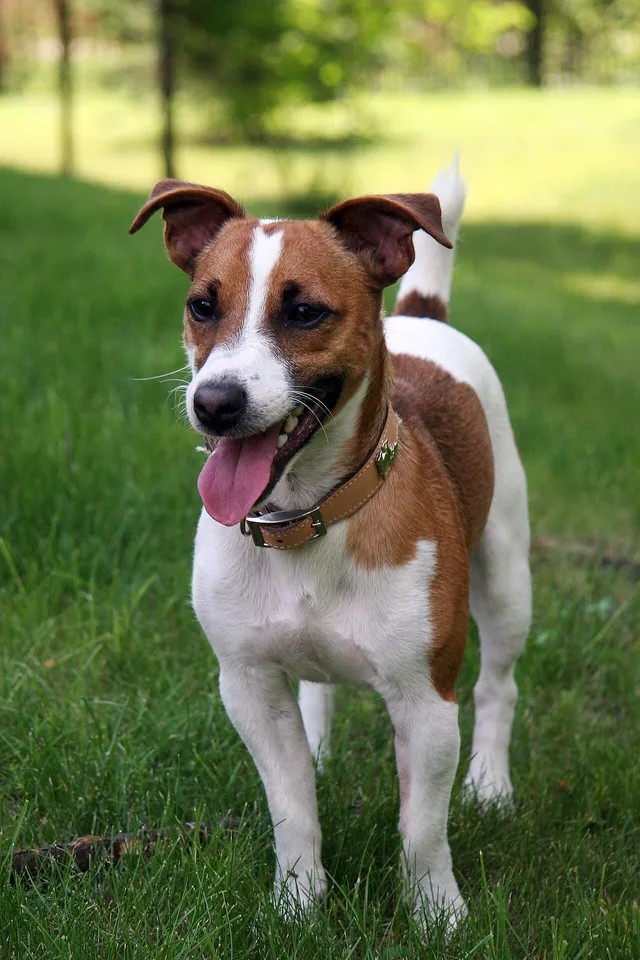
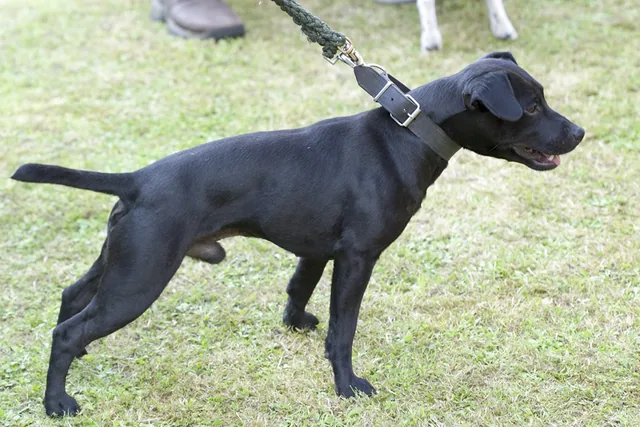
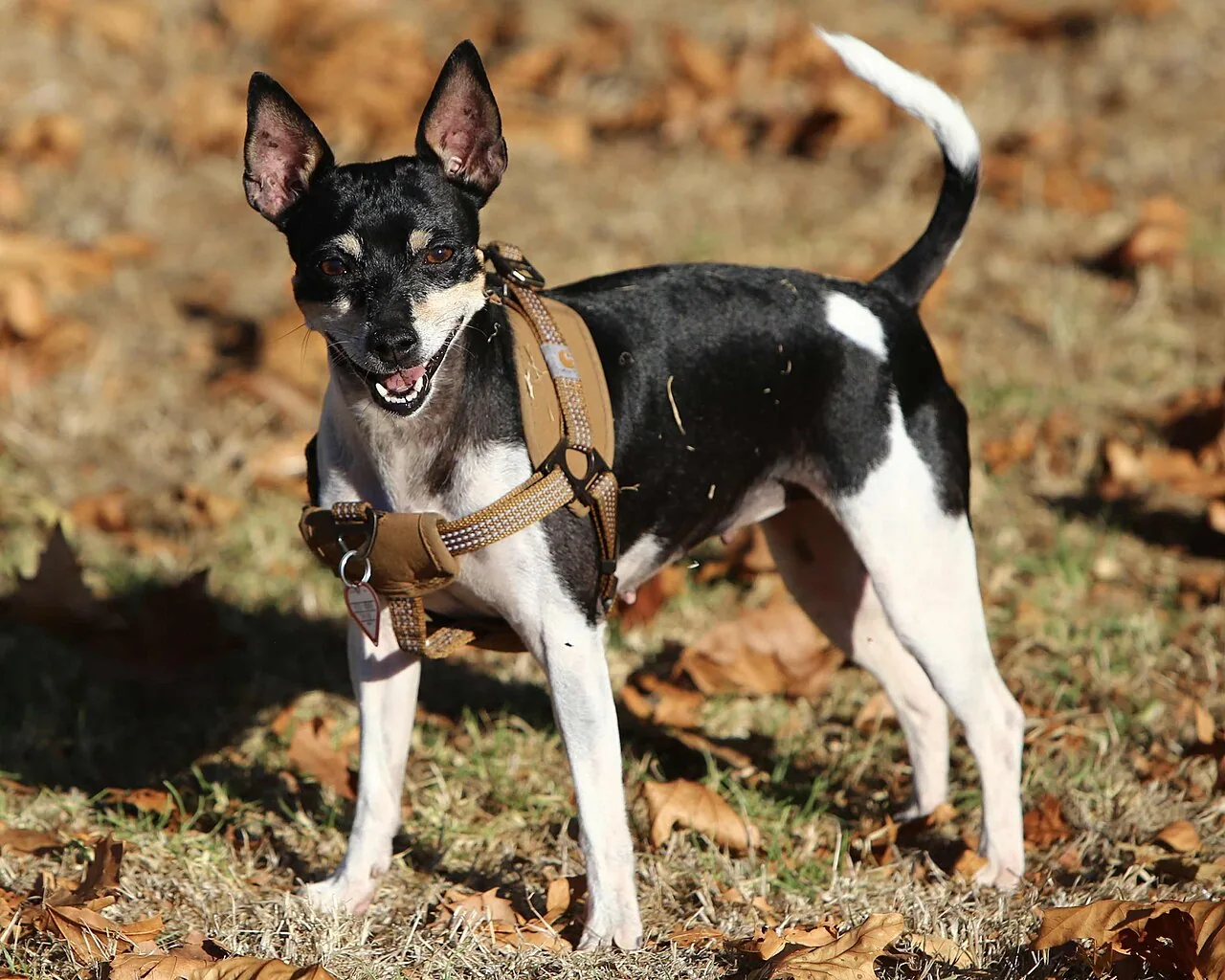
A compact, muscular, well-balanced small terrier with a wedge-shaped head and erect or semi-erect ears. Sizes range from a miniature up to a standard of roughly 33 to 46 cm.
The coat is short and glossy and comes in many colour patterns, usually with white.
Temperament
Rat Terriers are quick, curious and affectionate, and they like to be near their people. They are playful and usually good with considerate children.
The hunting instinct is strong, so small pets and wildlife may be chased. They can be vocal and willing diggers, but they learn fast and enjoy training games.
Care and exercise
These dogs need daily walks, play and mental work, and they excel at agility, scent games and earthdog-style activities. A securely fenced yard is important because they chase anything that moves.
Grooming is minimal: an occasional brush and routine nail, ear and teeth care.
Health
Generally hardy thanks to outcrossing. Health screening is recommended for patellar luxation, heart abnormalities, pancreatic issues, hip dysplasia and Legg-Calvé-Perthes disease.