Overview
The Kurdish Mastiff is a traditional guardian dog of the mountainous Kurdistan Region of Iraq. It is especially associated with the Pişder area near Sulaymaniyah and is found in only a few thousand animals.
It is often compared with Turkish guardians such as the Kangal and the Akbash. It is a working dog shaped by its job rather than a show breed.
History
The dog has lived beside Kurdish shepherds for generations, guarding flocks against wolves and other predators. A nineteenth-century veterinary writer described a mastiff-like dog of Kurdistan, prized by its owners, almost sacred, and tawny in colour.
It has never been developed to a written standard, and it remains a regional landrace.
Appearance
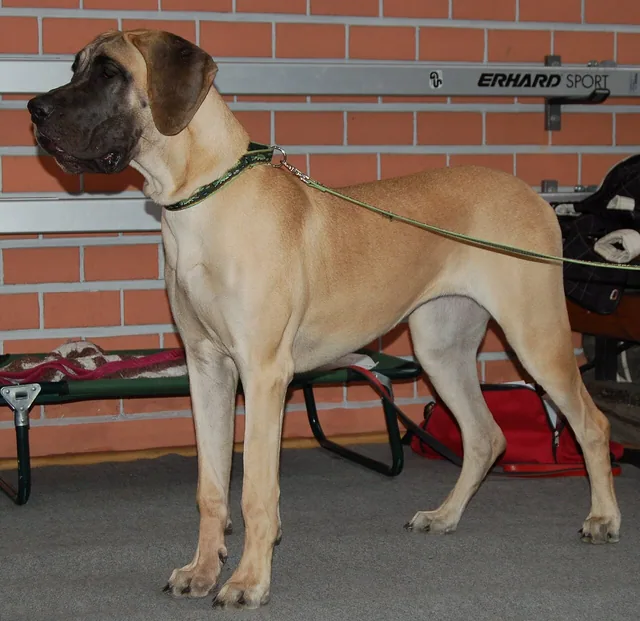
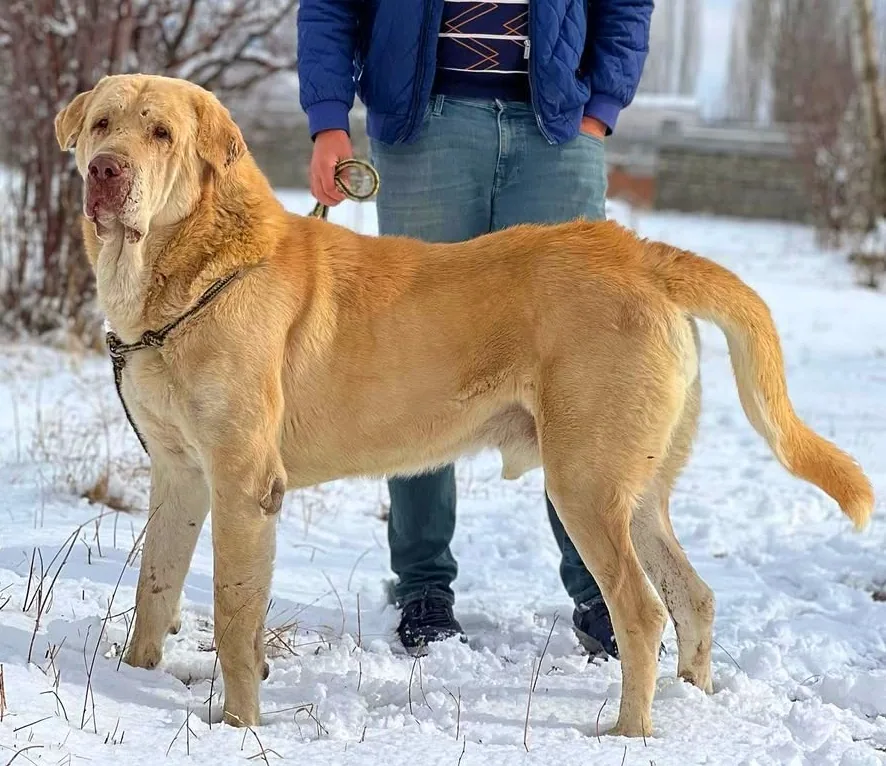
A tall, ponderous and well-proportioned dog with a large head and a long tail. Adults are very heavy, averaging around 73 kg and sometimes reaching 80 kg, with a body length of about 75 cm.
Older accounts describe the colour as mainly tawny.
Temperament
This is a serious guardian, bonded to its shepherd and wary of strangers. Historically it was described as fierce toward outsiders and unwilling to adapt well to a change of country and surroundings.
Care and exercise
It needs plenty of space, strong fencing, and an experienced owner who understands guardian dogs. It is not a pet for flats or city life. Early socialisation, firm and fair handling and regular feeding of a large dog are essential.