Overview
The Harrier is a medium-sized scenthound used since the mid-13th century to hunt hares by trailing them. It looks like a slightly smaller English Foxhound but is larger than a Beagle.
It is a happy, easygoing pack dog that enjoys company, and it adapts well to ordinary family life as long as it gets enough activity.
History
The origins of the Harrier are debated. Some accounts point to crosses of early hounds with the Bloodhound and Talbot Hound, others to Foxhound crosses with the Fox Terrier and Greyhound, and others simply to a scaled-down Foxhound.
It has long been a working pack dog in England and is still the hound most used by hunts in Ireland. Numbers fell sharply in the twentieth century and the UK Kennel Club withdrew recognition in the 1970s, but the breed was recognised again in 2020 and returned to the show ring.
Appearance
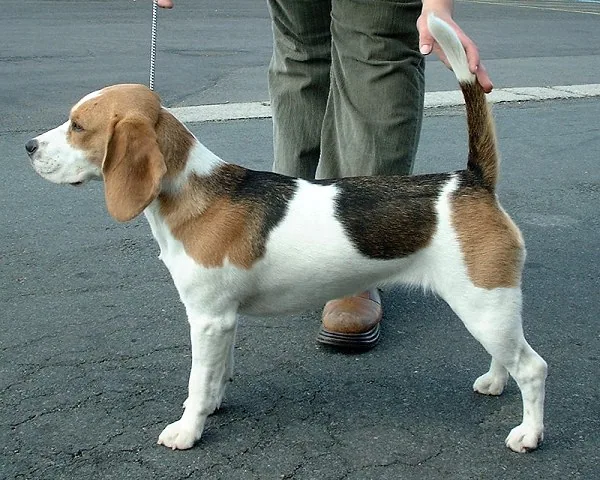
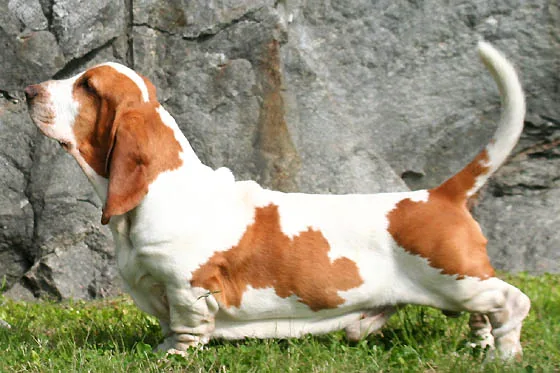
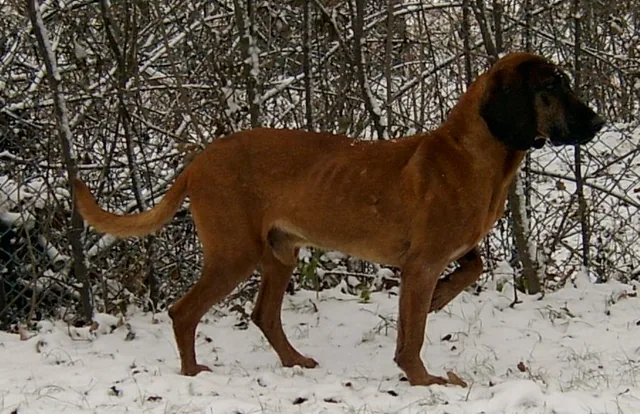
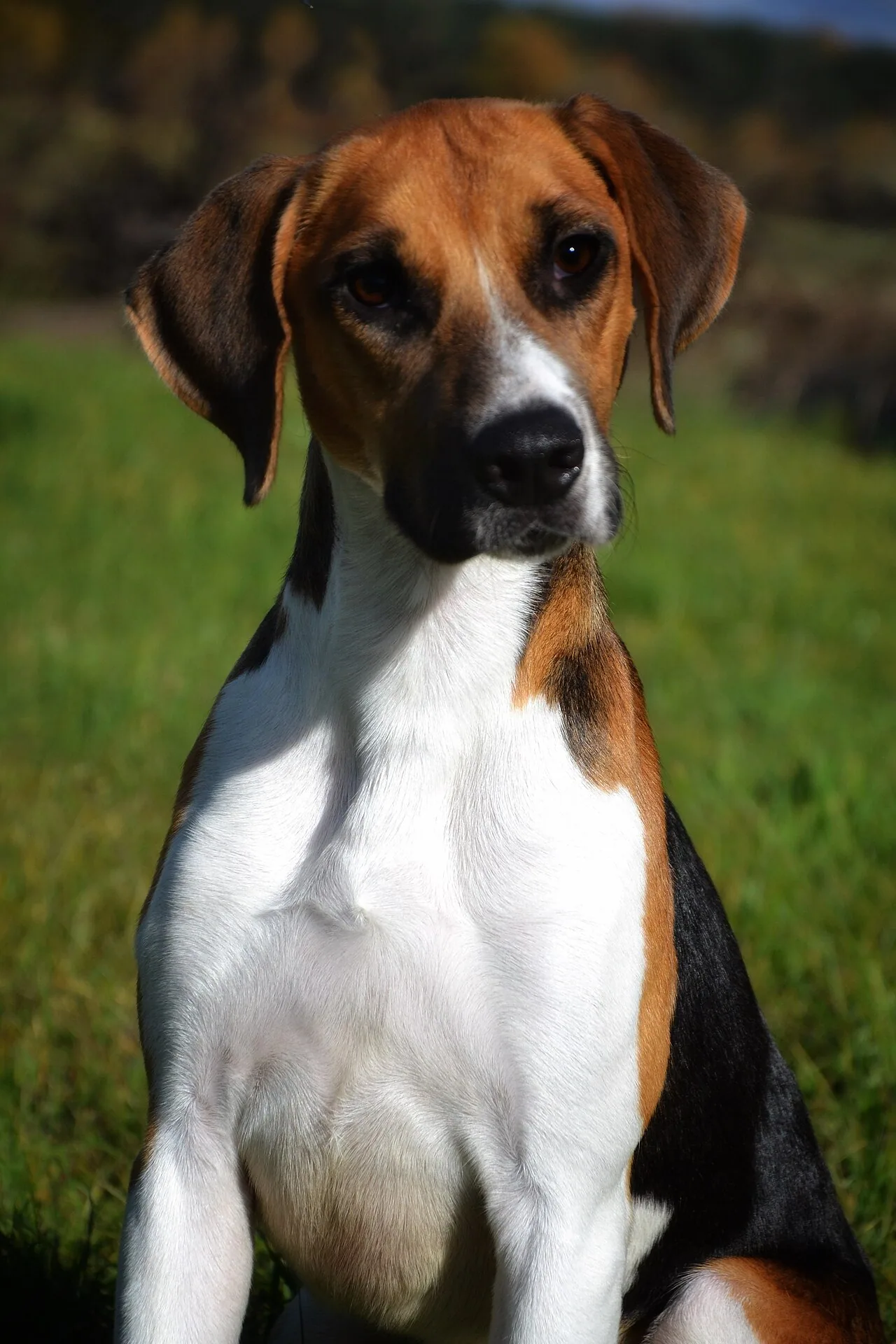
A muscular hound with large bone, a broad skull, a strong square muzzle and rounded hanging ears. Eyes are brown or hazel, the nose is black and the expression is mellow when relaxed.
It stands about 48 to 53 cm tall and weighs 20 to 30 kg. The body is slightly longer than tall, with a level back and a medium tail carried high. The short, hard coat comes in various colour patterns.
Temperament
Harriers are cheerful, sweet-natured and tolerant, and they are excellent with children. They are used to life in a pack, so they usually get along well with other dogs and like having company.
Like all scent hounds they love to explore and follow trails, and some like to bay. Supervise them around small pets unless they were raised with them.
Care and exercise
Daily vigorous exercise such as long walks or runs is a must. Without it a Harrier can grow bored, overweight or destructive, though it settles well in an average home when its needs are met.
Keep it on a lead or in a safe enclosed area, because its nose may lead it far away. The coat needs only occasional brushing to remove dead hair.
Health
Generally a healthy, hardy hound with a lifespan of about 12 to 15 years. Hip dysplasia is known to occur in the breed.