Overview
The Beagle looks like a miniature foxhound and was bred for hunting hare and rabbit by scent. Its tracking skill also makes it a valued detection dog, and it is among the world's most popular companion breeds.
It is cheerful, sociable and good with children, but it is driven by scent and food and can be vocal and stubborn. Secure fencing and patient training matter.
History
The breed's exact origin is uncertain, but small hounds called beagles were known in medieval Britain, including tiny Pocket Beagles said to have been favoured by Elizabeth I. By the 1800s the Southern Hound and North Country Beagle were used for hare hunting.
The modern breed traces to Reverend Phillip Honeywood's pack in Essex in the 1830s, refined by Thomas Johnson. Clubs and a standard followed in 1890, the breed reached America in the 1840s and has been popular there ever since. A Beagle named Uno won Best in Show at Westminster in 2008.
Appearance
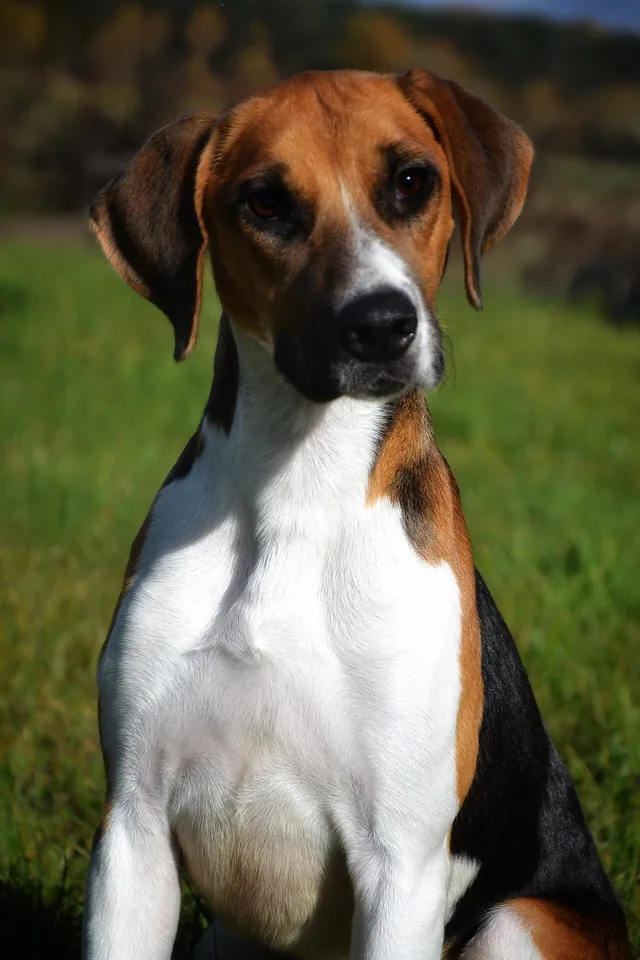
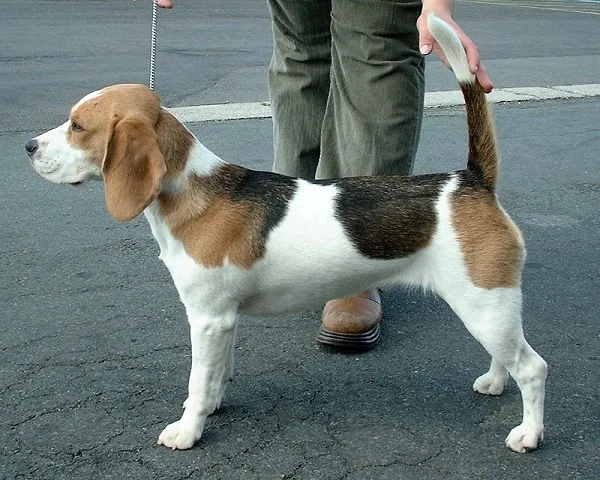
A sturdy, compact hound with a square muzzle, long soft ears, large expressive eyes and a tail carried gaily with a white tip. Most stand about 33 to 41 cm and weigh around 9 to 14 kg.
The short, dense coat is usually tricolour or bicolour. Rough-coated and Pocket varieties once existed but have died out.
Temperament
Beagles are merry, gentle and curious, and enjoy company, including that of other dogs, as they were bred to work in packs. They are not typically aggressive.
They can be stubborn, easily distracted by scent and very food-motivated. They bay and howl readily and may be hard to recall off-lead.
Care and exercise
They need daily walks and chances to sniff, plus a securely fenced garden because they will follow a trail and escape. Bored Beagles may bark, dig or howl.
Coat care is easy, with weekly brushing. Watch their food intake as they overeat and gain weight easily, and check their ears regularly.