Overview
The Hanover Hound is a powerful German scenthound developed to track wounded game by the scent of blood. It is a descendant of the old lead hounds used by hunters for centuries.
Calm and steady, it works best in a rural setting with plenty of space and a job to do. It is rare outside Germany and is seldom kept purely as a pet.
History
The breed traces back to the lead hounds of Central Europe, which were used from Celtic times and later in the age of Charlemagne to find stags and wild boar. When firearms became common, hunters needed dogs able to follow wounded animals, and the lead hound grew into a specialist blood-tracking dog.
The name Hanoverian Bloodhound was given in 1885, and a club was founded to preserve the breed. Around 1912 it was crossed with a lighter hound to produce the Bavarian Mountain Hound. The FCI recognised the Hanover Hound in 1964.
Appearance
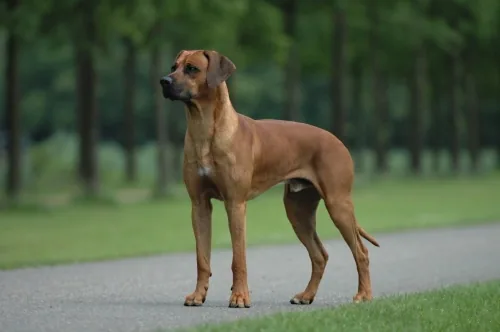
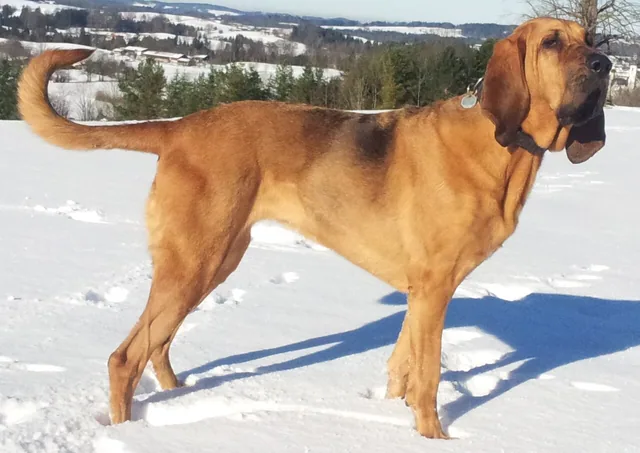
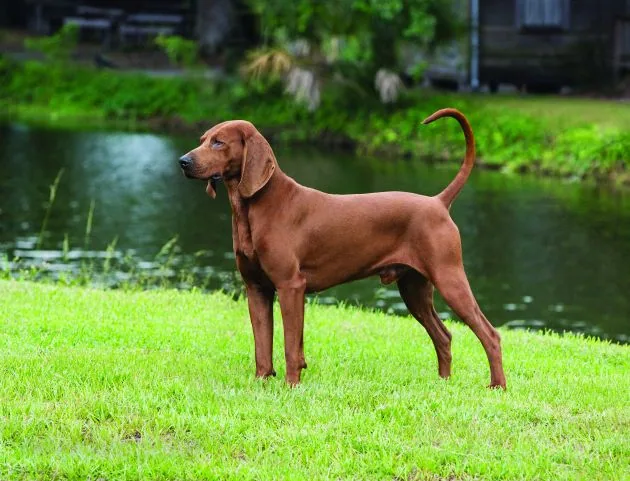
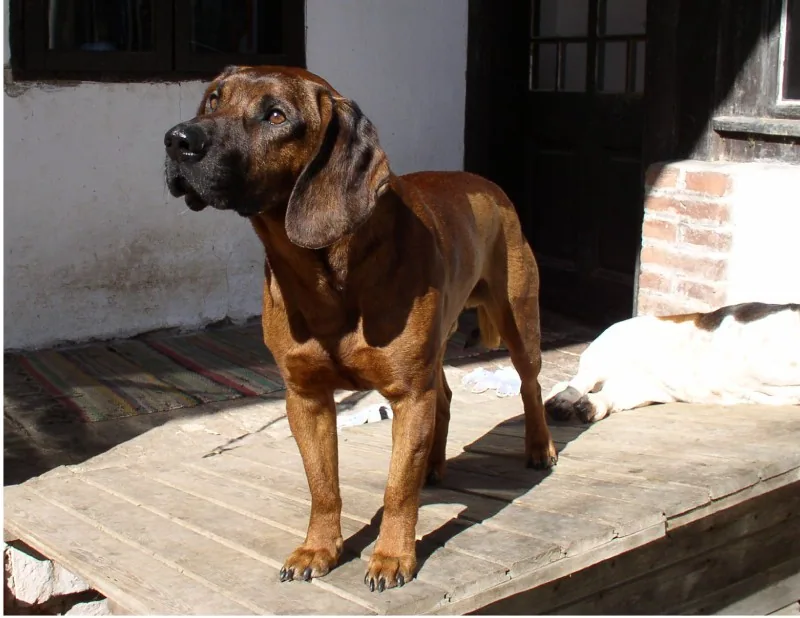
This is a sturdily built, short-coated hound with a large head, strong jaws and a deep chest. The forehead is slightly wrinkled, the skull is broad and gently rounded, and the broad ears hang high on the head with blunt tips. The tail is long and set high.
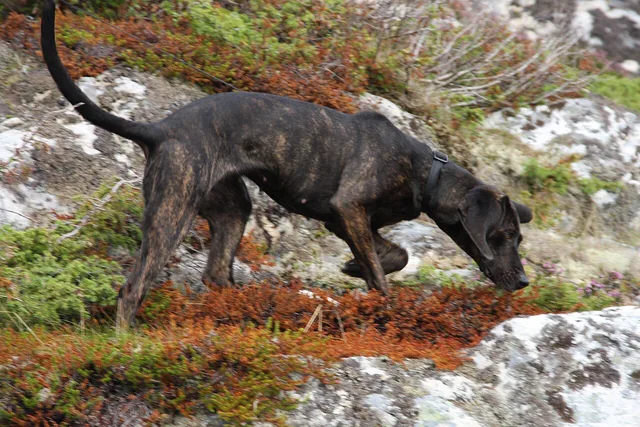
The coat ranges from light to dark reddish fawn with a brindled look, sometimes with a darker mask. Males are slightly larger than females.
Temperament
The Hanover Hound is calm, assured and very determined when following a trail. It tends to be reserved with strangers but is friendly and easygoing with other dogs.
Like most working hounds, it is happiest when given real tasks, and it is not well suited to city life.
Care and exercise
This hound needs plenty of exercise and mental work, ideally tracking or other scent work in the countryside. A house with a secure garden or a rural setting suits it far better than an apartment.
Grooming is simple: a regular brush of the short coat is enough. Training should be patient and consistent, as its independent tracking nature can make it stubborn.