Overview
The Havanese is a sturdy toy dog of the bichon family, loved for its silky coat, lively step and sunny disposition. It is the national dog of Cuba and has become a popular family companion around the world.
Bright, adaptable and eager to please, it fits well into homes of many kinds, from city flats to busy family houses, as long as it is given company and attention.
History
The Havanese descends from small white bichon dogs that sailed from Tenerife to Cuba, where they became favourites of Spanish colonists and the island's upper classes. These were bred into the now-extinct Blanquito de la Habana, which was later crossed with other bichon types, including poodles.
After the Cuban Revolution, few dogs left the island, and when American breeders took an interest in the 1970s the breed's gene pool in the United States was just eleven dogs. Careful breeding and new imports brought a strong recovery, and the breed gained American Kennel Club recognition in 1996.
Appearance
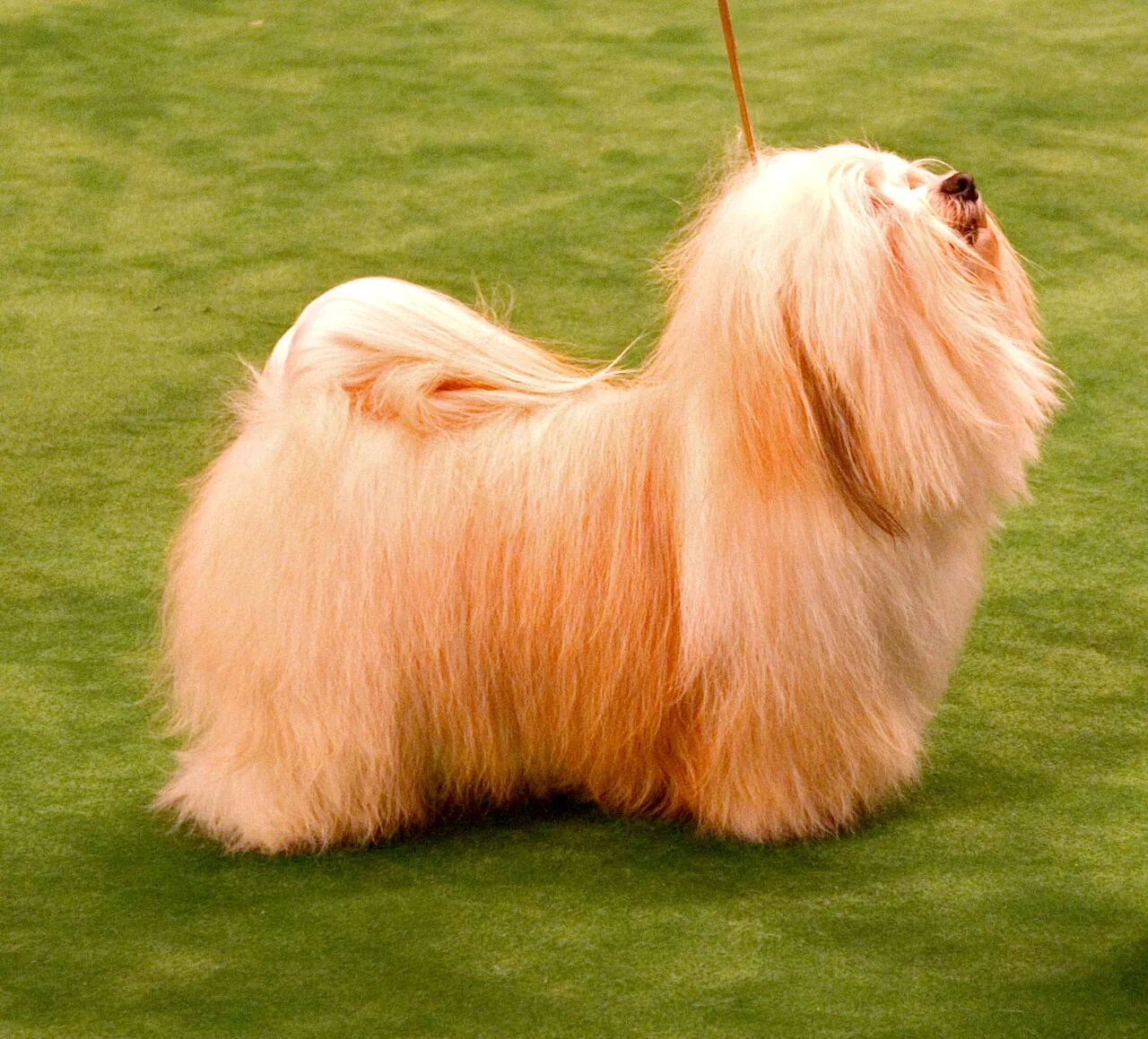
The Havanese is a small, slightly longer-than-tall dog standing roughly 22 to 29 cm at the withers. Its topline is straight but rises gently toward the croup, and it moves with a distinctive springy, lively gait.
The head has a rather flat skull, dark almond-shaped eyes and soft drop ears that frame the face. The tail arches forward over the back, carrying a long plume of silky hair.
Temperament
Havanese are warm, funny and strongly attached to their people, often following family members from room to room. They are friendly with visitors, children and other pets, and are known for their clownish streak.
Their intelligence and eagerness to please make training enjoyable, and they have worked as therapy and assistance dogs. They dislike being left alone for long and can become anxious without company.
Care and exercise
Daily walks and play sessions are enough to keep a Havanese happy, and they enjoy games, agility and trick training. They do best living indoors with their family.
The long, silky coat needs regular brushing, several times a week, to prevent tangles, and many owners keep it trimmed shorter for easier care. Eyes, ears and teeth also deserve routine attention.
Health
Havanese are generally long-lived, but can be prone to luxating patella, liver disease including portosystemic shunt, heart disease, cataracts, retinal dysplasia and sebaceous adenitis. Health testing of breeding stock is worthwhile.