Overview
The Glen of Imaal Terrier is a "big dog on short legs" from County Wicklow, Ireland. It was bred for vermin control and farm work and is one of the four Irish terrier breeds.
It is rare and little known, but admired for being even-tempered and less vocal than most terriers, and it is happy to relax at its owner's side.
History
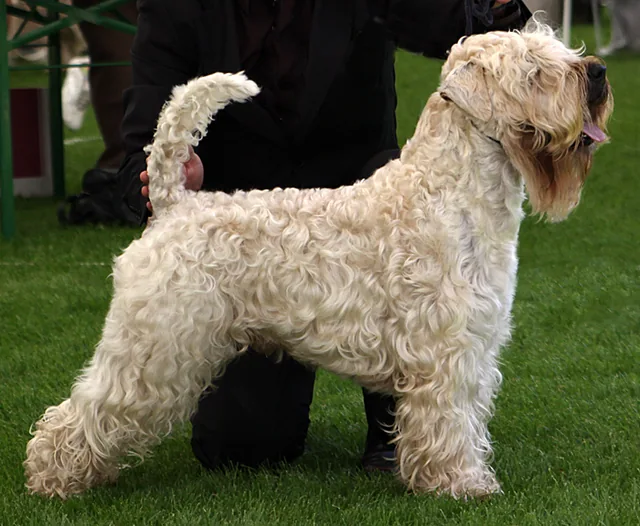
Its exact origins are lost, though it may be related to other Irish terriers such as the Soft-Coated Wheaten or the Kerry Blue. Low-slung hounds in its past are thought to be the source of its short legs.
The breed nearly died out before being revived in the 1900s. The Irish Kennel Club recognised it in 1934 and it remains among the rarest breeds.
Appearance
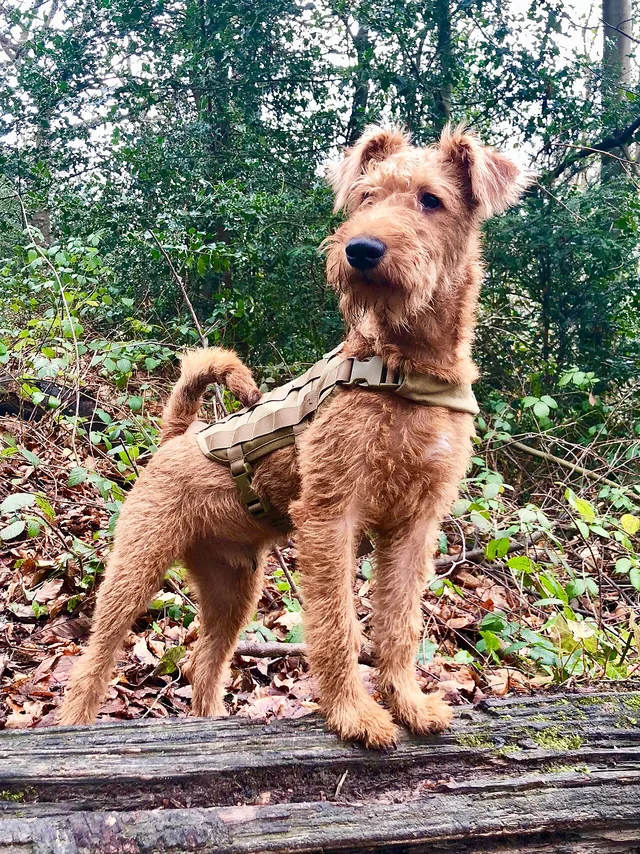
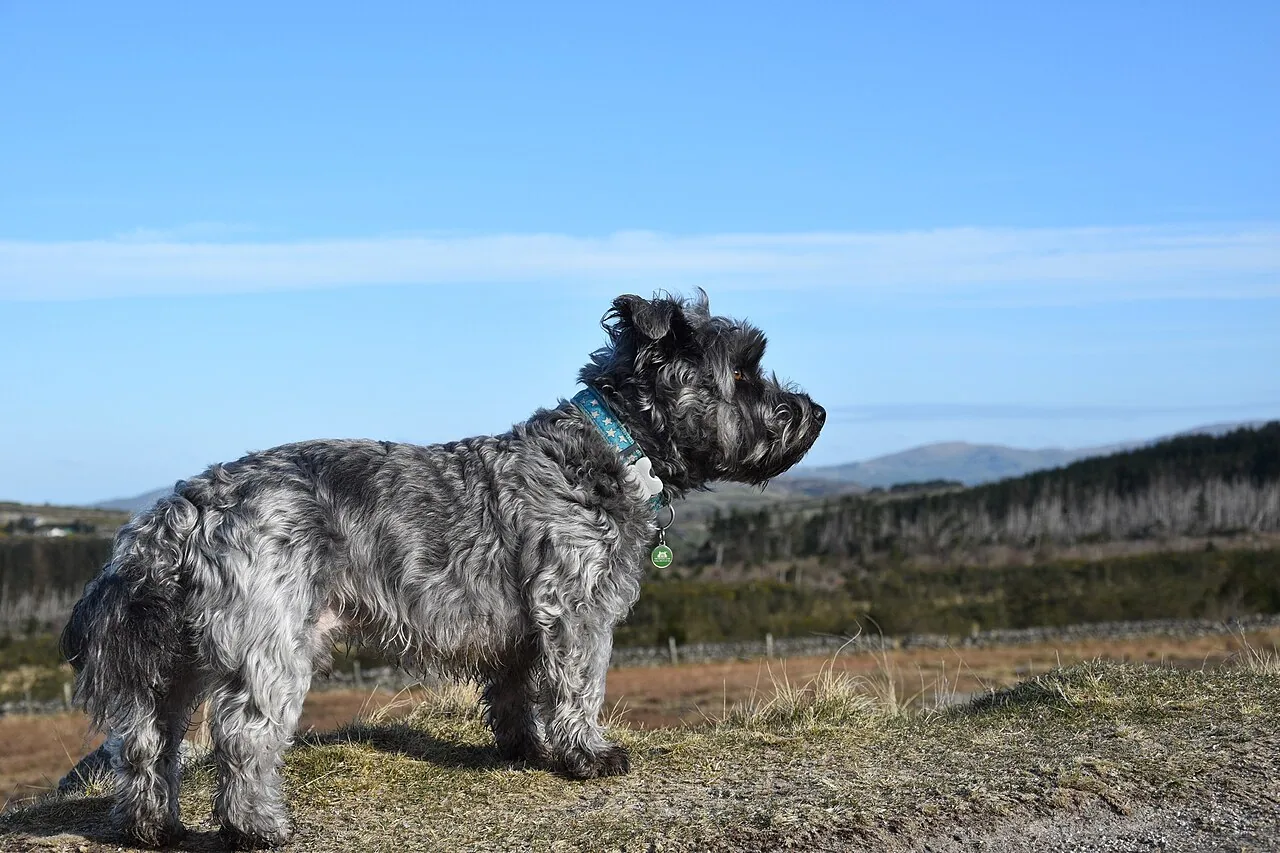
A sturdy, long-bodied dog with a large head, rose or half-prick ears and short, bowed legs. Males stand about 30 to 36 cm and weigh around 16 kg or a little more.
The harsh outer coat with a soft undercoat is wheaten or blue, often brindled, and the look is intentionally rough and natural. It may take up to four years to mature.
Temperament
Energetic and tenacious but more easygoing than most terriers, with a deep, authoritative bark. Fearless, loyal and excellent with people, including children, though some can be dog-aggressive.
They have a strong prey drive and need early socialisation around small pets. They are intelligent, learn quickly and can be stubborn.
Care and exercise
Brush every week or two and hand-strip dead hair a few times a year. Daily activity and games suit them, and they enjoy Earthdog, Barn Hunt and agility. Discourage jumping from furniture while young to protect growing front legs.
Health
A genetic test exists for progressive retinal atrophy (crd3), and responsible breeders use it. Skin allergies, mild hip dysplasia and growth-plate injuries in puppies can occur, but back problems are uncommon.