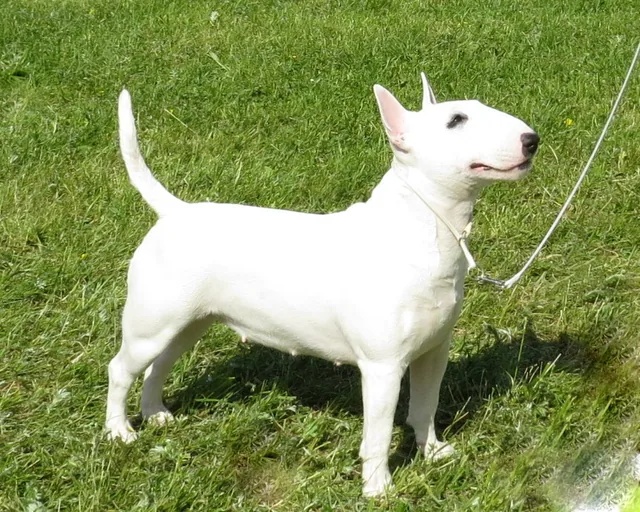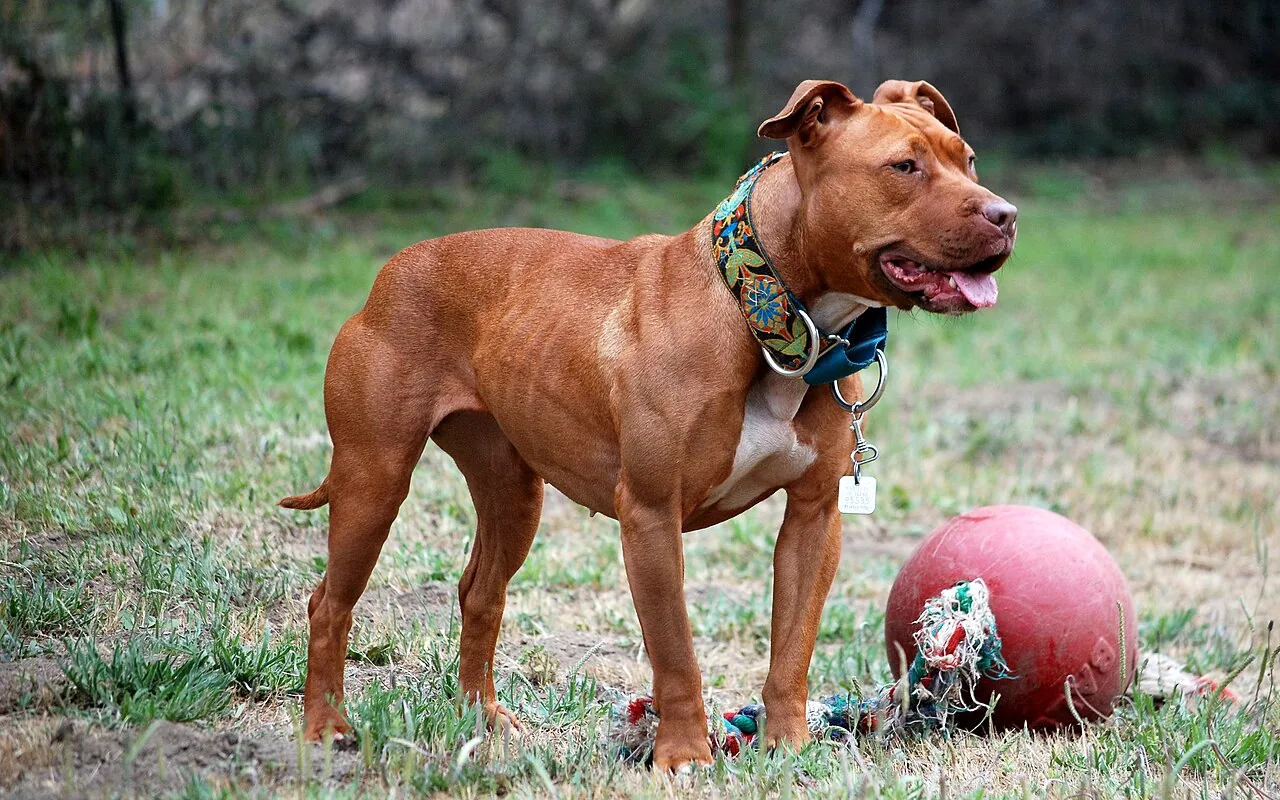
Overview
The American Pit Bull Terrier is a sturdy, short-coated dog built for strength and agility. It is registered by the UKC and ADBA but not by the AKC.
The name is often stretched to cover many bull-type dogs, which causes confusion and legal trouble. Many owners find the breed affectionate and keen to work, but it needs informed, responsible handling.
History
The breed descends from English bull and terrier dogs, made by crossing old bulldog types with terriers. These dogs reached America in the mid to late nineteenth century.
In their early days they were used in blood sports and dog fighting, which left a lasting stigma. In America they also worked as catch dogs for cattle and hogs and as farm companions. The UKC registered the breed in 1898.
Appearance
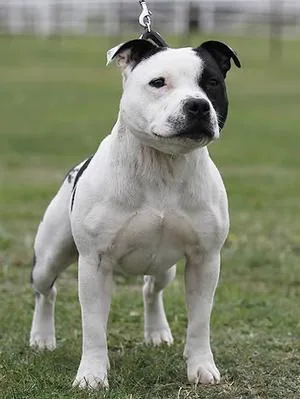
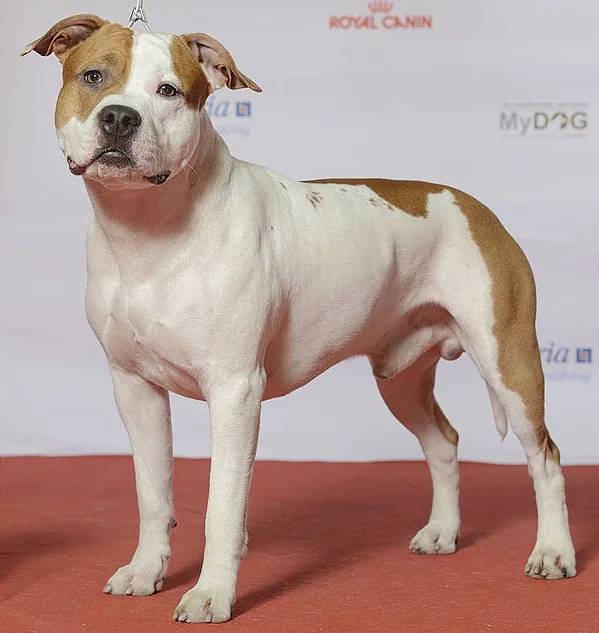
A medium-sized, solidly built dog with smooth, well-defined muscle. The head is broad, the eyes round to almond-shaped, and the ears small to medium, usually rose or half-pricked. The tail is slightly thick and tapers to a point.
Males stand about 45 to 53 cm and females 43 to 50 cm at the shoulder.
Temperament
Strong and confident yet eager to please, the APBT is enthusiastic, intelligent and keen to work. Most are devoted to their people and thrive on attention.
Some dogs can be dog-selective, so early socialisation and steady, positive training matter. Human aggression is a fault in the breed standards.
Care and exercise
This is an active breed that needs daily exercise, mental work and sturdy, secure fencing, as it is a talented climber and jumper. Weight pulling, agility and similar sports suit it well.
Grooming is easy: a weekly brush is enough. Supervise it with other animals and keep it well socialised from puppyhood.
Health
Generally hardy. Watch for hip dysplasia, kneecap problems, thyroid disease, heart defects and skin allergies. Demodex mange can affect puppies, and vaccination against parvovirus is essential.