Overview
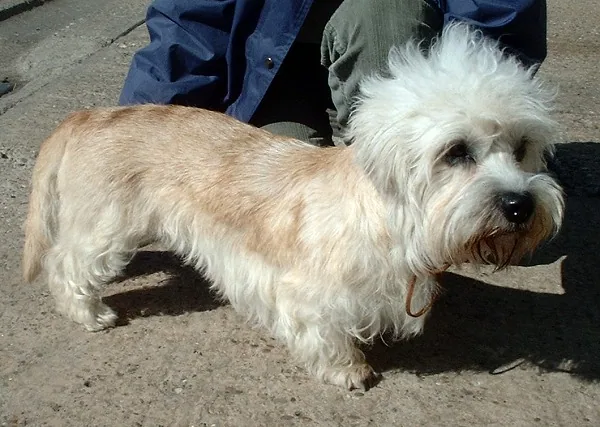
The Dandie Dinmont Terrier is a small Scottish terrier with a long body, short legs, drooping ears and a distinctive silky topknot. It was originally used to hunt otters and badgers in the border country.
It is a tough but gentle and fairly easygoing terrier, usually friendly with older children, and it is among the rarer native British breeds today.
History
The breed came from the Anglo-Scottish border country, where terriers were kept to hunt badgers and otters. The early dogs of the Allan family in Northumberland are thought to be among its ancestors, and farmer James Davidson is credited with founding the modern breed.
Sir Walter Scott's 1815 novel Guy Mannering made it famous, with the character Dandie Dinmont owning terriers called Pepper and Mustard. The breed club was formed in 1875. Numbers later dropped, and in 2006 it was listed as a Vulnerable Native Breed in the UK.
Appearance
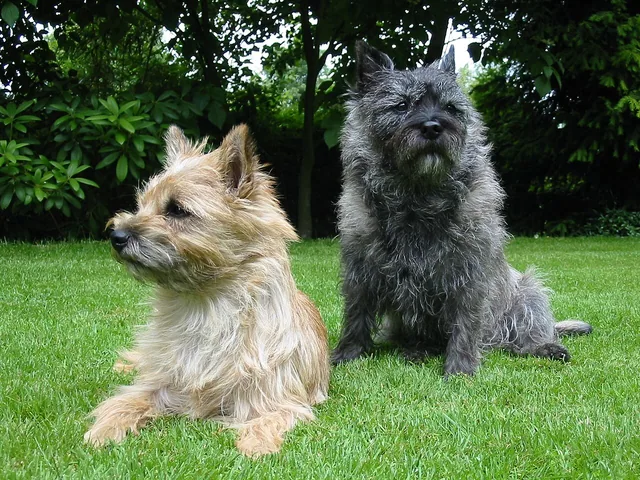
A small dog, about 20 to 28 cm tall and 8 to 11 kg, with a long, low body and a large head crowned with a soft topknot. The ears hang down, which is unusual among Scottish terriers. The coat is either pepper, from bluish-black to silvery grey, or mustard, from reddish brown to fawn.
Temperament
Dandies are tough but good-natured and are among the more docile terriers. They are loyal, devoted to their people and make decent watchdogs. They keep a strong hunting instinct, so small pets can be at risk, and they love to dig.
Care and exercise
Moderate walks and play are enough, along with a safe garden where digging can be tolerated. The coat should be combed regularly and professionally tidied a few times a year. Avoid jumping from heights and long stair climbing to protect the back.
Health
The long back makes intervertebral disc disease and spinal herniation a real concern. The breed also shows higher-than-average rates of cancer, and a higher risk of a liver shunt has been reported. A 2024 UK study found a typical lifespan of about 12.8 years.