Overview
The Briard is a big, strong shepherd dog from north-central France, long used to move flocks and keep them safe from harm. Under its long, flowing coat is an athletic, agile worker with a keen mind.
Today it is mostly a family companion, valued for deep loyalty and a watchful nature. It suits owners who enjoy training, activity and a close bond with their dog.
History
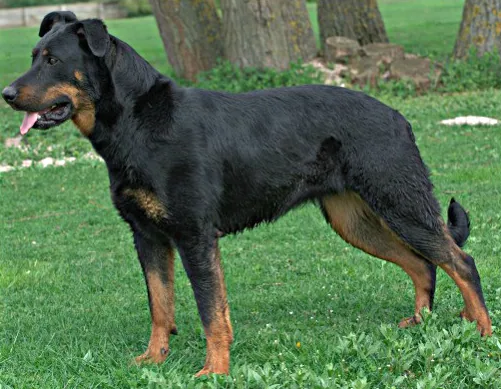
The Briard takes its name from the historic Brie region of north-central France, where it herded sheep and kept them out of crops and vineyards, and guarded them against threats. Writings from the late 1700s already describe a long-haired shepherd dog of Brie, and by the late 1800s it was clearly told apart from the short-haired Beauceron.
The breed appeared at the first Paris dog show in 1863 and received its first standard in 1897. Numbers dropped sharply during both World Wars, and the breed gained full international recognition in 1954. As farming became mechanised, the Briard turned into a popular companion, with registrations peaking in France in the mid-1980s.
Appearance
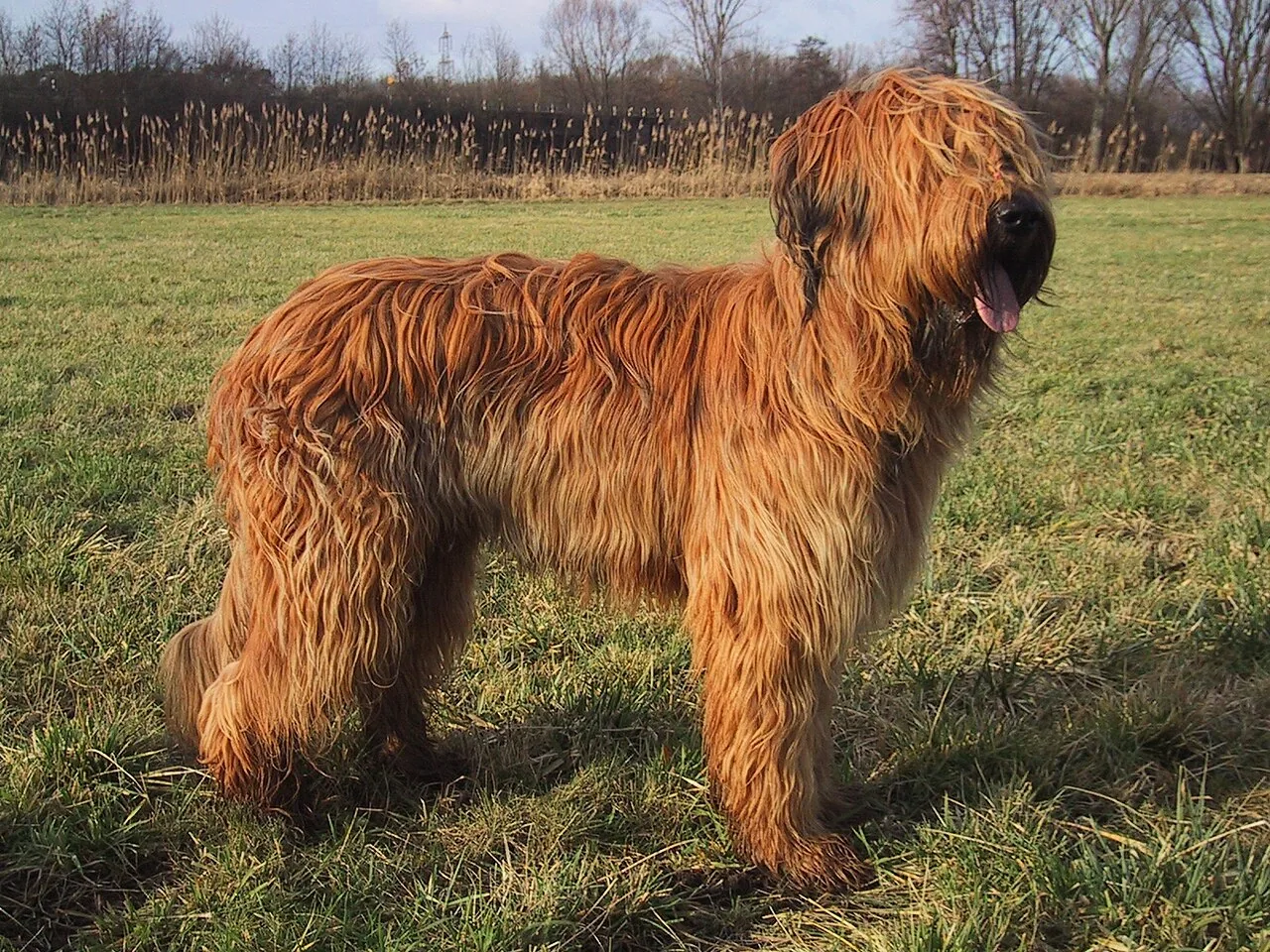
The Briard is a sturdy, well-muscled dog with a rustic, slightly rangy look. Males stand about 62 to 68 cm at the withers and females about 56 to 64 cm. The head is strong, with a long, shaggy fall of hair over the eyes and a beard.
Its coat is long, at least 7 cm, with a dry, harsh feel like goat hair. A rare trait is the double dewclaw on each hind leg, which is required by the breed standard.
Temperament
Briards are loyal, affectionate and deeply attached to their families, though they can be reserved with strangers. Their guarding instincts are strong, and they tend to watch over the people in their care.
They are clever and sensitive, and respond best to consistent, positive and fair training. Early socialisation matters, as does steady guidance, since an under-occupied Briard can become stubborn or try to herd family members.
Care and exercise
Briards need plenty of daily exercise, such as long walks, play and mental work like obedience, herding or dog sports. They do best in a home with space and an active family rather than long hours alone.
The long coat needs thorough brushing several times a week to prevent mats, especially behind the ears, on the legs and in the beard. Check and trim the ears and feet regularly.
Health
Briards can be affected by inherited eye conditions, including a form of retinal dystrophy that has been studied and treated experimentally with gene therapy. Like many large deep-chested dogs, they may be at risk of bloat, and hip dysplasia is known in the breed. A 2024 study found a median lifespan of about 12.6 years.