Overview
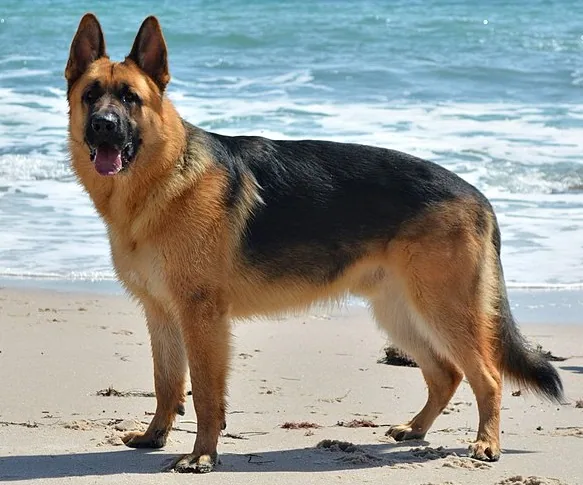
The Czechoslovakian Wolfdog began as a scientific experiment in military kennels, crossing the German Shepherd with the Carpathian wolf. It was later developed into a working breed and recognised in 1982 in its homeland and by the FCI in 1999.
It looks strikingly wolf-like and keeps a strong, independent and pack-oriented nature, so it is best suited to experienced owners.
History
In 1955 Colonel Karel Hartl, with cynologist Heiri Machat, began crossing German Shepherds with Carpathian wolves in Czechoslovakia. The first litter from the female wolf Brita and the German Shepherd Cezar z Brezoveho haje was born in 1958.
The breed was called the Czech Wolfdog until 1982, when it gained national recognition. The FCI accepted it in 1999, and the American Kennel Club published a standard in 2024. A DNA study found limited wolf ancestry after generations of back-crossing, and the registered population is small.
Appearance
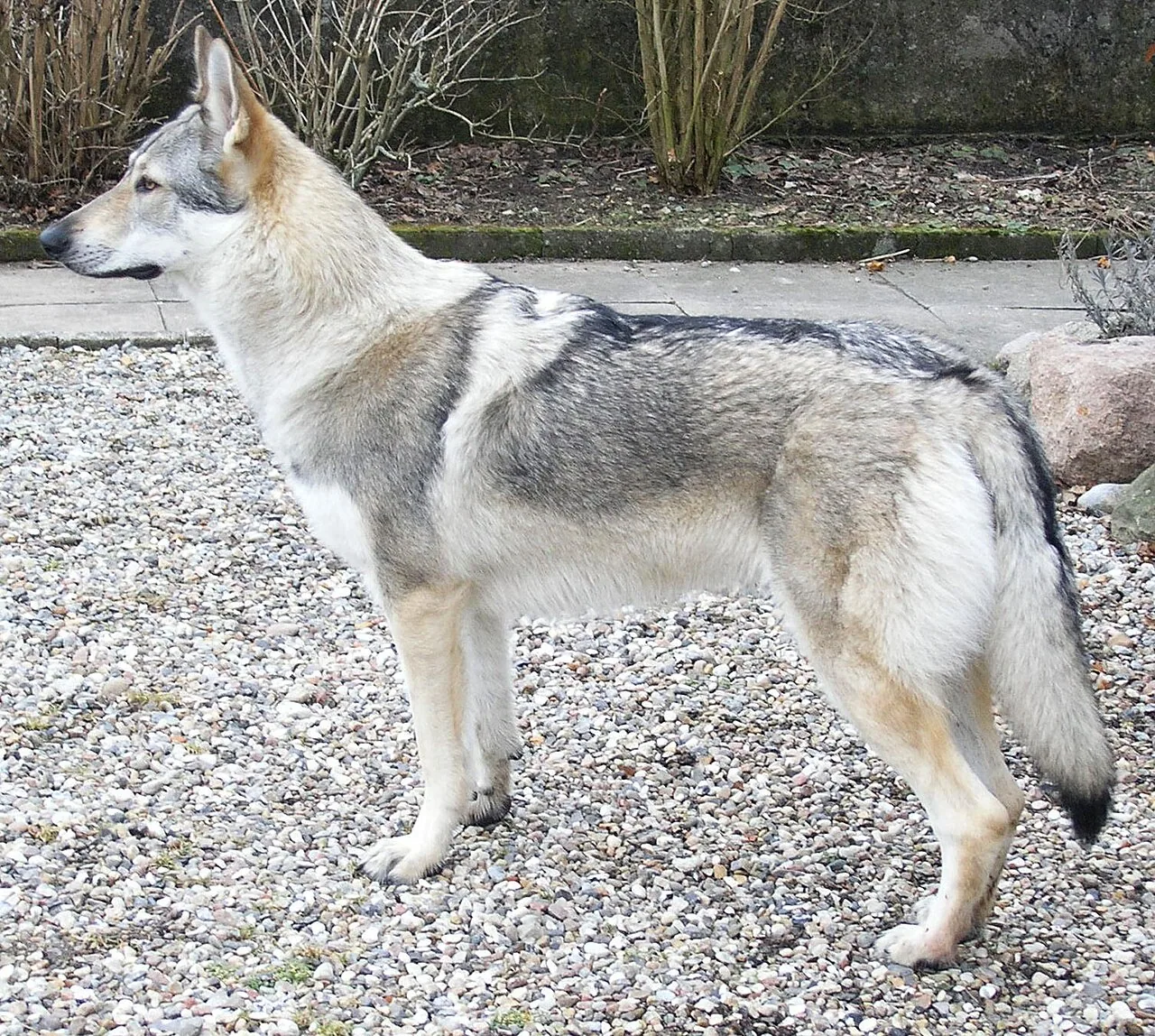
A tall, rectangular, well-muscled dog with a wolf-like head, amber eyes and erect ears. Minimum height at the withers is 65 cm for males and 60 cm for females, with minimum weights of 26 kg and 20 kg.
The coat is straight and close-fitting, very thick in winter and lighter in summer, silver-grey to yellow-grey with a pale mask and pale hair on the chest and neck.
Temperament
Devoted to its family and pack, the breed is intelligent, quick and highly active. It is naturally reserved with strangers and can be wary and sensitive to new situations.
It needs early, thorough socialisation and calm, consistent, experienced handling. It does not enjoy being left alone for long periods.
Care and exercise
This is a tireless dog that needs long daily exercise, ideally including running, hiking, tracking or other sports. Mental work is just as important as physical activity.
The coat is easy to keep but sheds heavily, especially during seasonal moults, when it needs frequent brushing. A secure, high fence is advisable.
Health
Generally robust, but hip dysplasia and degenerative myelopathy are known concerns in the breed. The gene pool is small, so choose breeders who test and keep a wide pedigree. Some dogs are also prone to dwarfism in certain lines.