Overview
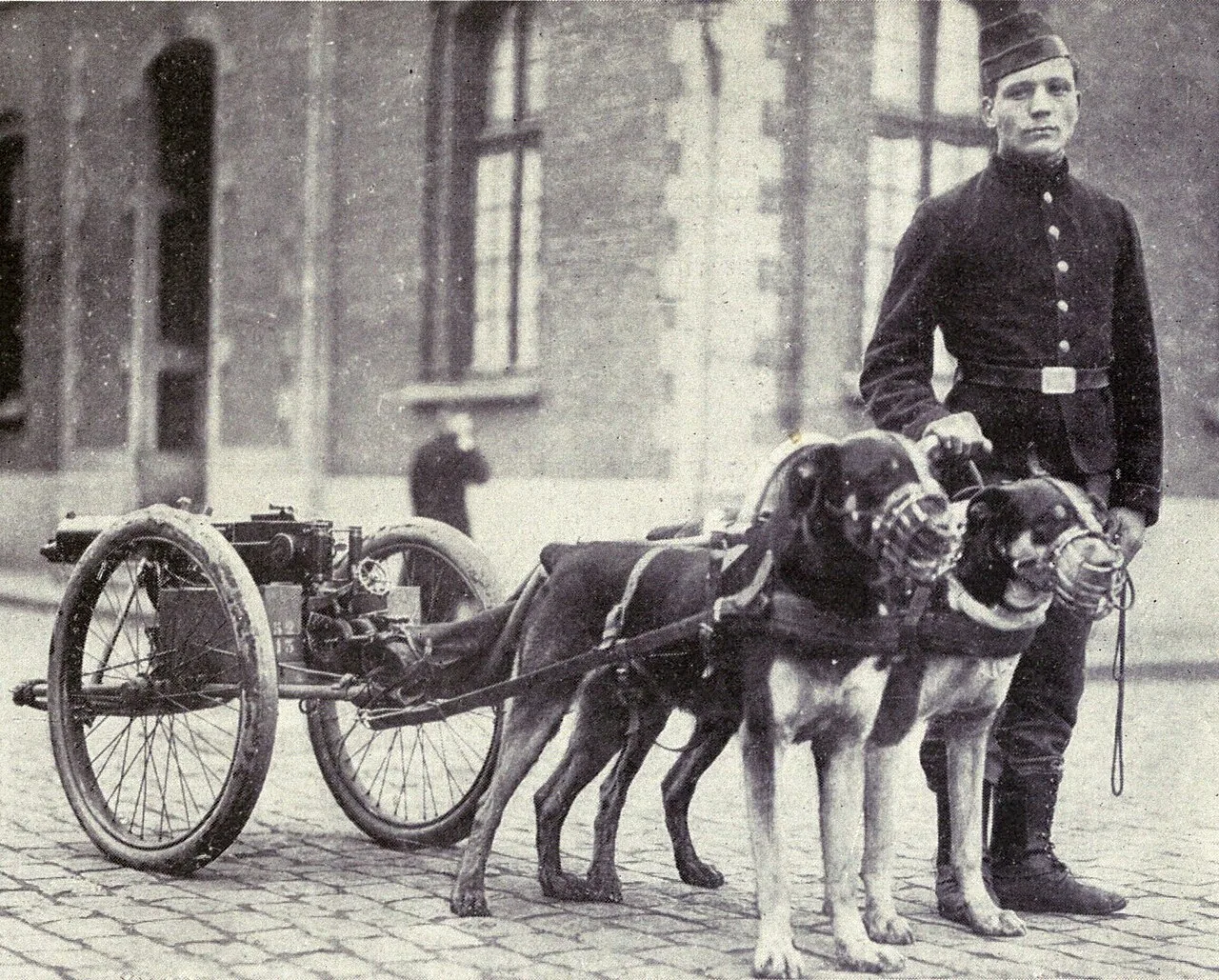
The Belgian Mastiff was a mastiff-type working dog from the Low Countries, used mainly to pull carts. It was recognised by the Société Royale Saint-Hubert and the FCI.
The breed is thought to be extinct. The FCI lists it as suspended, while the Belgian kennel club says it may be extinct and keeps its listing in the hope that surviving dogs turn up.
History
Little is known about its ancestry, although it is believed to descend from French mastiffs brought to the Low Countries. For years it was a common sight pulling carts that delivered milk, butter, meat and vegetables.
Its job faded throughout the 20th century as engines replaced dog power, and the two world wars hit the breed hard. It is believed to have disappeared in the second half of the century.
Appearance
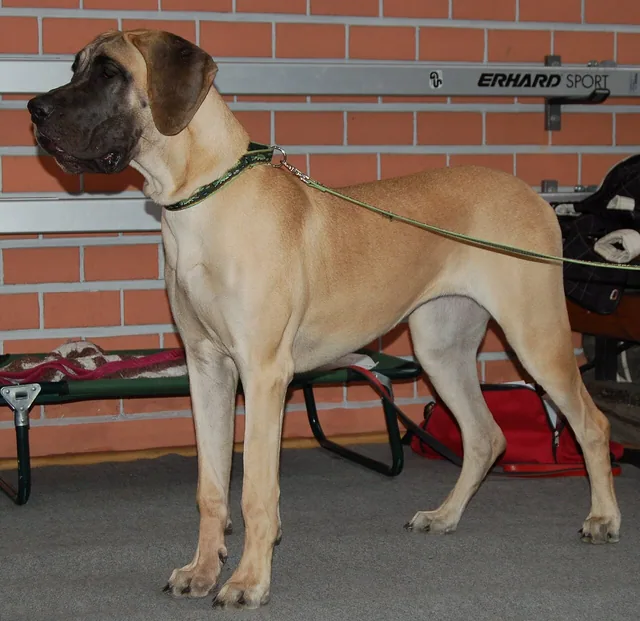
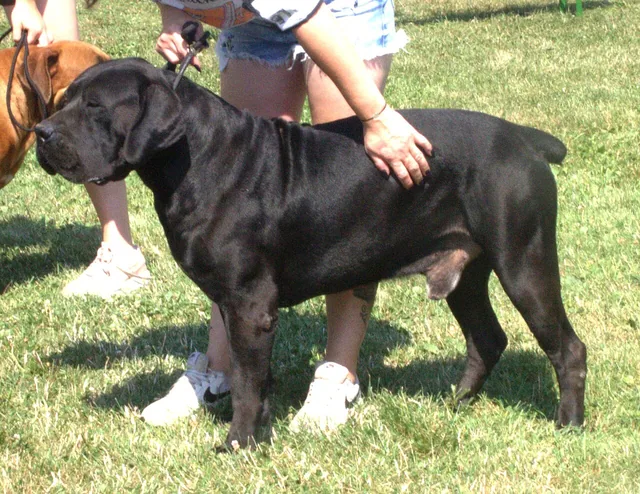
This was a big, powerful dog with heavy bone, a large head and a thick neck, standing roughly 69 to 78 cm and weighing 45 to 50 kg. The tail was usually docked so it would not be damaged while pulling.
The coat was short, smooth and loose fitting, typically fawn or brindle with a dark mask. White markings were also seen.
Temperament
Described as a tireless worker, the Belgian Mastiff had strong protective instincts. It was not known for being friendly with anyone beyond its own master.
Care and exercise
As a working draught dog it was kept for labour and needed a great deal of activity and a firm, experienced handler. The breed no longer exists, so no one can keep one today.