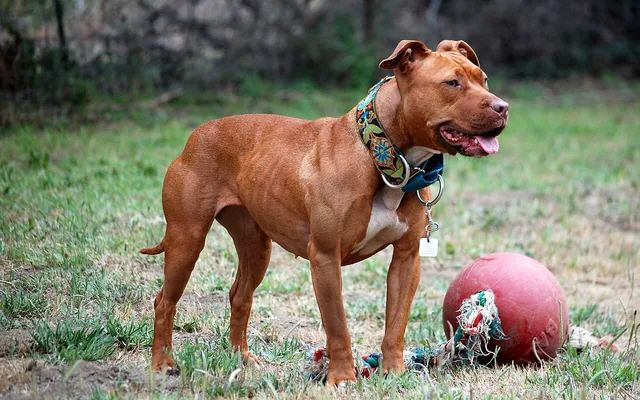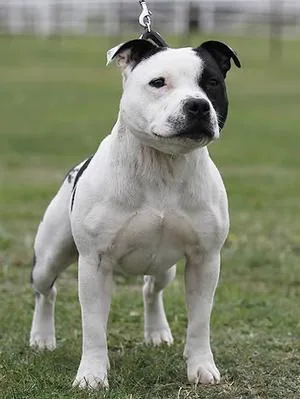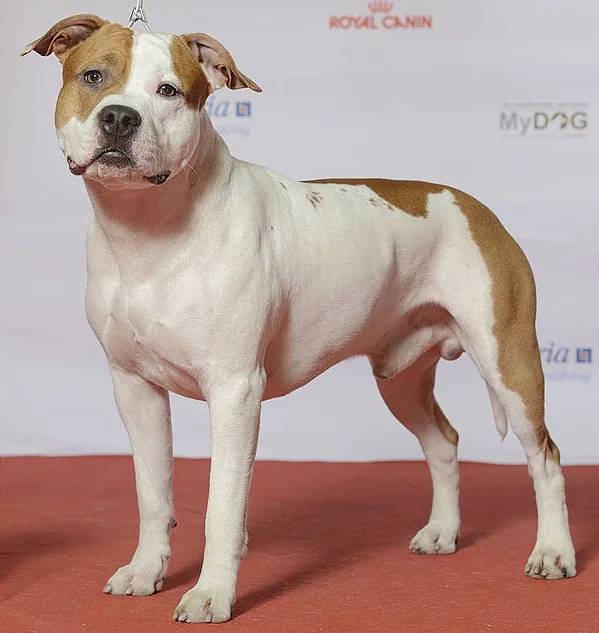
Overview
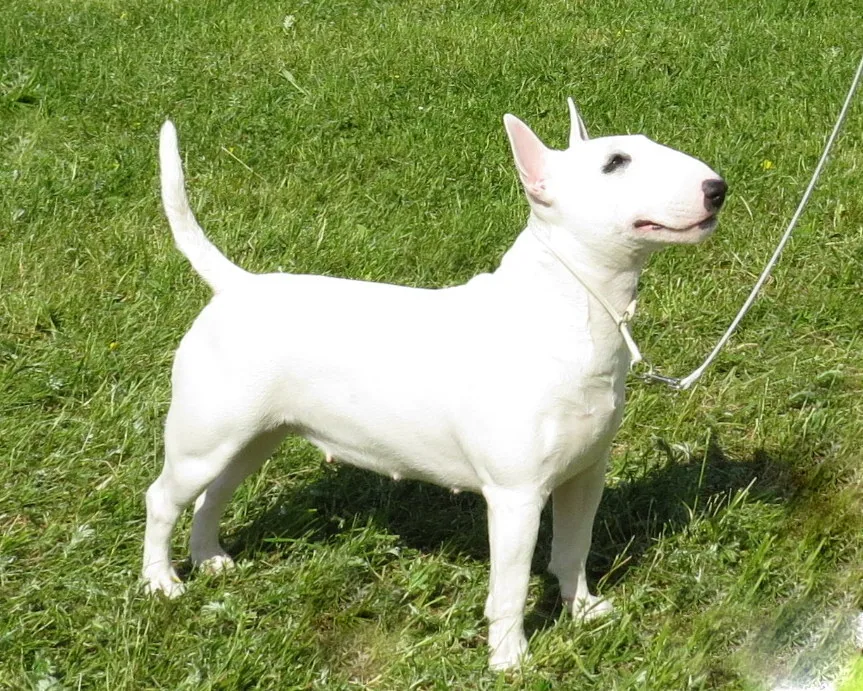
The Miniature Bull Terrier is a smaller version of the Bull Terrier, with the same distinctive egg-shaped head and muscular build. It has a short, glossy coat that needs very little grooming.
It is energetic and playful, and courageous well beyond its size, so it needs firm, early training and good socialisation.
History
The breed shares origins with the Bull Terrier, drawing on the extinct English White Terrier, the Dalmatian and the Bulldog. The original Bull Terrier was about the same size as the miniature is today, and small examples were documented in 1872.
In the early 1900s size was controlled by weight, which made some dogs too small and fine, so in the 1970s a height limit of under 14 inches replaced it. The American Kennel Club admitted the breed in 1991.
Appearance
A muscular, full-bodied dog with strong shoulders, an egg-shaped head that is flat on top, a large nose and small triangular eyes set close together. The ears are erect and the tail is carried horizontally.
The coat is short, fine and glossy, lying close to the skin. It may be white, white with markings, or coloured.
Temperament
Miniature Bull Terriers are energetic, playful and affectionate with their people, though they can be stubborn. They often show little fear and may challenge much larger dogs.
They can be unpredictable with other dogs, so thorough socialisation and consistent training from an early age are important.
Care and exercise
They need daily walks and active play, and they do best with a job or games to keep their minds occupied. They should not be left alone for long periods.
Grooming is minimal: a quick brush and wipe is enough. White dogs need sun protection on thin-coated skin.
Health
Deafness occurs in both white and coloured dogs, and puppies should be hearing tested (BAER). The breed is among those prone to primary lens luxation, and white dogs can carry the rare, usually fatal lethal acrodermatitis. A 2024 UK study found a life expectancy of 12.2 years.