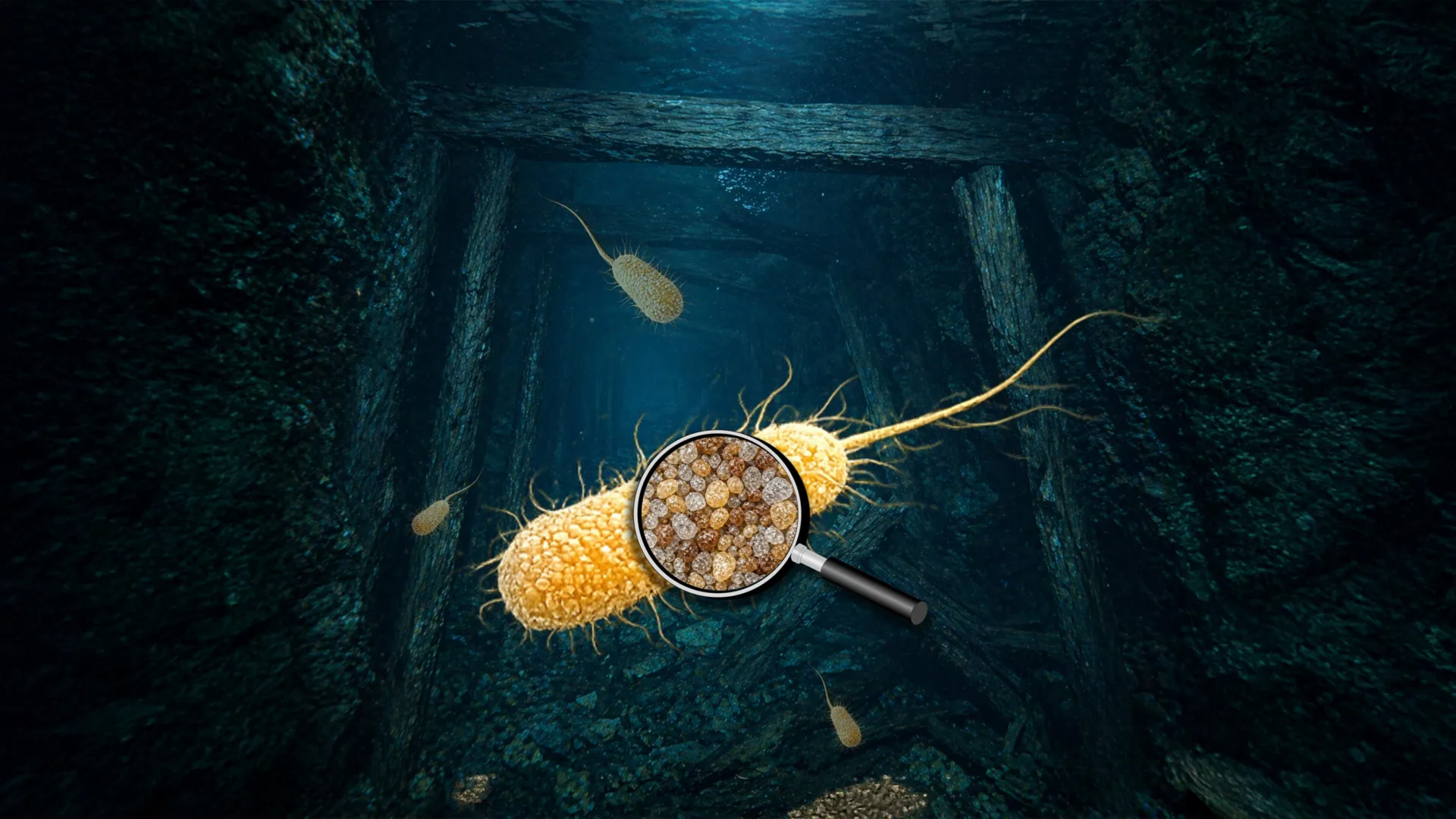
Researchers at Helmholtz-Zentrum Dresden-Rossendorf, working with Wismut GmbH and the University of Granada, found that naturally occurring bacteria can convert dissolved uranium in contaminated mine water into a stable, less hazardous form. Fed glycerol as an energy source, the microbes reduced uranium levels in water from a flooded former mine in Germany's Ore Mountains by about 95% within 130 days.
The bacteria produced FeU(V)O4, a rare pentavalent uranium compound bound with iron and oxygen that resists breaking back down even after long exposure to oxygen. Lead researcher Antonio M. Newman-Portela said the compound had previously been considered only a fleeting intermediate state, making its stability unexpected.
The findings, published in Nature Communications, point toward using bacteria for bioremediation of uranium-contaminated groundwater and mine sites, though researchers say further study is needed before real-world cleanup applications.