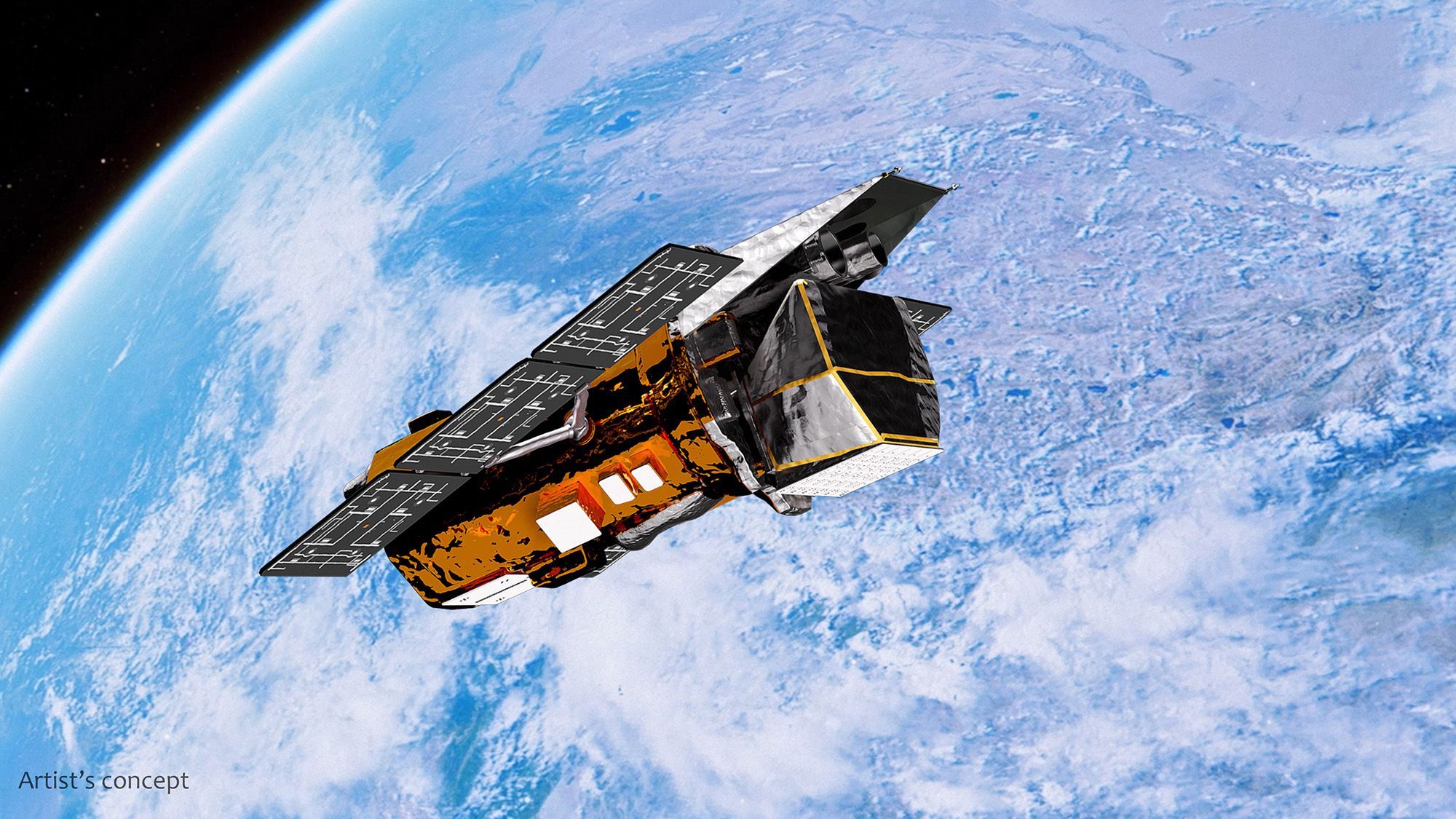
NASA has ended science operations on the Neil Gehrels Swift Observatory, launched in 2004 to study gamma-ray bursts, the most powerful explosions since the Big Bang. The spacecraft entered safe mode on October 20, unable to offset rising atmospheric drag, and NASA announced the end of science work on October 23. Penn State's operations team sent a final command to prepare Swift for re-entry.
Swift had sunk below roughly 171 miles (275 km), too low for its telescopes to hold steady on targets. NASA said heightened solar activity sped up the descent. A $30 million commercial rescue by Katalyst Space Technologies, whose Link spacecraft launched on July 3, was called off in August because of attitude-control problems on Link.
Swift's fall will be uncontrolled, so NASA cannot steer it to a remote ocean zone. Reports expect re-entry within weeks, or by the end of 2026. The loss ends a mission that ran far beyond its planned lifespan and tests the idea of commercial satellite servicing.