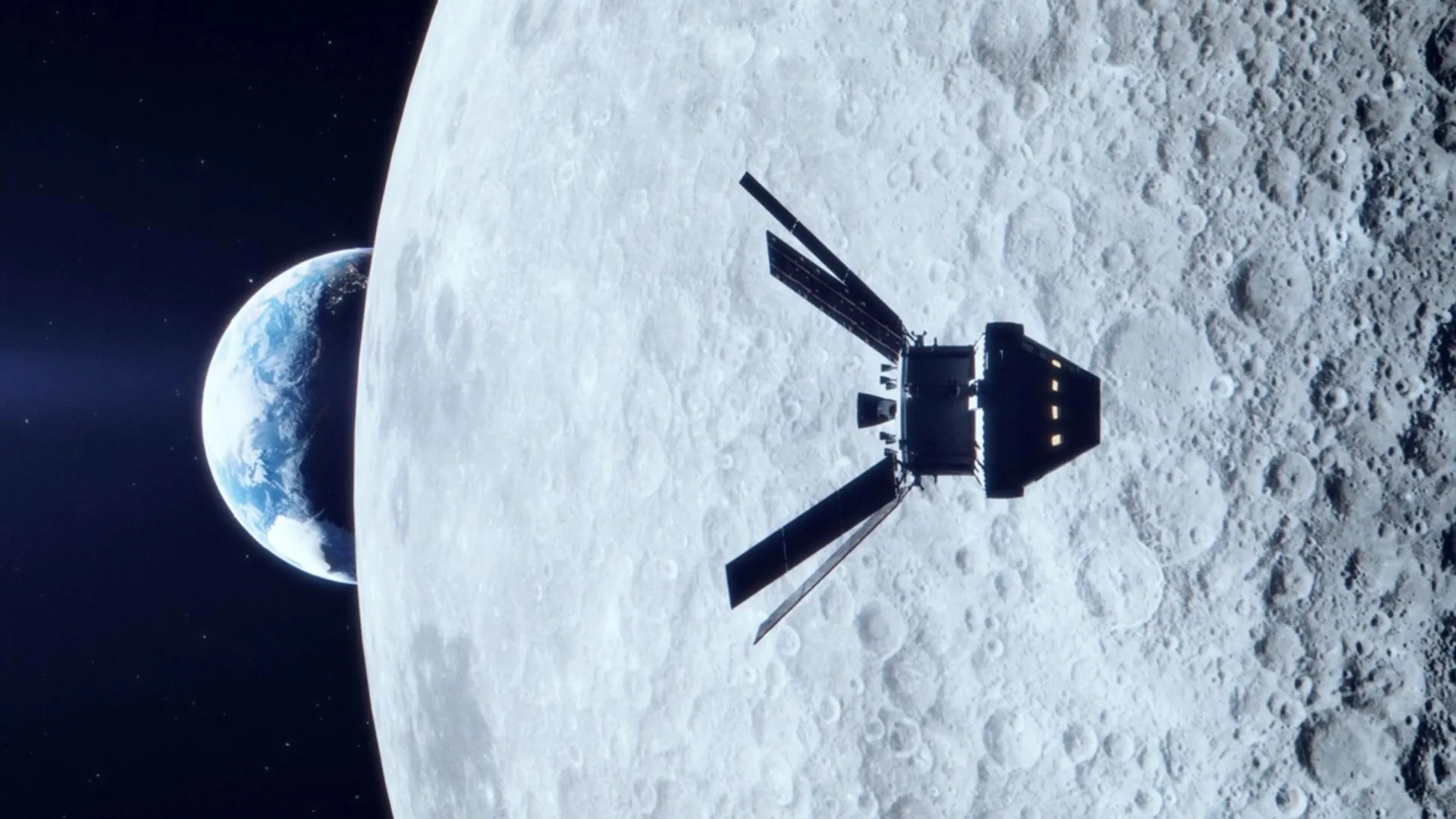
Polish physicists at the Institute of Nuclear Physics (IFJ PAN) in Kraków, led by Prof. Pawel Bilski, analyzed radiation measured during NASA's uncrewed Artemis I mission. Orion flew more than 10,000 lithium fluoride crystal detectors inside two human-shaped mannequins as part of the MARE experiment.
Cosmic radiation near the Moon is higher than in low Earth orbit, but the difference is smaller than expected. Near Earth, low-energy protons trapped in the Van Allen belts supply most of the dose. Near the Moon that source is absent, and high-energy galactic particles deliver a more uniform dose through the body. The new detectors agreed within 15% of conventional track detectors.
The tiny detectors, only a few millimeters across, can register low-energy events older devices missed and can also detect neutrons. They are compact enough to be worn, which helps refine astronaut exposure estimates for future lunar missions. The study appears in Radiation Measurements.