Overview
The Tosa is a rare, massive Japanese breed with a short, smooth coat and a very solid build. It was created in the 19th century as a fighting dog and is regarded in Japan with great respect.
It can be calm and quiet at home, but its size and strength call for experienced owners. In many countries it is banned or restricted by law.
History
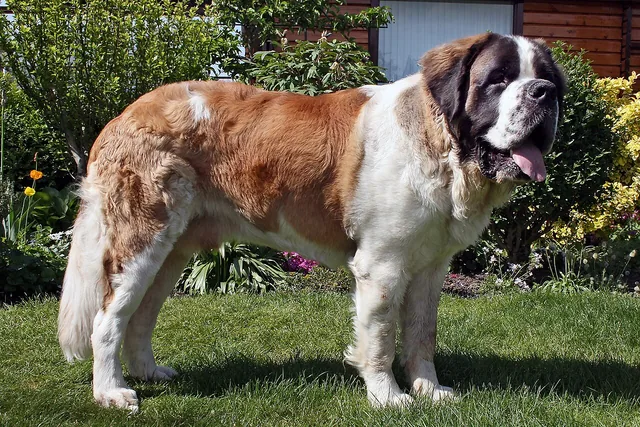
The Tosa was developed in the second half of the 19th century in Tosa, on the island of Shikoku, now Kōchi. Breeders crossed the native Shikoku dog with European breeds, including the Old English Bulldog, English Mastiff, Saint Bernard, German Pointer, Great Dane and Bull Terrier, aiming for a larger and more powerful fighter.
Breeding peaked between 1924 and 1933, when more than 5,000 breeders were reportedly active in Japan. The dog was later introduced to South Korea in 1955.
Appearance
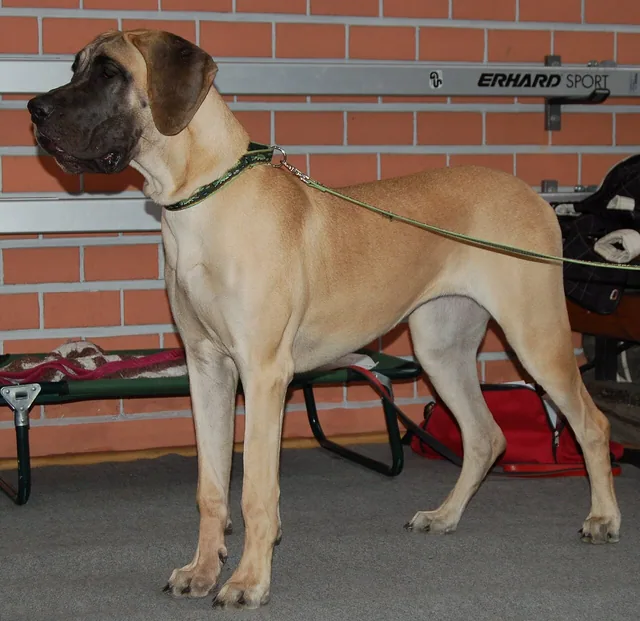
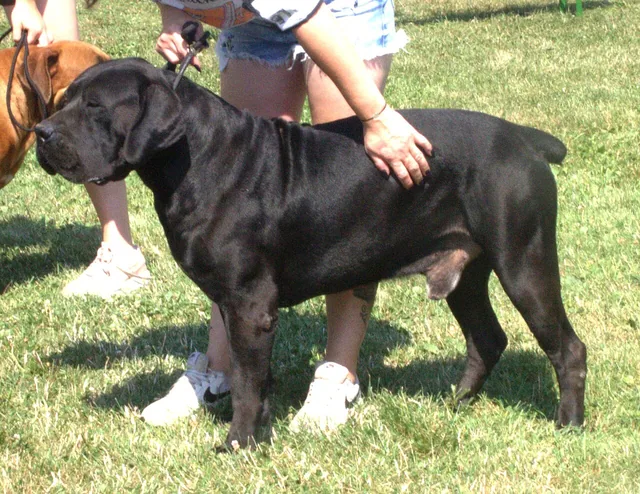
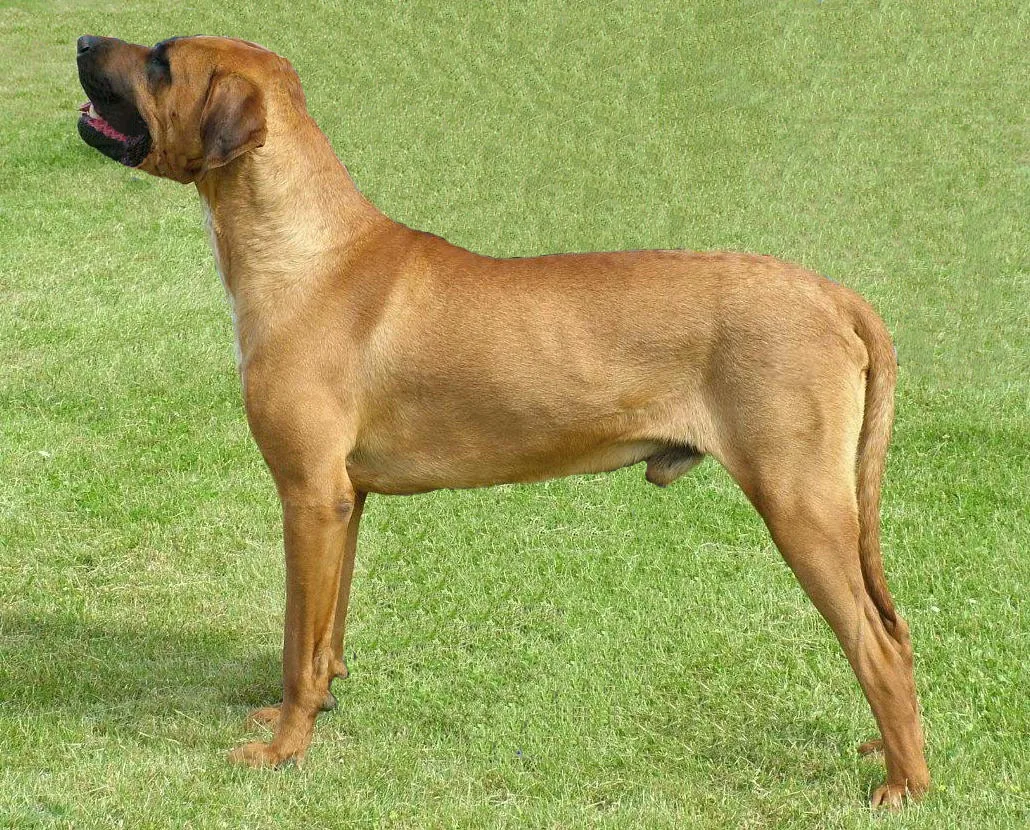
A very large, muscular dog. Japanese-bred Tosas usually weigh 36 to 61 kg, while those bred elsewhere are often much bigger, 60 to 90 kg and 62 to 82 cm tall. The coat is short and smooth, usually red, fawn or brindle, and sometimes black.
Temperament
A well-bred Tosa is typically quiet, steady and patient, though it can be reserved with strangers and dominant with other dogs. It needs early socialisation, firm and consistent training, and an owner who can manage a very strong dog.
Care and exercise
Needs moderate daily exercise on a secure lead and a fully fenced garden. Coat care is minimal, with an occasional brush. Training should start young, as an adult is hard to control by strength alone. Owners must check local laws before acquiring one.
Health
As a giant breed, it can be prone to joint problems and bloat. A healthy weight and sensible exercise while growing are important.