Overview
The Sporting Lucas Terrier is a compact, short-legged working terrier built to follow quarry underground. It stands about a foot at the shoulder and weighs roughly 15 pounds.
It is mainly kept as a working and sporting companion, and the United Kennel Club is the only major English-speaking kennel club that recognises it.
History
The breed was developed in Scotland in the 1990s by Brian Plummer, who crossed Lucas Terriers, Jack Russell Terriers and several Fell Terriers in search of a capable working terrier. The early work took place in Caithness and later in South Lanarkshire.
In 1999 the Lucas Terrier Club removed Plummer's dogs from its lists because it did not want other terrier types in its bloodlines. Separate clubs followed and the dogs became known as Sporting Lucas Terriers, even though the link to the original Lucas Terrier is loose. That older line was created by Major Jocelyn Lucas in the late 1940s from Sealyhams and Norfolk Terriers.
Appearance
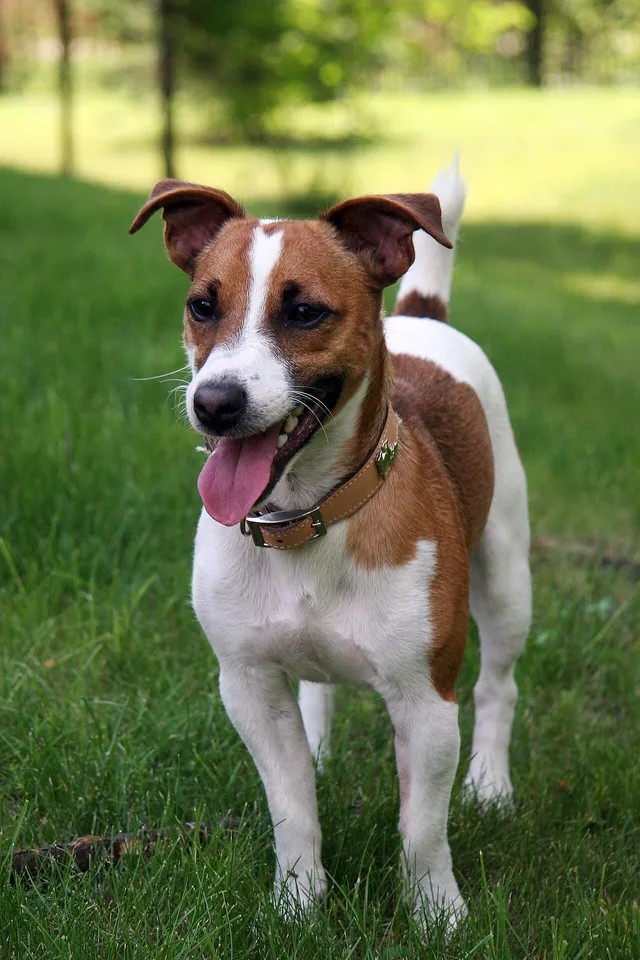
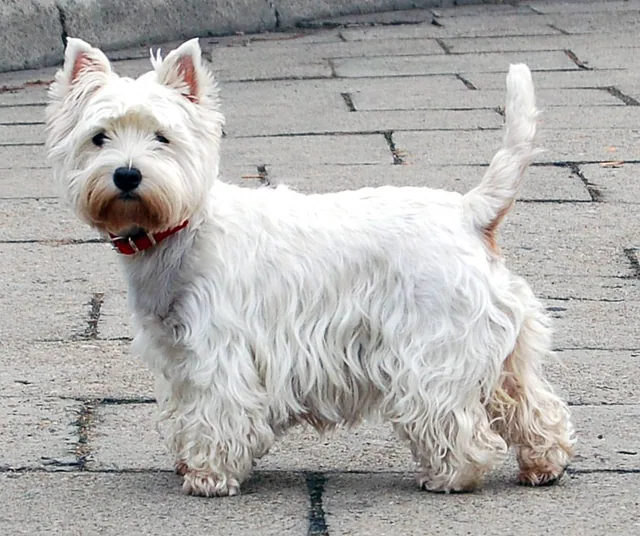
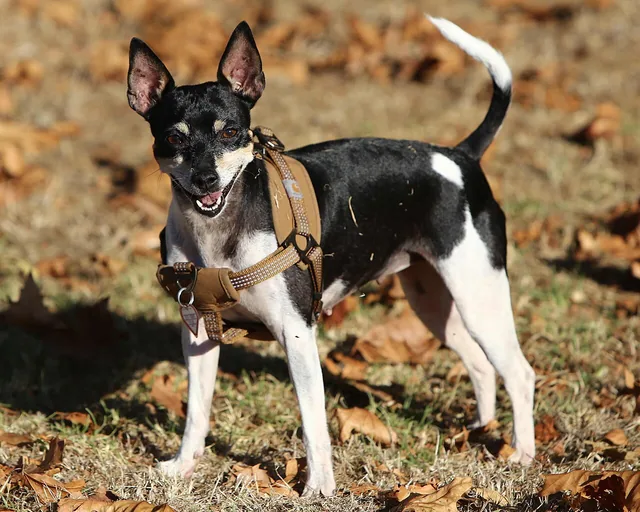
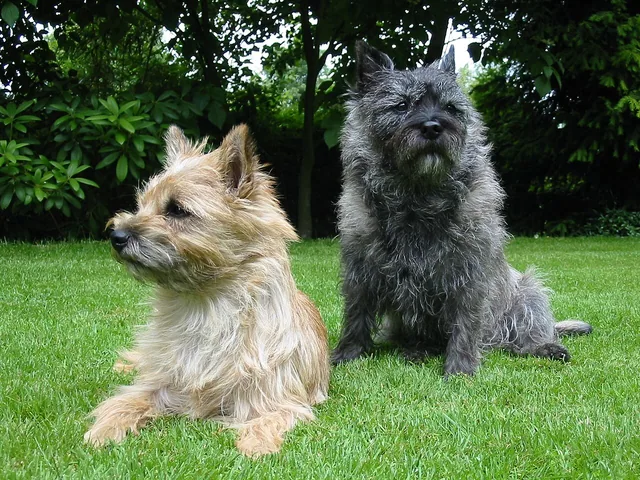
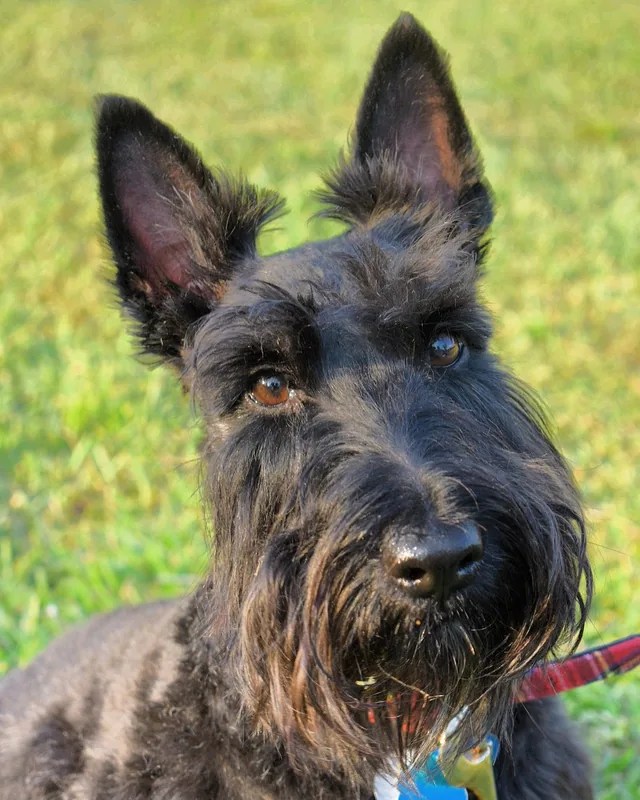
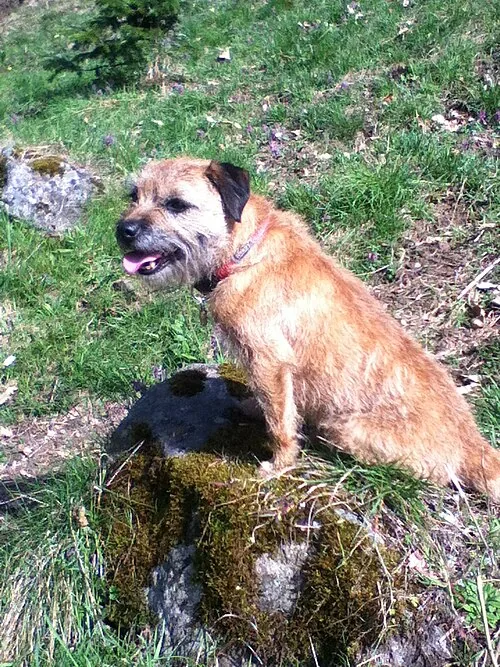
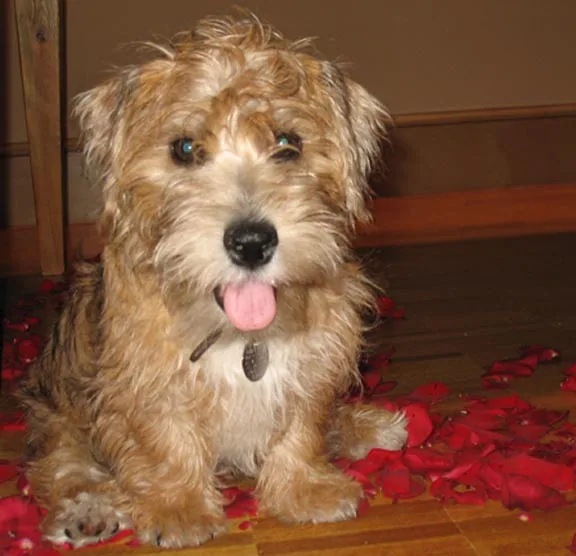
This is a small, short-legged terrier, narrow enough in the chest to enter a burrow when needed. It stands roughly 12 inches at the withers and weighs about 15 pounds.
The coat is harsh and shaggy. Colours include white with dark patches, or combinations of brown, black and tan, or grizzle and tan.
Temperament
Like most working terriers, it is bold, busy and keen to get on with a job. It tends to be alert and determined, with plenty of stamina for its size.
It does best with an owner who enjoys an active life and understands terrier independence.
Care and exercise
Daily exercise and mental work are important, ideally with a chance to use its nose and instincts in sporting activities or safe outdoor play. A secure garden is wise because terriers love to dig and chase.
The harsh coat needs regular brushing and occasional hand stripping or tidying.
Health
There is little breed-specific health information available. Bred for work and function, it is generally considered a hardy dog, and responsible breeders pay attention to soundness and working ability.