Overview
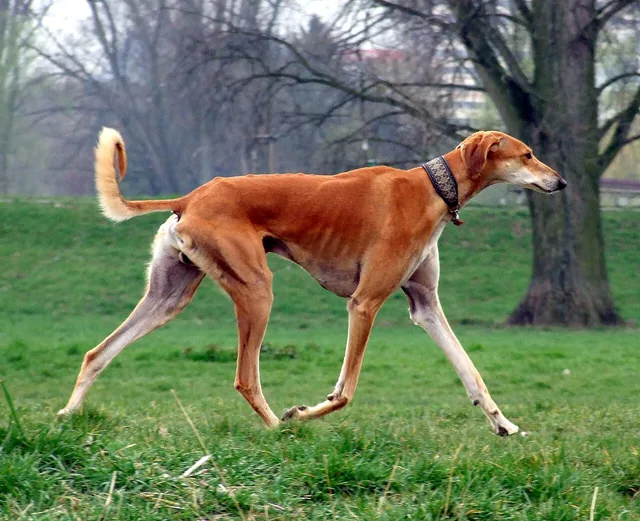
The Galgo Español is a Spanish sighthound bred for centuries to course hares across the open plains of the interior. It is lighter and finer than the English Greyhound, with a streamlined head and a body made for stamina.
At home the Galgo is usually gentle, quiet and rather reserved. It suits owners who can offer a calm household and a safe place to run flat out now and then.
History
The Galgo is thought to descend from ancient sighthounds of the Iberian Peninsula, possibly the Celtic vertragus described by Roman writers, with later influence from North African Sloughis. In medieval Castile it was a noble's dog, protected by laws that punished its theft or killing.
It appears in Spanish proverbs and in the first line of Don Quixote. Early in the 20th century some breeders crossed it with Greyhounds for track racing, but the dogs lost their stamina and the practice faded. Today the breed is valued as a heritage dog, though Spain counts it among its vulnerable native breeds.
Appearance
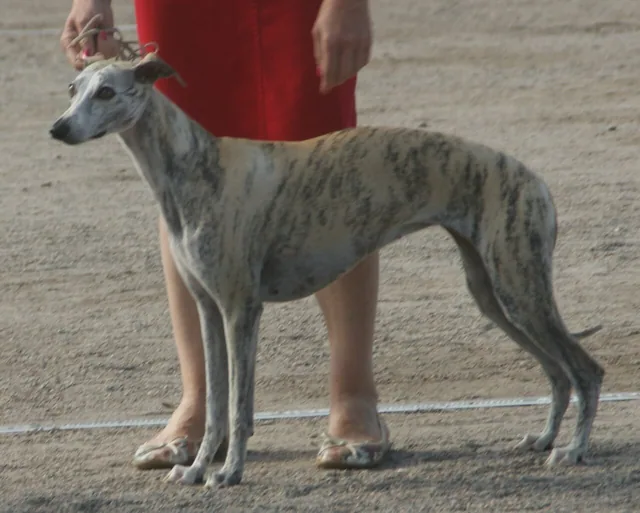
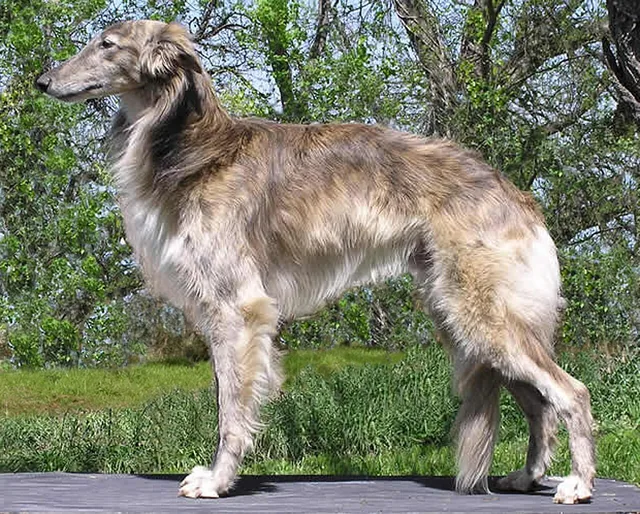
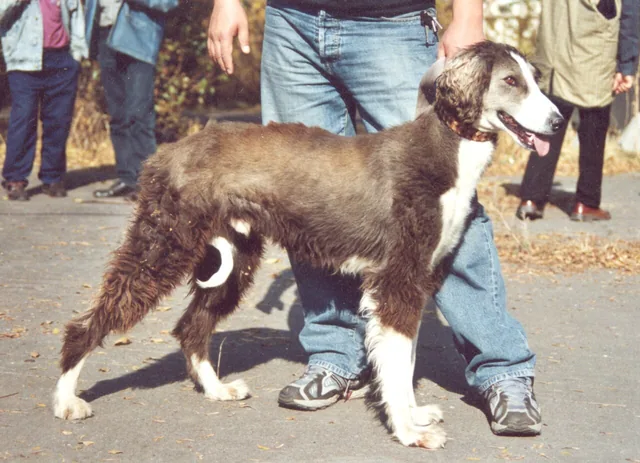
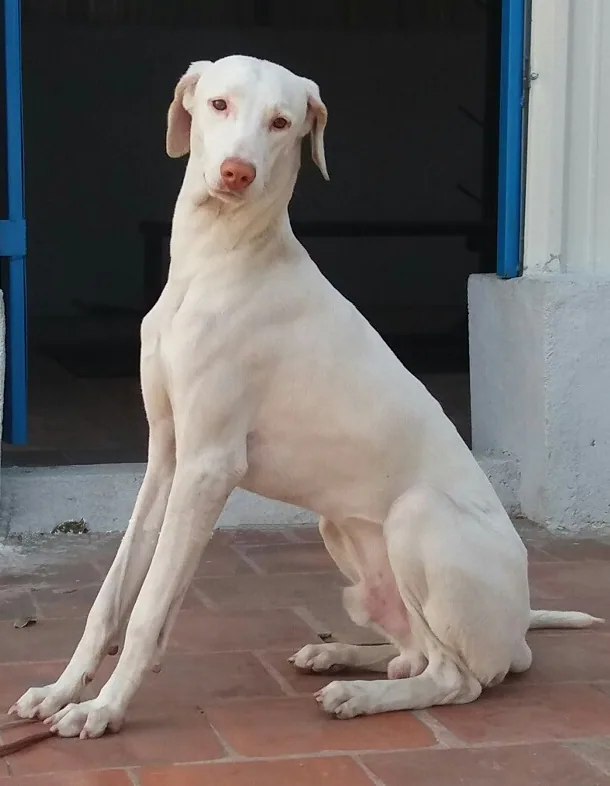
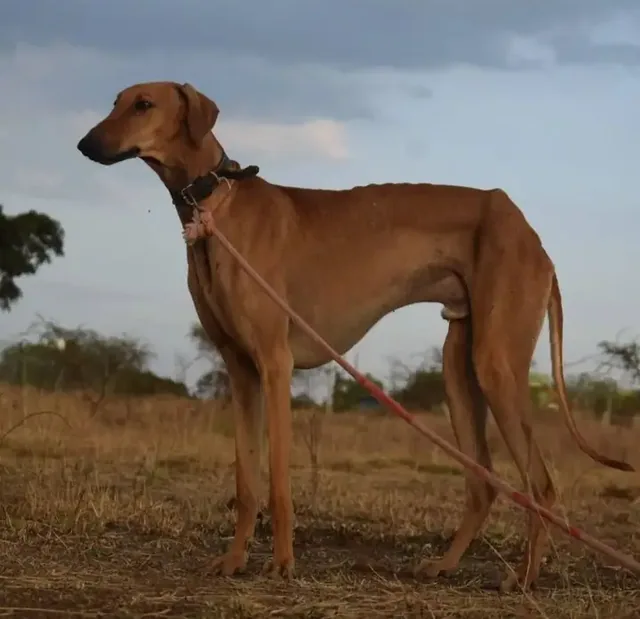
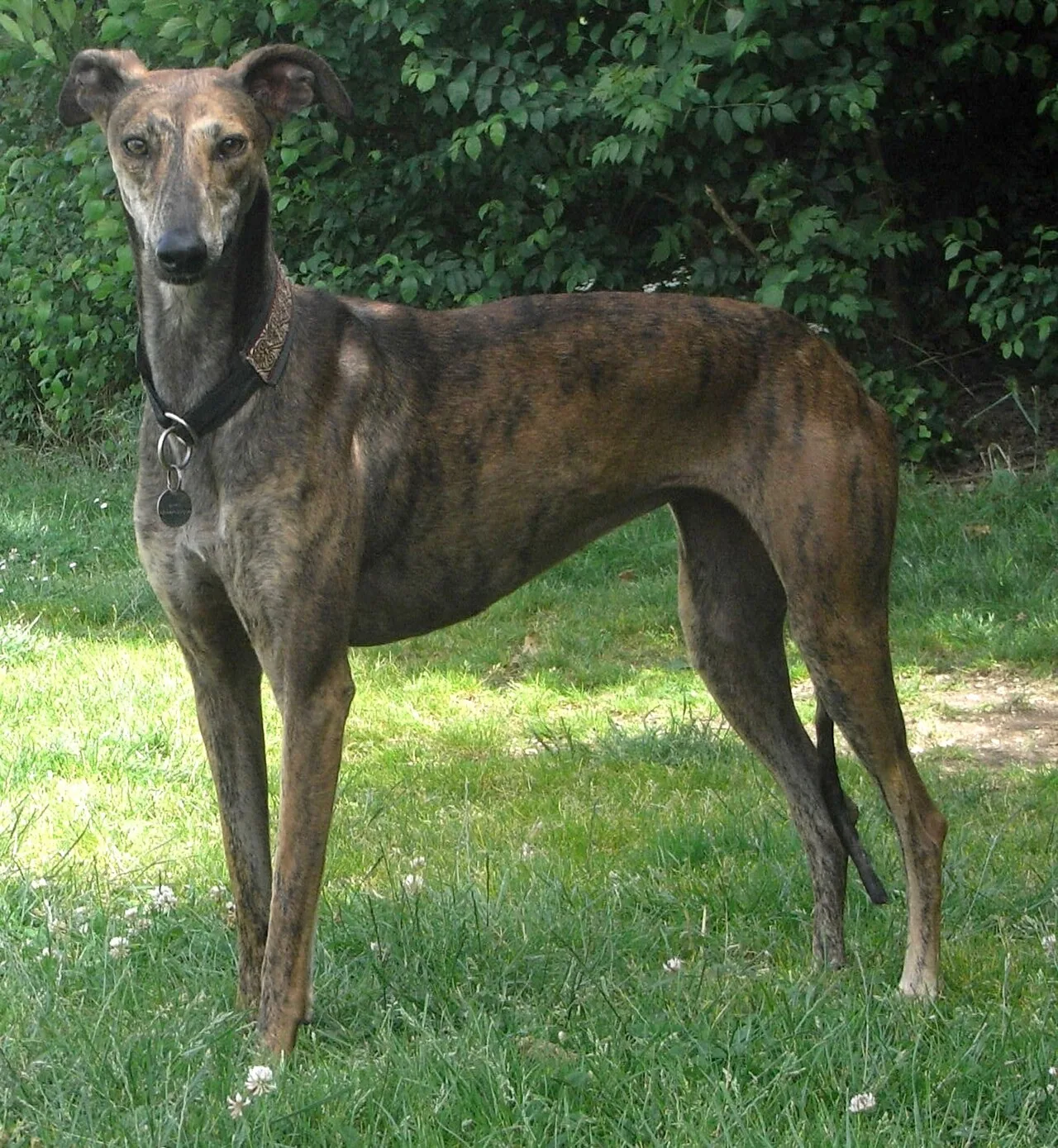
The Galgo is tall, narrow and elegant, a little higher at the rear than at the shoulder, with flat muscling typical of an endurance runner. The head is long and fine, the chest is not very deep and the tail is long.
There are two coat types, smooth and rough. Colours range from brindle, black and golden to cinnamon, red, white and parti-coloured.
Temperament
Galgos are mild, sensitive and often shy with strangers. They tend to be calm and almost cat-like indoors, bonding closely with their people and disliking harsh handling.
Outdoors the chase instinct is strong, so a small animal on the move can trigger a sudden sprint. They usually get on well with other dogs.
Care and exercise
A Galgo needs a daily walk and regular chances to gallop in a securely fenced area; off-lead walking is risky because of its prey drive. Between runs it is happy to sleep on a soft bed.
Thin skin and little body fat mean it feels the cold, so a coat in winter and padded bedding help. Grooming is easy: a weekly brush for the smooth coat, a little more for the rough.
Health
Galgos are generally robust, but like other deep-chested sighthounds they can suffer bloat, and they are sensitive to some anaesthetics. Check for injuries to paws and skin after fast running, and ask a vet who knows sighthounds about their blood values.