Overview
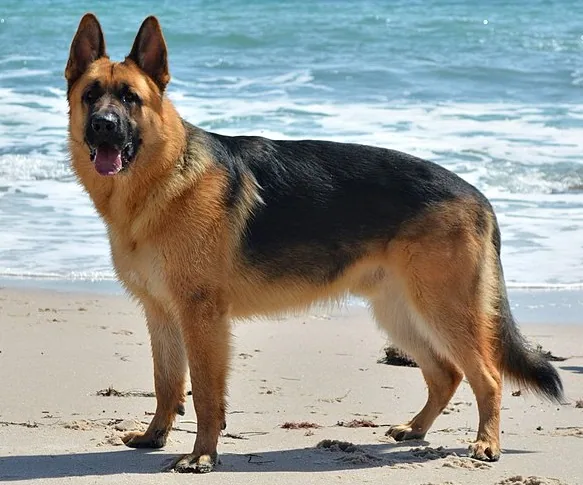
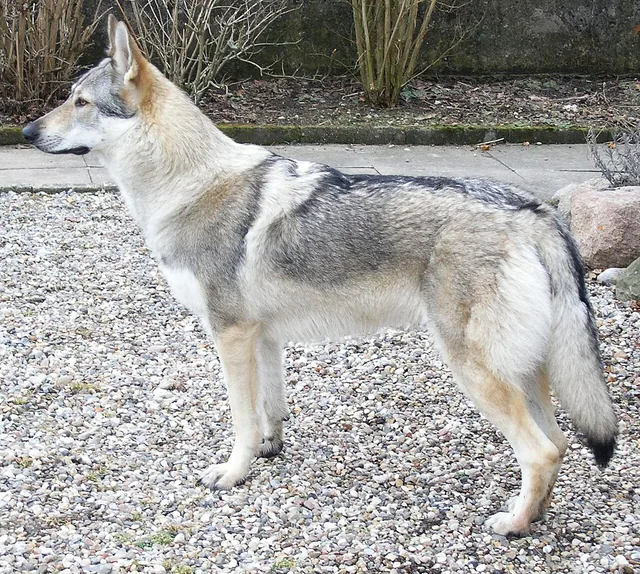
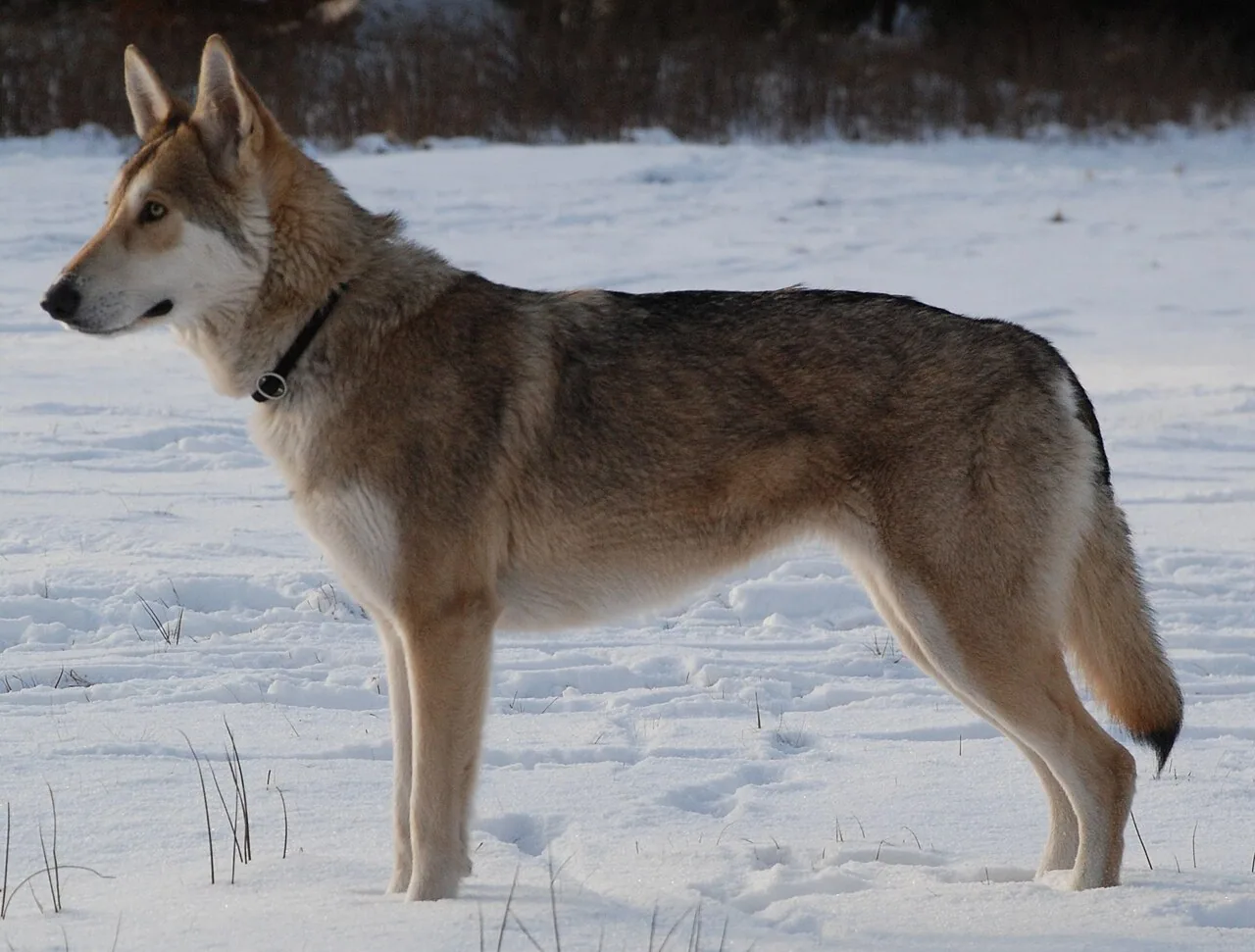
The Saarloos Wolfdog is a strong, athletic dog with a wolf-like head, build and movement. It was created in the Netherlands by crossing German Shepherds with a wolf.
It proved unsuited to working roles but became a companion that stays close to nature. It is reserved and sensitive, and best suited to experienced owners.
History
In 1935 Dutch zoologist and breeder Leendert Saarloos crossed a male German Shepherd with a female Eurasian grey wolf from Siberia, then bred the offspring back to German Shepherds. He hoped to restore natural traits that he felt the German Shepherd had lost.
The dogs were not useful as workers but made fine companions. The Dutch Kennel Club recognised the breed in 1975 and the FCI in 1981. Because the gene pool was small, an outcross programme began in 2012 to improve health and diversity.
Appearance
An athletic, strongly built dog of medium bone with a muscular body and light, elegant movement. The head and expression are wolf-like. The coat is short and dense, giving good weather protection.
Males stand about 65 to 75 cm tall and females 60 to 70 cm, weighing up to 45 kg.
Temperament
The Saarloos is a sensitive, reserved and independent dog, often cautious with strangers and new surroundings. It bonds closely to its family. Thorough socialisation before about twelve weeks of age is essential to produce confident, pro-social behaviour.
Care and exercise
It needs plenty of daily exercise, ideally varied outings, and a patient owner who offers gentle, consistent guidance rather than harsh methods. A secure garden and early, continued socialisation matter.
The short coat is easy to maintain with regular brushing, and shedding is heavier during seasonal moults.
Health
A study found the population to be very closely related, which threatens its vitality and fertility. A controlled outcross programme with several other breeds has been running since 2012 to increase genetic diversity and improve health.