Overview
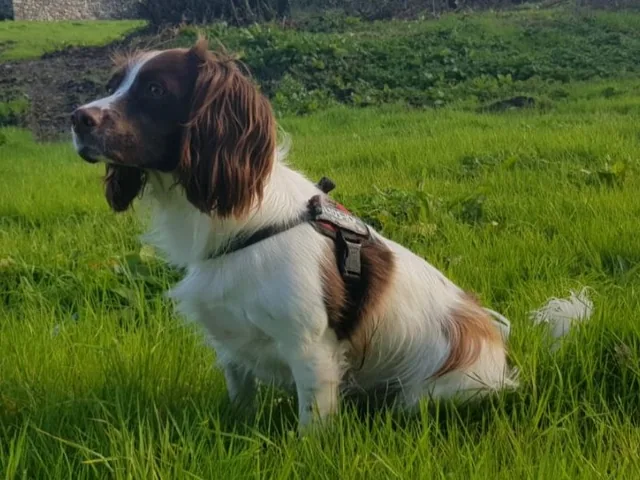
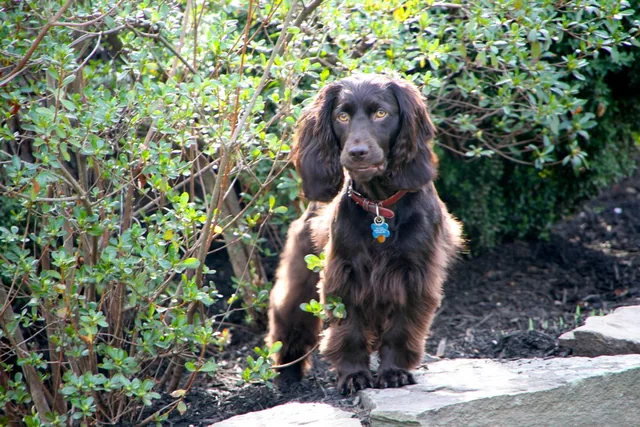
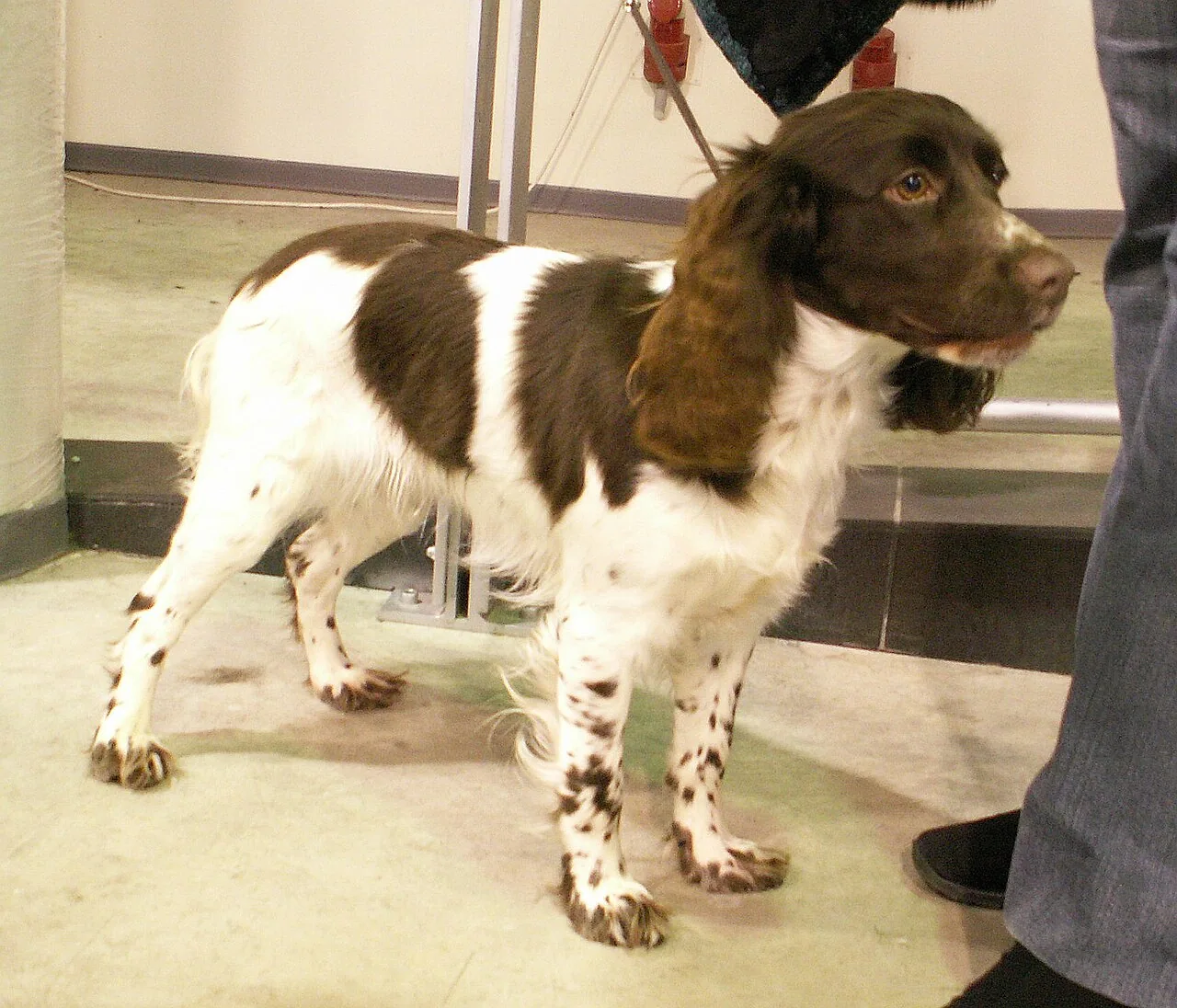
The Russian Spaniel is a small, sturdy gundog with a short, tight, silky coat and feathered ears and legs. It looks like an English Cocker but has a longer body.
It was made to flush and retrieve game birds in marsh, field and wood, and its small size and easy-going nature also suit city life.
History
Spaniels reached Russia in the late 19th century, brought by nobles such as Grand Duke Nicholas Nikolaevich. Small imports struggled in Russian conditions, so longer-legged Springers were added in the early 20th century.
Purposeful breeding after World War II produced the first breed standard in 1951, revised in 1966 and 2000. The breed reached other countries in the 1990s and is the youngest Russian gundog.
Appearance
A compact, sturdy dog about 38 to 43 cm tall and 13 to 18 kg, with a body longer than an English Cocker's. The coat is short, tight and silky with feathering on ears and legs, in solid colours, piebald, speckled or black and tan.
Temperament
Energetic, free-spirited and cheerful, always ready to play and quick to wag its tail at any attention. It is trainable and amiable with children, devoted to its family, and can act as an alert watchdog.
Care and exercise
It needs regular daily exercise and loves swimming and retrieving. The short coat is easy to keep with weekly brushing. Check the long ears for infection and watch its food intake, since it gains weight easily.
Health
Generally healthy. Long ears need regular checks for infection, weight gain is a risk, and some dogs develop food allergies, often to chicken or carrots.