Overview
The Moscow Watchdog is a big, powerful guardian developed in the Soviet Union after the Second World War. It combines the size and amiable nature of the St. Bernard with the alertness of the Caucasian Shepherd Dog.
It is confident and balanced, devoted to its family and watchful with strangers. It is widely shown and recognised in Russia and is slowly gaining followers in Europe.
History
After the war, the Soviet Union needed a guard dog that could cope with temperatures far below freezing and adapt to warehouses, railways and other installations. The Central School of Military Dog Breeding crossed Caucasian Shepherd Dogs, St. Bernards and Russian Pinto Hounds to create it, and the first standard was published in 1958.
The standard was approved by Russian breed bodies in the 1990s. The breed has reached Hungary, where several hundred live, and a first litter was born in the United States in 2015. It is not yet fully recognised by the FCI.
Appearance
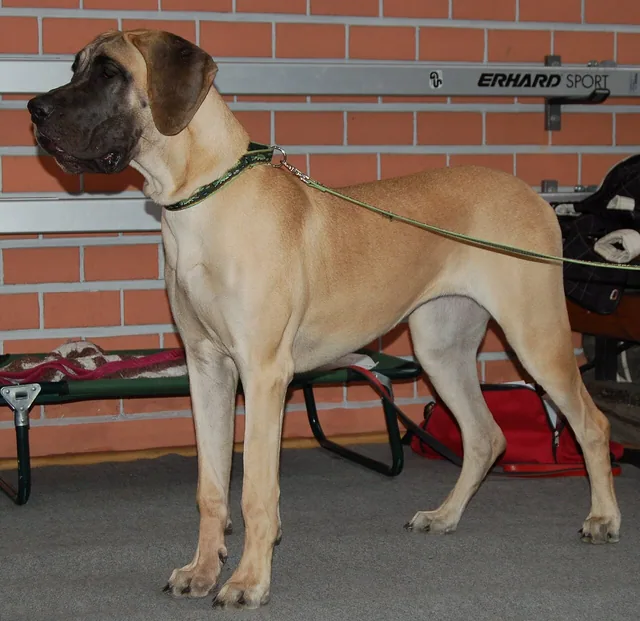
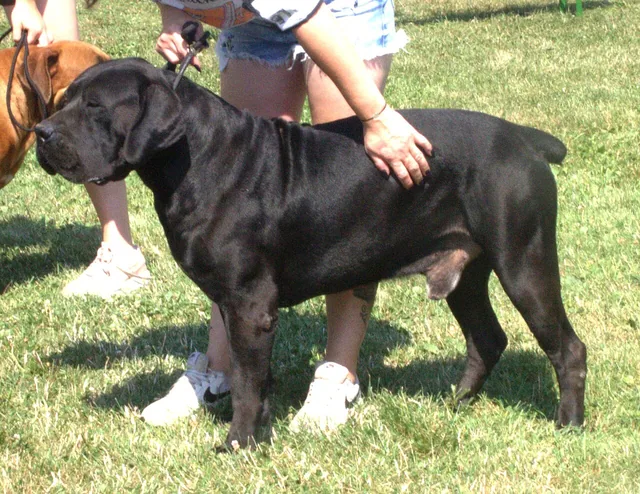
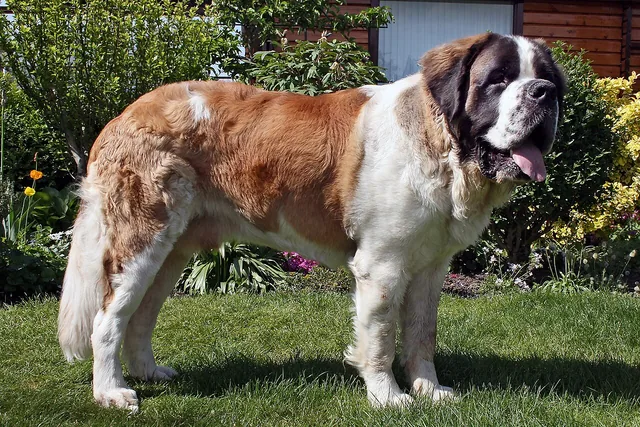
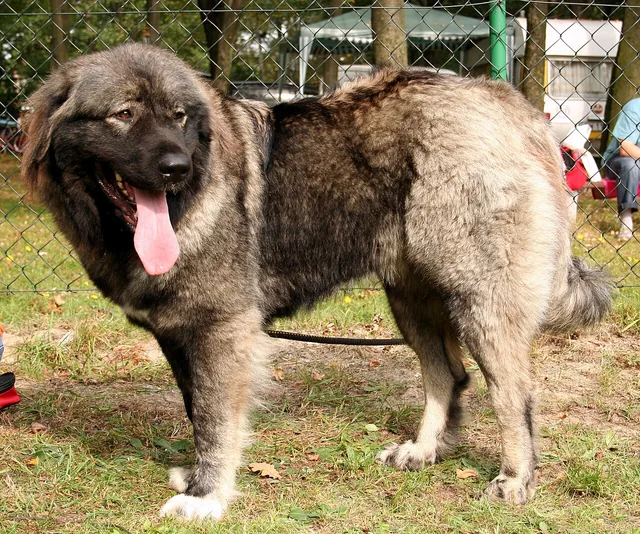
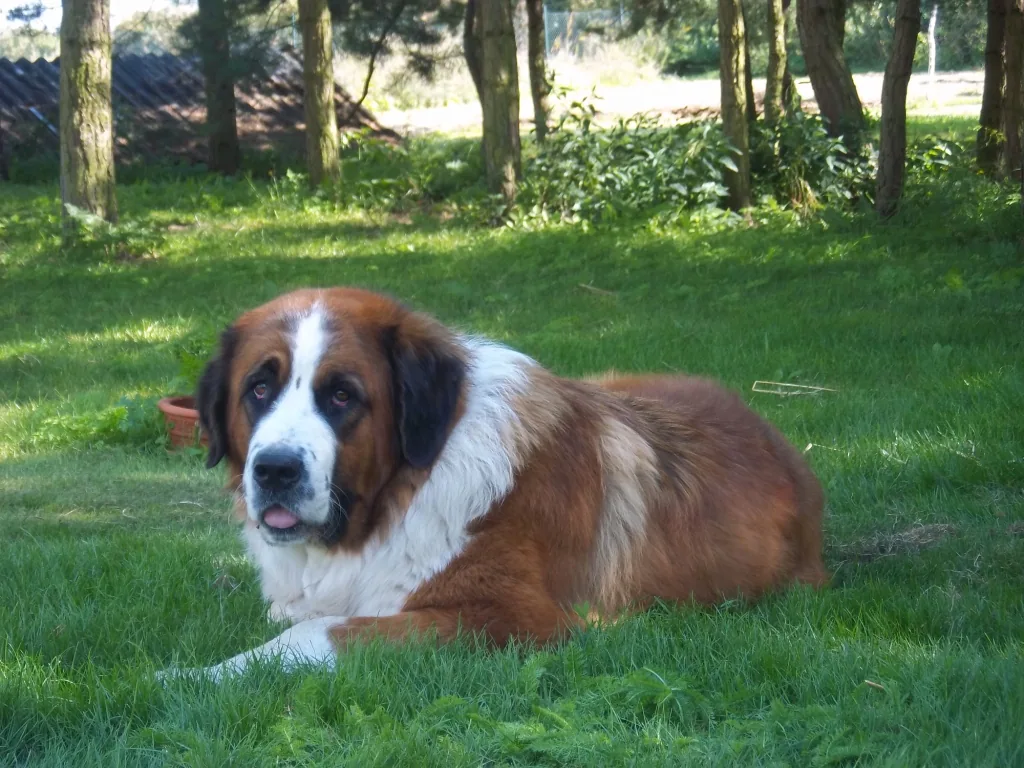
This is a large, powerful dog with a dense double coat that tolerates severe cold. Males should stand at least 68 cm, ideally 77 to 78 cm, and females 72 to 73 cm. Males weigh at least 55 kg and females at least 45 kg.
The coat is red piebald, white with red spots, red-black, black-red or sable-spotted, always with a black mask on the head.
Temperament
The Moscow Watchdog is self-confident and steady, a gentle giant at home that becomes assertive and protective when its family is in danger. It needs early socialisation with people and animals.
With proper training and consistent leadership it adapts well to different surroundings and makes a devoted family guardian.
Care and exercise
A dog of this size needs space, firm but fair training from puppyhood and plenty of socialisation. Daily walks and activity keep it fit, though it is not a hyperactive breed.
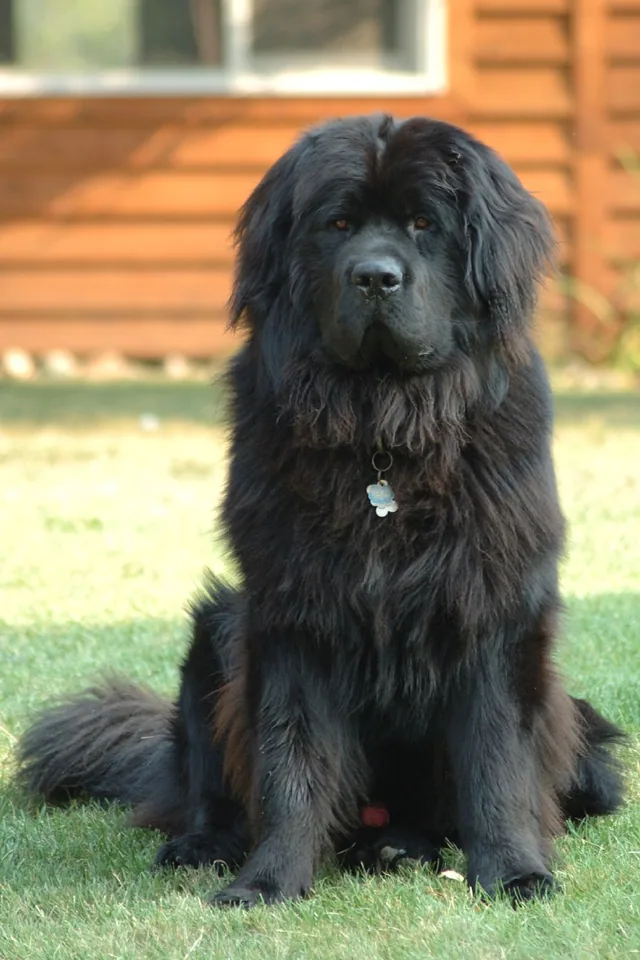
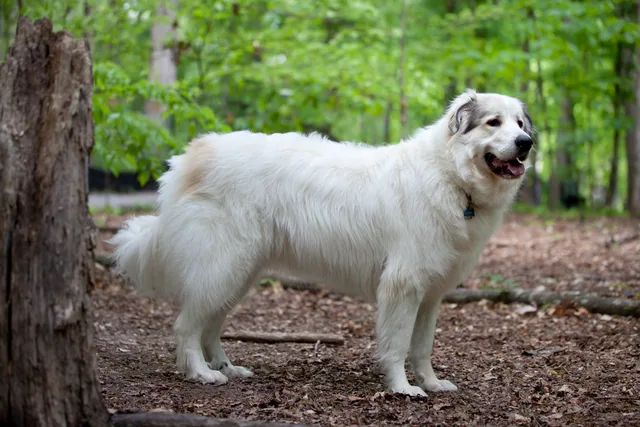
The thick double coat needs regular brushing, especially during heavy seasonal shedding. It copes well with cold but can struggle in hot weather.
Health
Like other giant breeds, it may be prone to joint problems such as hip and elbow dysplasia, so health-tested parents are wise. Keep it lean to protect the joints.