Overview
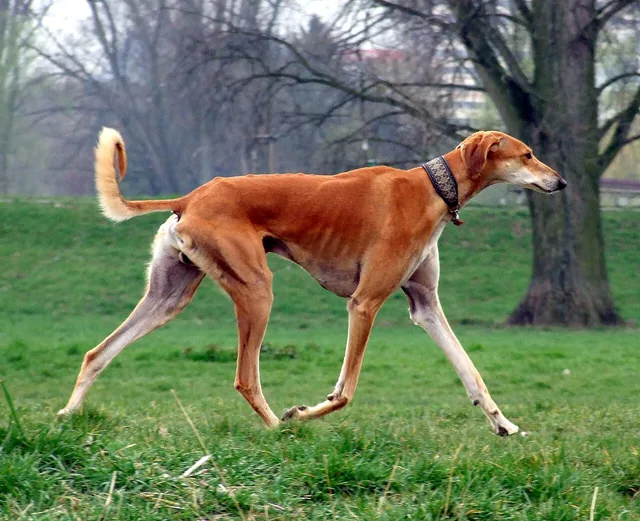
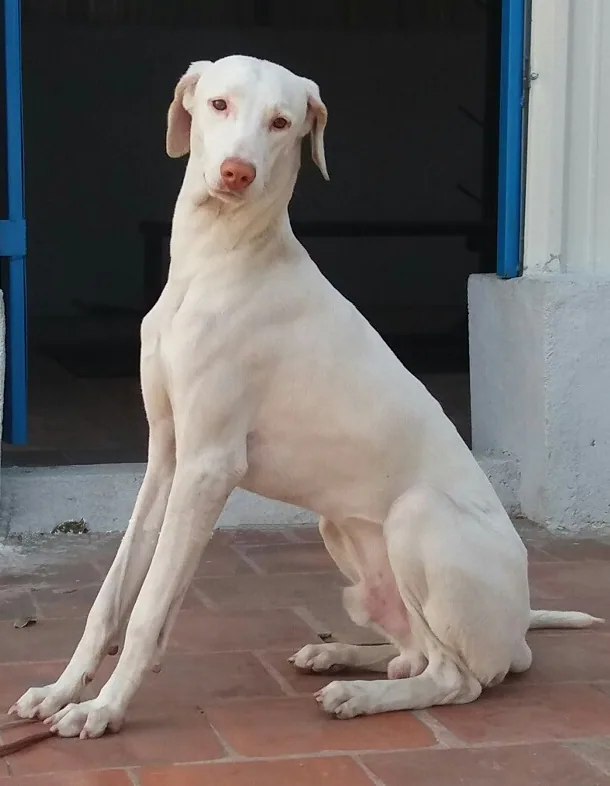
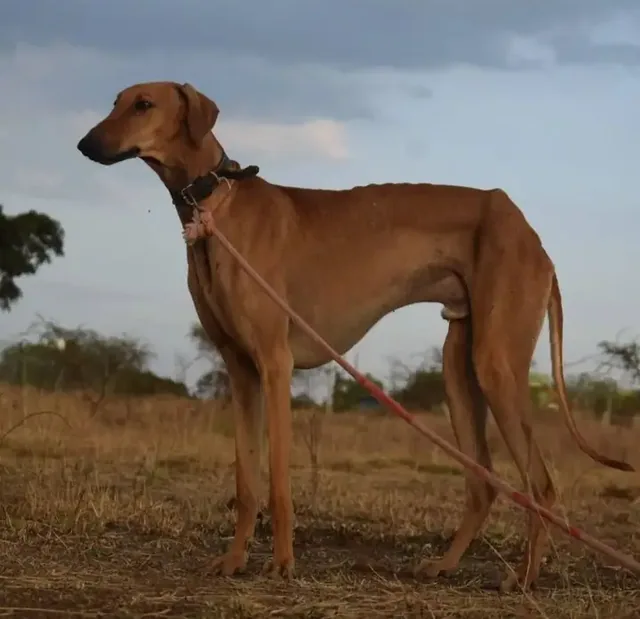
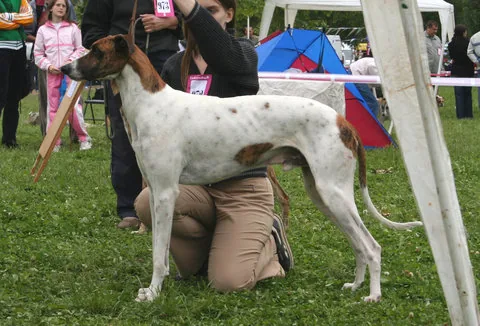
The Magyar agár is a robust Hungarian sighthound, often called the Hungarian greyhound although it is a separate breed. It is longer in body than it is tall and has heavier bone than a Greyhound.
It is gentle and adaptable at home, yet still a capable coursing dog in Hungary, with stamina for long distances.
History
These dogs probably arrived in the Carpathian Basin with the Magyars in the 10th century. They were used to course hare and deer for riders over long distances, running with the hunters for many kilometres a day.
The dogs were not restricted to nobles, although noble-owned dogs were larger. In the 19th century and early 20th century Greyhounds were crossed in, and breeders still debate how greyhound-like the breed should be.
Appearance
The Magyar agár is elegant but rugged, with a wedge-shaped head, strong jaw muscles and a shorter muzzle than a Greyhound. It stands about 64 to 69 cm and weighs 22 to 31 kg.
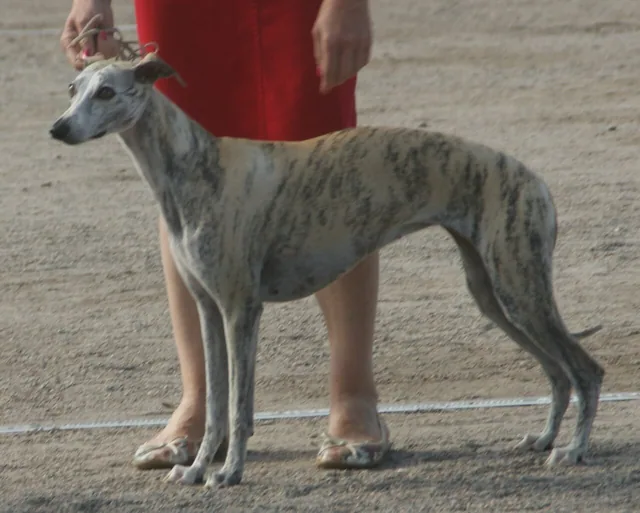
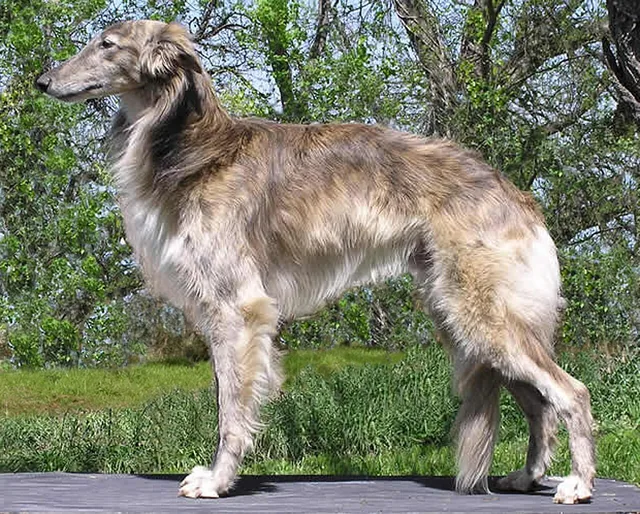
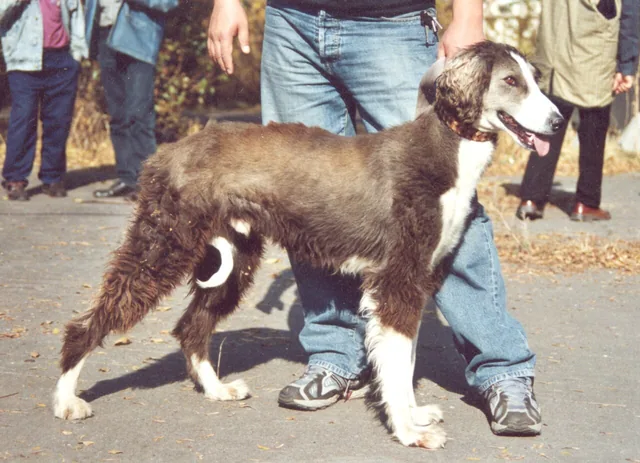
The skin is thick and the coat short, dense and smooth, slightly longer in winter. Rose ears are half raised and the oval eyes have a gentle, bright expression. Many colours are seen.
Temperament
Affectionate and docile, the Magyar agár is unlikely to snap or bite. It is faithful, intelligent and usually easy to train, and it is somewhat reserved with strangers. The guarding instinct is stronger than in many sighthounds.
It is usually good with children and other dogs. Its chase instinct remains, so introduce cats and small animals carefully.
Care and exercise
It adapts well to apartments or kennels if it gets enough exercise and company. Long walks, free running in a safe place and trotting beside a bicycle suit it, and it is rarely keen on ball games.
The smooth coat is easy to care for and tolerates cold better than many short-coated sighthounds. Early socialisation is important.