Overview
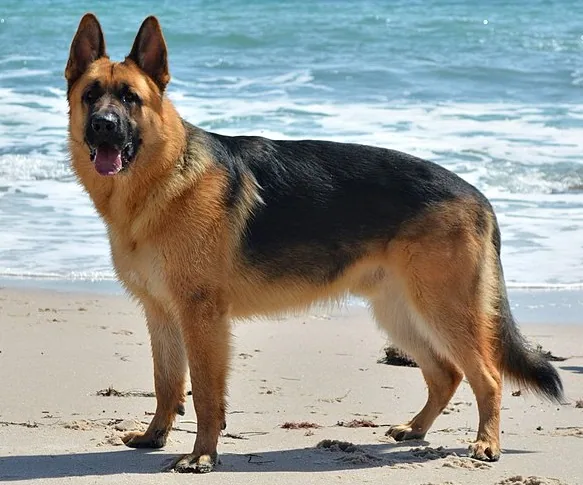
The Lupo Italiano is an Italian breed with a wolf-like look, created by Mario Messi from 1966. He claimed it came from a German Shepherd crossed with an Italian wolf.
It is not recognised by the national kennel club, and its care is overseen by a non-profit association that leases dogs to volunteers, police and rescue groups instead of selling them.
History
According to Messi, the breed began in 1966 with a hybrid named Zorro, born from a female Italian wolf and a male German Shepherd, then bred onward with German Shepherds. The project grew into a large breeding facility near Cumiana, and the experimental phase was declared complete in 1984.
The project suffered repeated funding crises and welfare complaints, and the facility was seized in 1992. In 2010 management passed to the AAALI, which now selects and rears the dogs.
Studies in 2007 and 2017 found no meaningful wolf ancestry, only close kinship with the German Shepherd.
Appearance
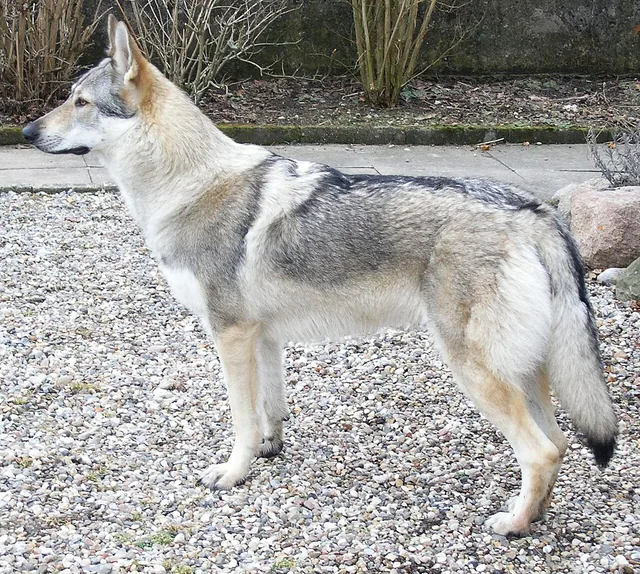
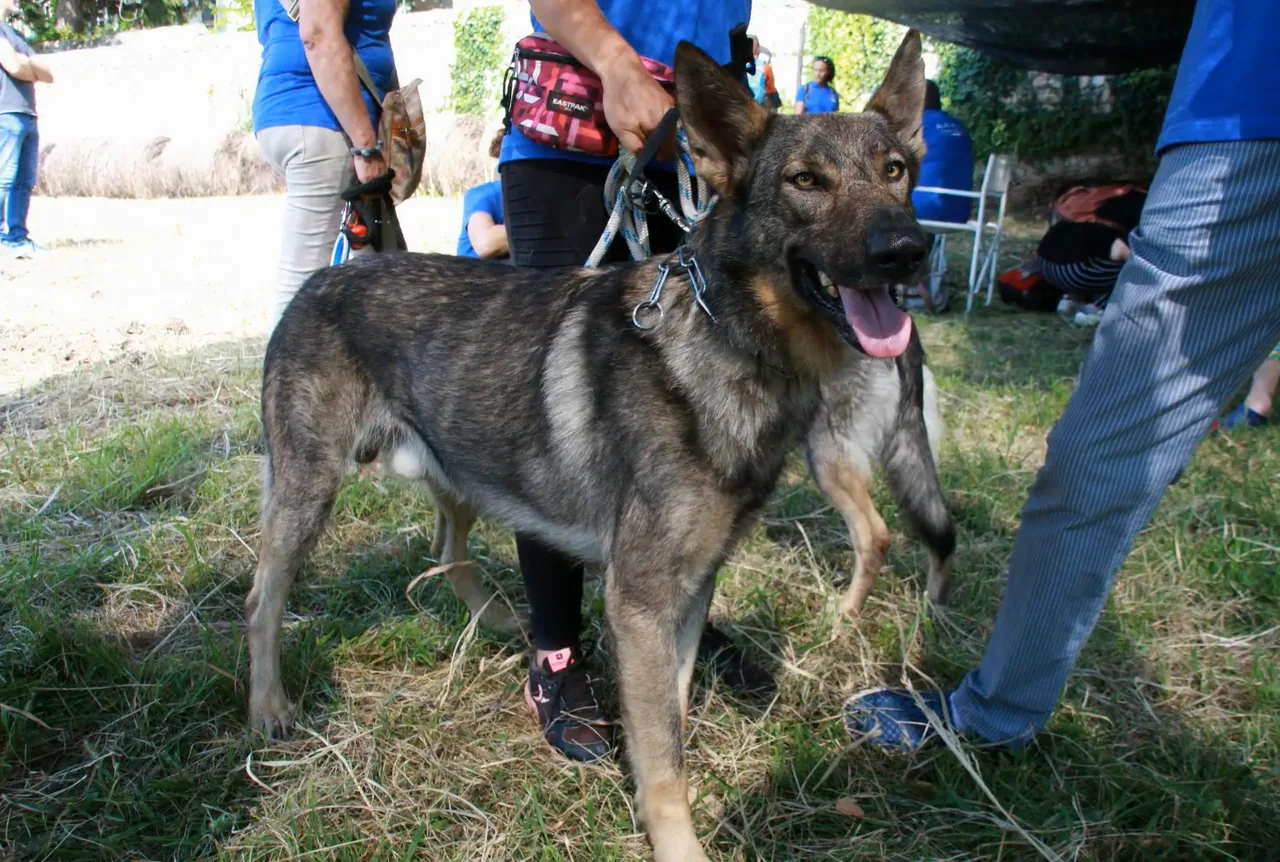
The Lupo Italiano stands about 58 to 68 cm at the shoulder, with a wolf-like muzzle, strong jaws and pointed ears of medium length. The eyes are ideally golden and oblique.
The chest is robust, the step light and the tail long and hanging, with a slight curve when raised. The coat is grey with fawn or beige shades, though full black or a white chest patch is allowed.
Temperament
The breed is bred to be alert, agile and suited to work with people, and it has been used for rescue and assistance roles. Dogs are placed with volunteers, police and search and rescue organisations rather than ordinary pet homes.
Care and exercise
As a large, athletic working dog it needs plenty of daily exercise, mental work and firm, kind training. Because it cannot be bought, the dogs are placed only with approved caregivers.