Overview
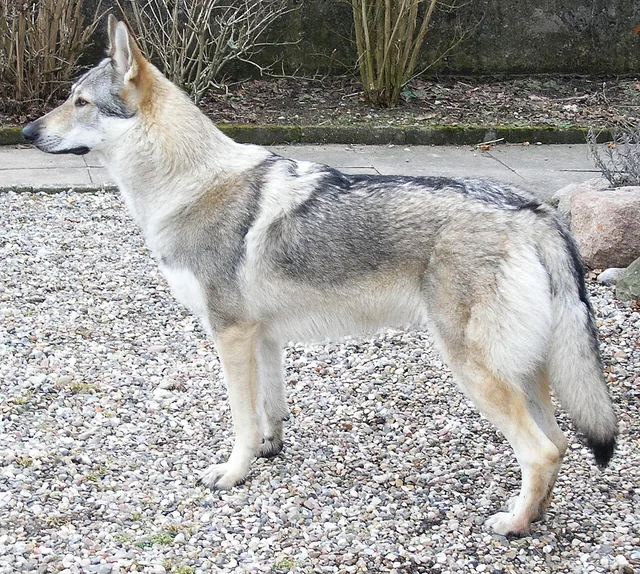
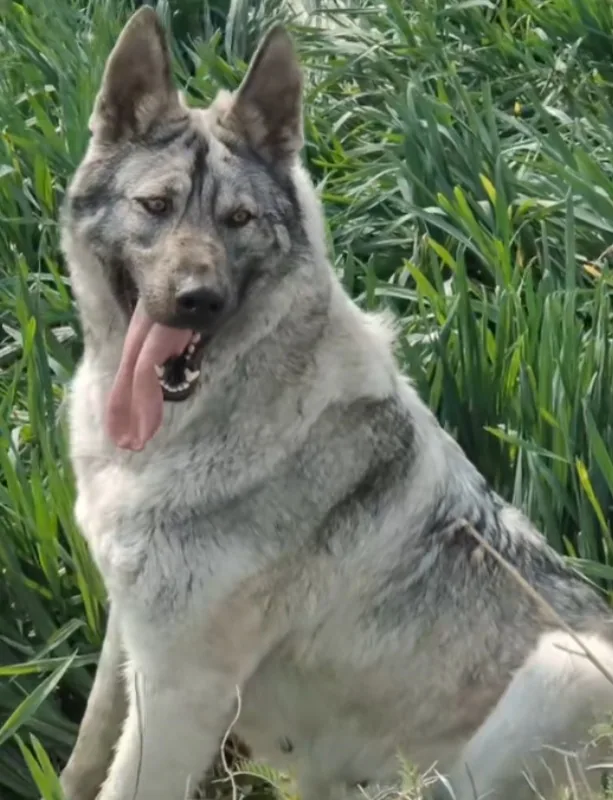
The Langqing Quan, also called the Chinese Langqing Dog, is a wolf-like dog found widely across northern China. Its name refers to the grey-blue, steel-toned coat that gives the dog its look.
It is best understood as a regional type of working dog rather than a standardised breed. Size varies from region to region, and breeders have also created newer lines by crossing it with other large breeds.
History
The dog grew out of long interbreeding between native northern Chinese dogs and local wolves, helped along by human selection over many generations. Because so much of this happened naturally and without records, its exact origins are hard to trace.
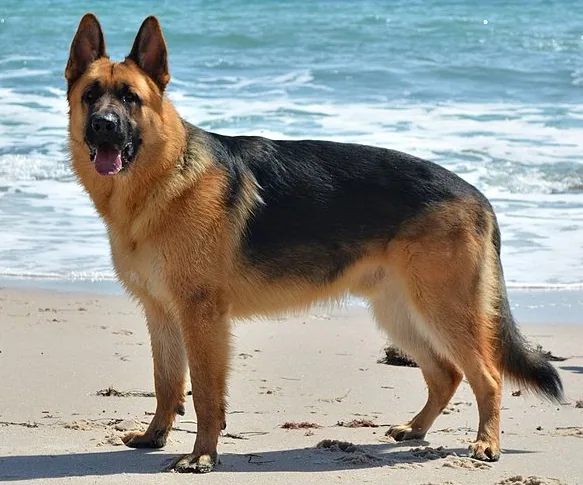
The name Langqing was fixed around 1950, based on its distinctive coat. A popular story says the Japanese army used these dogs in wartime, but this probably comes from confusion with German Shepherds that Japan imported from kennels in Qingdao and Shanghai. Since the late 19th century, breeders in China have also crossed it with German Shepherds, Great Danes and wolfdogs, which is why people speak of Old and New Langqing.
Appearance
This is a large dog with the lean, powerful build of a wolf. The eyes are yellowish brown or dark brown. The coat comes in iron blue, blue-grey, grey-white and grass yellow shades.
Size depends on where the dog lives. Males usually stand 75 to 85 cm at the shoulder and females 70 to 75 cm. The larger Hebei dogs can reach 88 cm or more, while some regional dogs are noticeably smaller, around 61 to 71 cm.
Temperament
The Langqing Quan is sharp, agile and very sensitive, with an excellent sense of smell. It bonds closely with its owner and guards fiercely, and it keeps its distance from strangers.
It is adaptable, tough and easy to tame, and it is not fussy about food. Its watchful, forceful nature means it needs an experienced, confident handler and careful socialisation.
Care and exercise
This is a working dog that needs plenty of space, daily activity and a job to do. It suits farms, estates and other places where guarding is wanted, rather than small flats.
Early, steady socialisation and consistent training are important because of its wary, protective nature. Feeding is simple, as it is not a picky eater, and coat care is basic.