Overview
The Lakeland Terrier takes its name from the Lake District in northern England, where it worked on farms against foxes and other vermin. It is the smallest of the long-legged black and tan terriers.
Today it is a lively, confident companion and a show-ring favourite, though it is a vulnerable breed in the United Kingdom because relatively few puppies are born each year.
History
Lakelands descend from older working terriers of northern England, including the old English Black and Tan and the Fell Terrier. They were kept by hill farmers to go to ground after foxes that threatened lambs.
The terrain was too rocky for hunting on horseback, so foxes were followed on foot and the dogs needed real stamina. Fox Terrier and Airedale blood helped shape the modern look in the 1920s. Kennel clubs recognised the breed in the 1920s and 1930s, and Lakelands have won Best in Show at both Crufts and Westminster.
Appearance
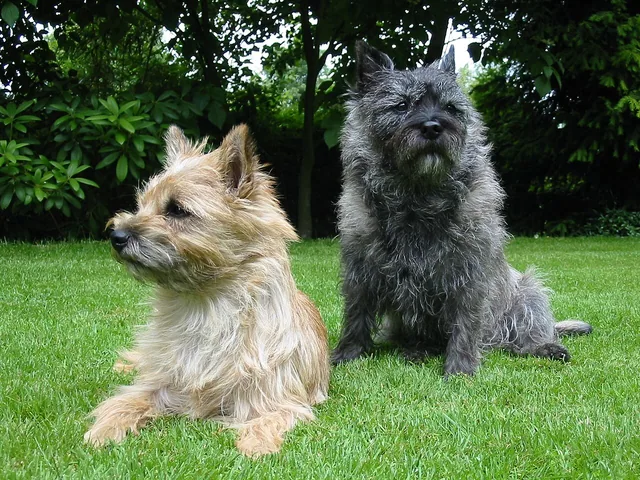
This is a sturdy, narrow-chested, square-looking small dog with a broad muzzle, small V-shaped ears and a tail carried upright. It is finer-boned than the Welsh Terrier. The eyes are small and dark.
The outer coat is thick, harsh and wiry over a soft undercoat. Many colours are accepted, from black and tan to red, wheaten, liver and blue.
Temperament
Lakelands are friendly, bold and self-assured, rarely shy and not usually aggressive with people. They are clever and independent, which can show up as a selective ear when something more interesting appears.
As with most terriers they are energetic and happiest when busy. They tend to chase small animals, and some can be assertive with other dogs.
Care and exercise
Expect a daily walk and some playtime or a job such as agility or earthdog games. A secure garden is important, since a Lakeland will follow a scent or dig its way out.
The wiry coat needs regular brushing and, to keep its texture, hand stripping or trimming a few times a year. Properly groomed, it sheds very little.
Health
The breed is generally healthy and long-lived; a UK study found an average lifespan of about 14 years. Eye problems and some inherited conditions can appear, so choose a breeder who health-tests.