Overview
The Huntaway is a large, deep-chested working dog developed in New Zealand to muster sheep across rough, steep, unfenced country. It drives stock forward with a deep, repeating bark, rather than the silent eye of a typical heading dog.
It is defined by working ability, not appearance, and is a demanding dog that needs real work and space.
History
The breed grew from the demands of New Zealand high country stations, where teams of dogs had to cover huge distances for days. British sheepdogs that used their voice were crossed with other types offering size, stamina and a steady bark, though the exact lineage is unknown.
Huntaways appear in trial classes by the 1870s and in advertisements in the 1880s. The New Zealand Kennel Club recognised the breed in 2013, the first New Zealand-origin breed it accepted.
Appearance
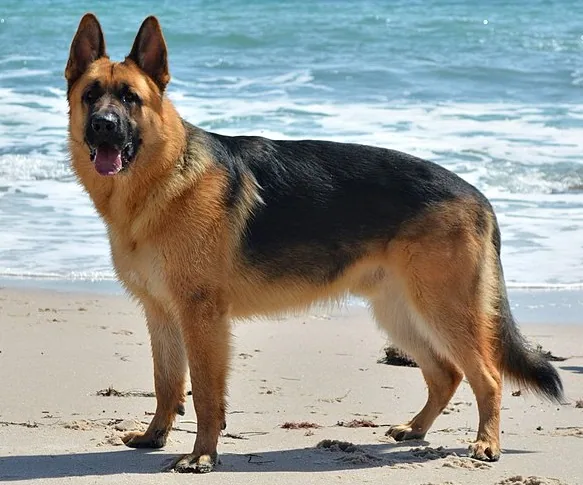
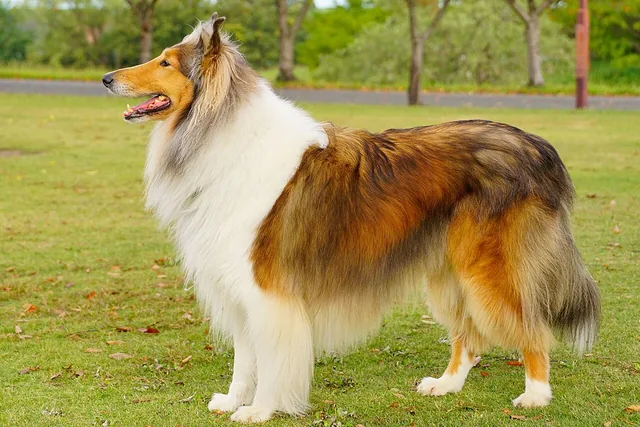
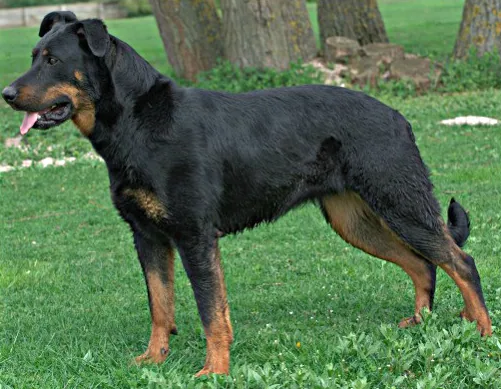
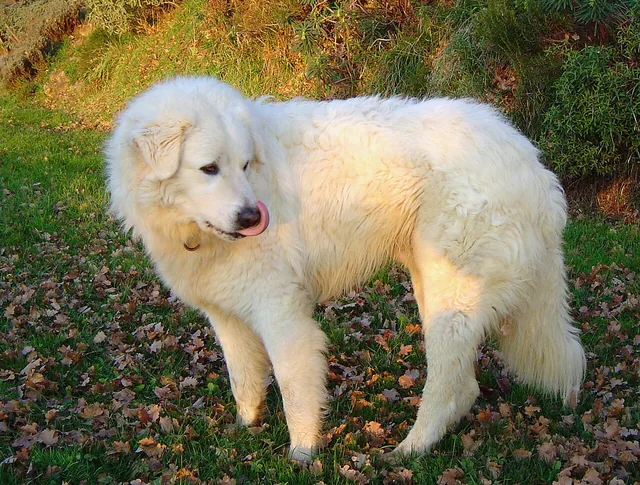
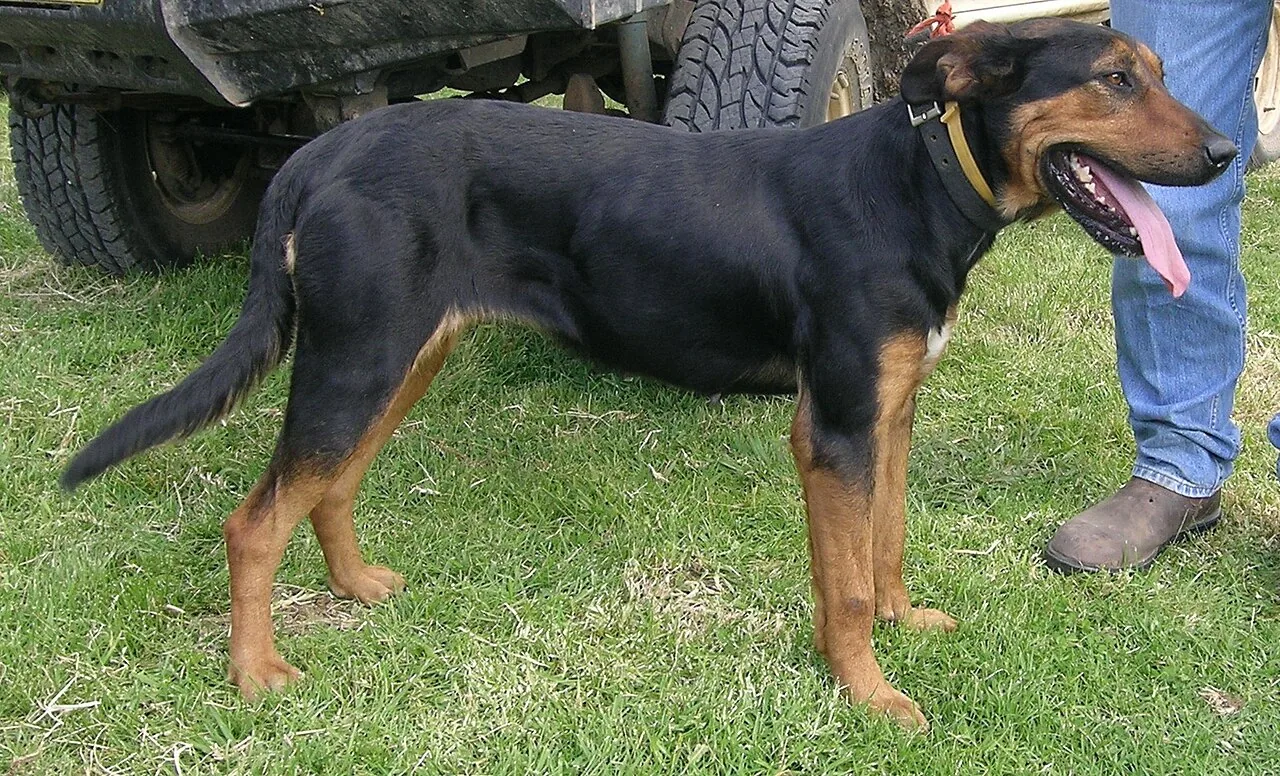
A large, strongly built, deep-chested dog with floppy ears. Coats may be smooth, rough or grizzly, and the usual colour is black and tan, sometimes with white or brindle.
There is no fixed type, as dogs are selected on work and size and height varies within the stated range.
Temperament
Huntaways are intelligent, agile and extremely stamina-driven, and they respond to voice commands and whistles at long range. They are famously noisy when working, with a deep bark that can be sustained for hours.
They are generally friendly, biddable dogs but are bred for a job and not suited to idle life.
Care and exercise
They need very large amounts of exercise and real work or intensive sport. They are not well suited to flats or to owners who cannot give daily vigorous activity, and the sheepdog trial association advises against keeping one solely as a pet.
The coat is easy to care for with weekly brushing.
Health
Some inherited conditions have been found, including mucopolysaccharidosis, sub-aortic stenosis, black hair follicular dysplasia and fetal anasarca. A possible predisposition to dilated cardiomyopathy has also been noted.