Overview
The Rhodesian Ridgeback is a large, athletic hound developed in southern Africa. Its most recognisable feature is the ridge of hair along the back that grows against the lie of the rest of the coat.
It is a dignified, loyal companion with plenty of stamina. It suits active owners who can offer firm, fair training and regular exercise.
History
The breed's roots lie with the ridged hunting and guardian dogs of the Khoikhoi people of the Cape. European settlers crossed these dogs with imported hounds and mastiff types, producing tough farm and hunting dogs often called boer hounds.
In Rhodesia, hunters bred them further to harass and hold lions until the hunter arrived. The first standard was written in Bulawayo in 1922 and was approved in South Africa in 1927. The breed reached Britain in the late 1920s and the United States in 1950.
Appearance
A strong, muscular and well-balanced dog with a deep chest and a clean, athletic outline. Males stand roughly 63 to 69 cm, and females are a little smaller.
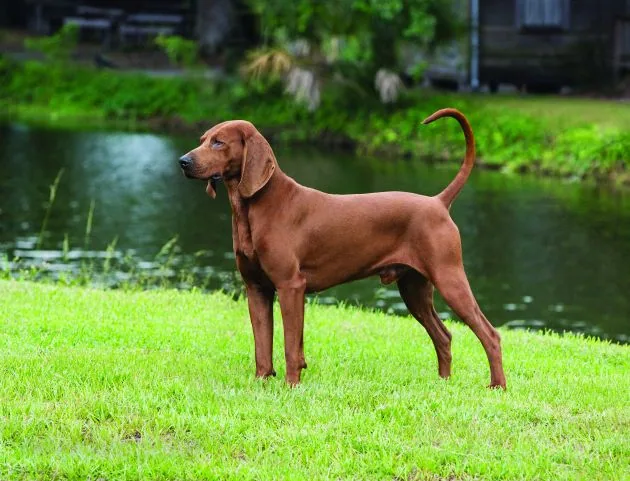
The short, glossy coat ranges from light to red wheaten. The ridge forms a tapering fan with two matching whorls, called crowns, behind the shoulders. A dark mask is common, and a little white on the chest and toes is allowed.
Temperament
Ridgebacks are loyal, intelligent and quietly dignified. They are usually aloof with strangers without being aggressive, and they bond closely with their family.
They can be independent and strong-willed, so they need early socialisation and consistent, kind training. They are gentle with children they know but can be boisterous because of their size.
Care and exercise
This is an energetic breed that needs substantial daily exercise, such as long walks, running and play in a secure area. Without it, a bored Ridgeback may become destructive.
Grooming is easy: a weekly brush with a rubber mitt is enough. They do not tolerate cold well and prefer to live indoors with their family.
Health
Dermoid sinus, a skin defect along the ridge, is specific to the breed, and responsible breeders screen for it. Hip and elbow dysplasia, hypothyroidism and deafness can also occur. Like other deep-chested dogs, they can suffer from bloat.