Overview
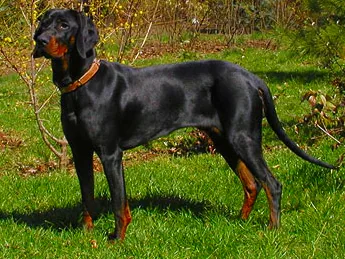
The Gończy Polski is a medium-sized hound from Poland, typically black and tan. It is a smaller relative of the Ogar Polski and nearly disappeared after the Second World War.
Bred to track large game in forests and hills, it is sturdy, athletic and needs little grooming, making it a good match for active owners.
History
Poland has used hunting dogs for centuries, with written mentions going back to the 12th century. The Gończy Polski was used mostly in the eastern, hilly and difficult parts of the country, where its energy and endurance were an advantage.
The breed almost died out after World War II. Breeders such as Józef Pawlusiewicz helped rescue and register it. The FCI recognised it in 2017 and The Kennel Club in 2024.
Appearance
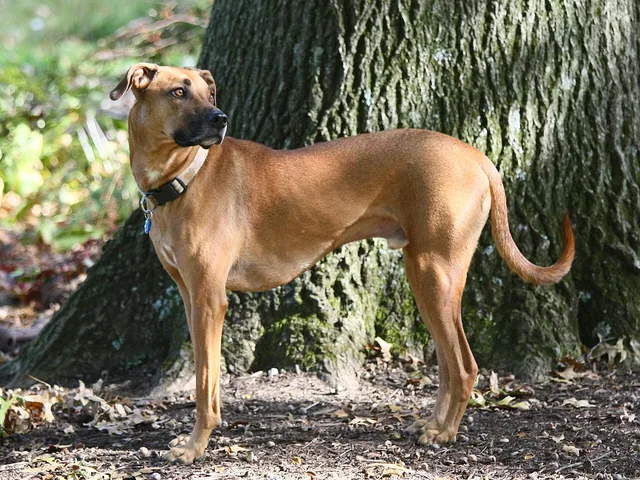
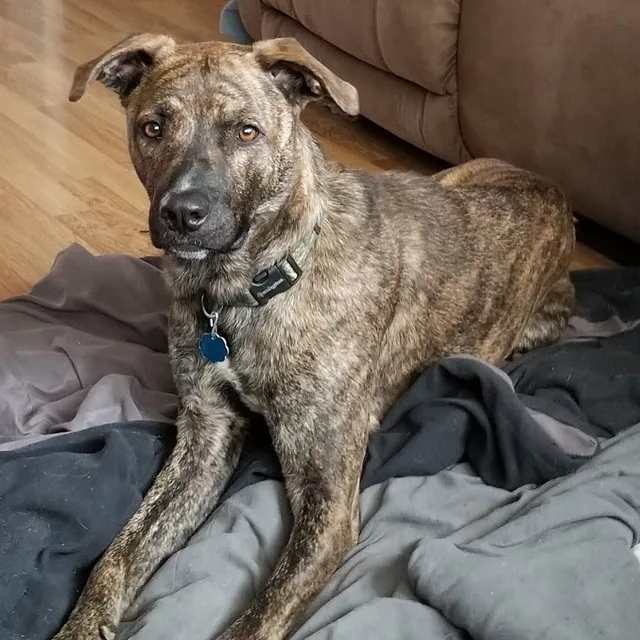
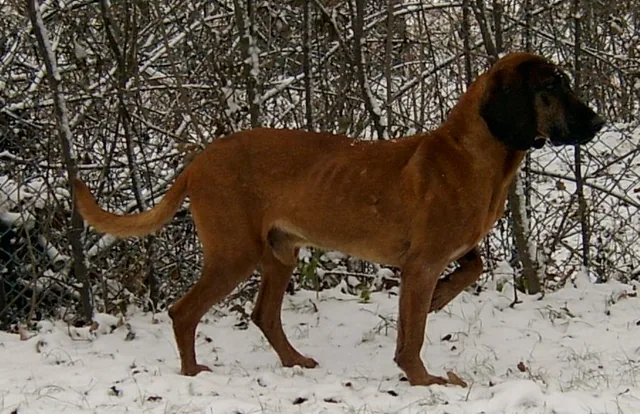
A medium, athletic hound, usually black and tan, with a sturdy build suited to rough ground. Males are noticeably larger than females.
The coat is short and dense and needs little care. The overall look is of a workmanlike, balanced scenthound.
Temperament
Brave and capable, the Gończy Polski is not aggressive but is distrustful of strangers. It has a loud bark, usually higher pitched in females.
With good socialisation it gets on with children and other pets, though it may prefer to be the only dog. It can be dominant, so training needs to be calm, confident and consistent.
Care and exercise
This active hound needs lots of exercise and room to roam, ideally in a home with a secure garden. It can adapt to varied living arrangements if its exercise needs are met.
Grooming is minimal: a weekly brush is enough. Keep it safely contained, as its nose may lead it away.
Health
Generally hardy. The population is small with low genetic variation, so responsible breeding is needed to avoid inbreeding related disease.