Overview
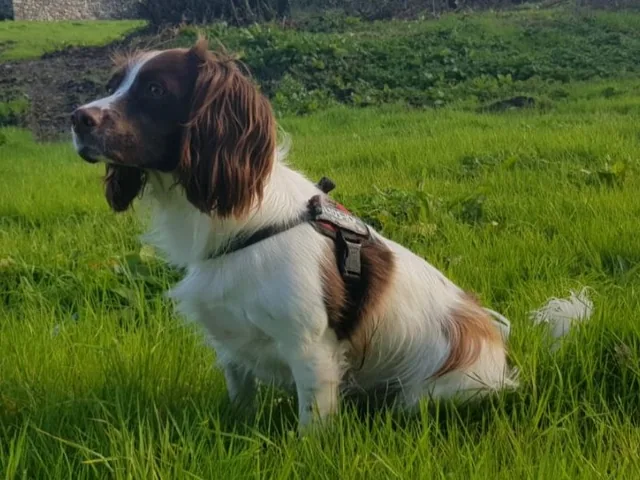
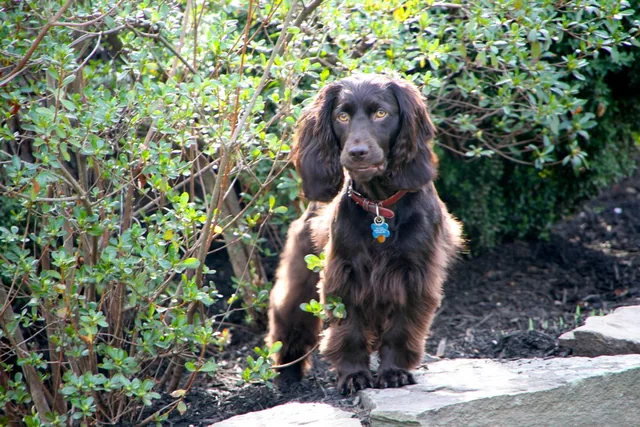
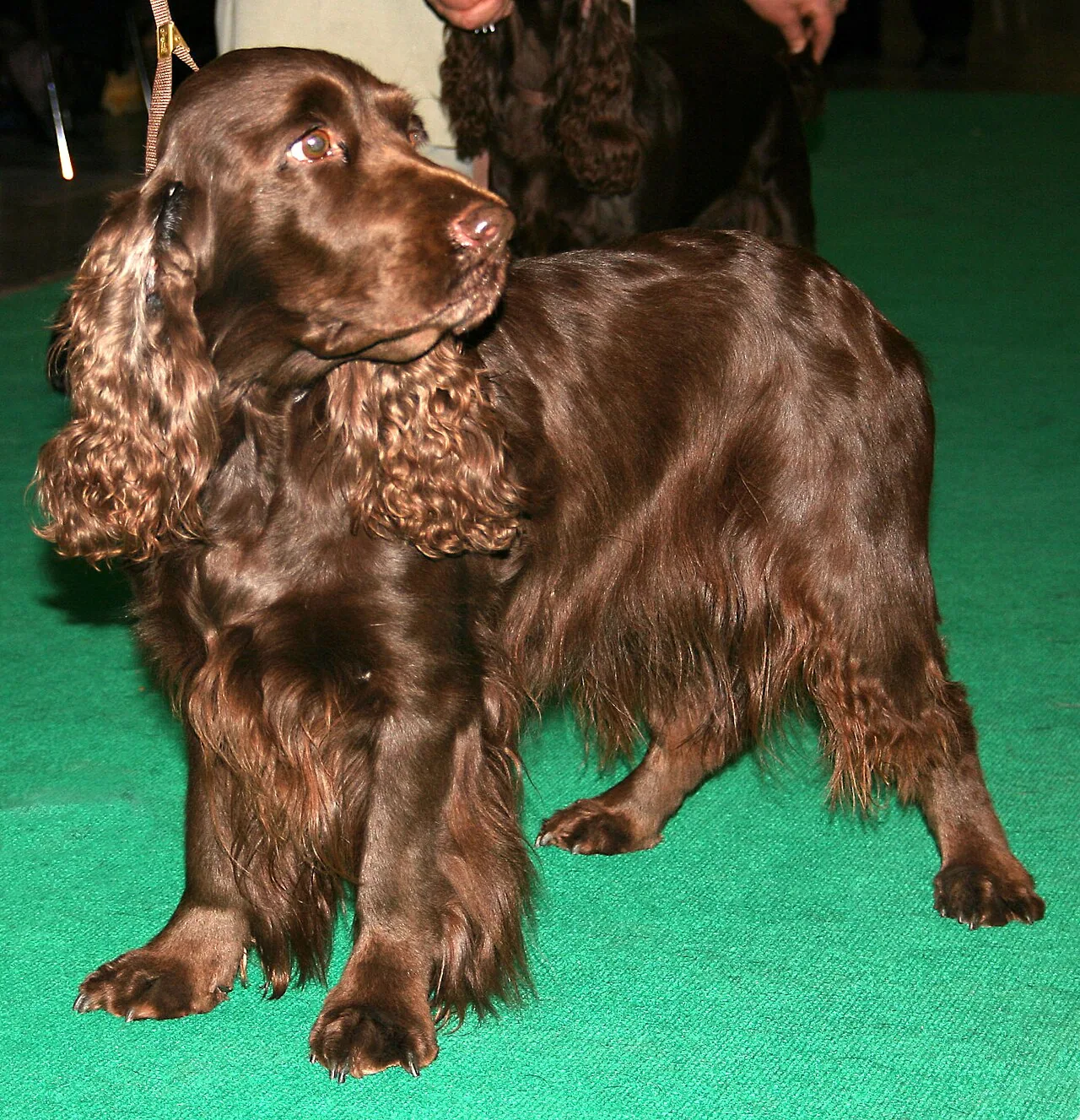
The Field Spaniel is a medium-sized spaniel, sitting in size between the English Cocker and the English Springer. It is known for its dark, solid-coloured coat and calm, inquisitive character.
It is one of Britain's rarer native breeds and is listed as a Vulnerable Native Breed by The Kennel Club. It suits active families who want a steady, affectionate dog.
History
The breed began in the late nineteenth century as breeders sought an all-black show spaniel. The result was often a long, low dog that moved poorly through cover and was dull to hunters, so it never found favour in the field.
By the mid-twentieth century, breeders used English Springer Spaniels to bring back soundness and longer legs, producing the practical dog seen today. Most modern dogs trace to a handful of 1950s animals. Numbers remain low, even in the UK.
Appearance
A well-balanced, moderately sized spaniel about 46 cm tall, weighing 18 to 25 kg. The head is noble with a clean outline, and the ears are long and feathered.
The moderately long, silky single coat has no undercoat and has feathering on the chest, belly, ears and the back of the legs.
Temperament
Active and curious, the Field Spaniel is generally calmer and less excitable than a Cocker. It bonds closely with its family, is patient with children and usually friendly with other dogs when well socialised.
It is independent and sensible but can become bored and destructive if left alone for long periods.
Care and exercise
It needs daily exercise and mental stimulation, enjoying walks, scent work, agility and fieldwork. Plan for a good hour or more of activity each day.
Brush several times a week to prevent mats, especially in the feathering, and check and clean the ears regularly.
Health
Eye conditions such as cataracts, retinal atrophy and retinal dysplasia occur, and hip dysplasia has been seen in British lines. Eye tests and hip scoring are recommended for breeding dogs. Cancer is a leading cause of death.