Anthropic's Claude autonomously identified a previously uncharacterized enzyme system called array-associated reverse transcriptases (ART), found mainly in bacteriophages. The system pairs a reverse transcriptase enzyme with an accessory protein of unknown function and a long array of evenly spaced DNA repeats that structurally resembles a CRISPR array.
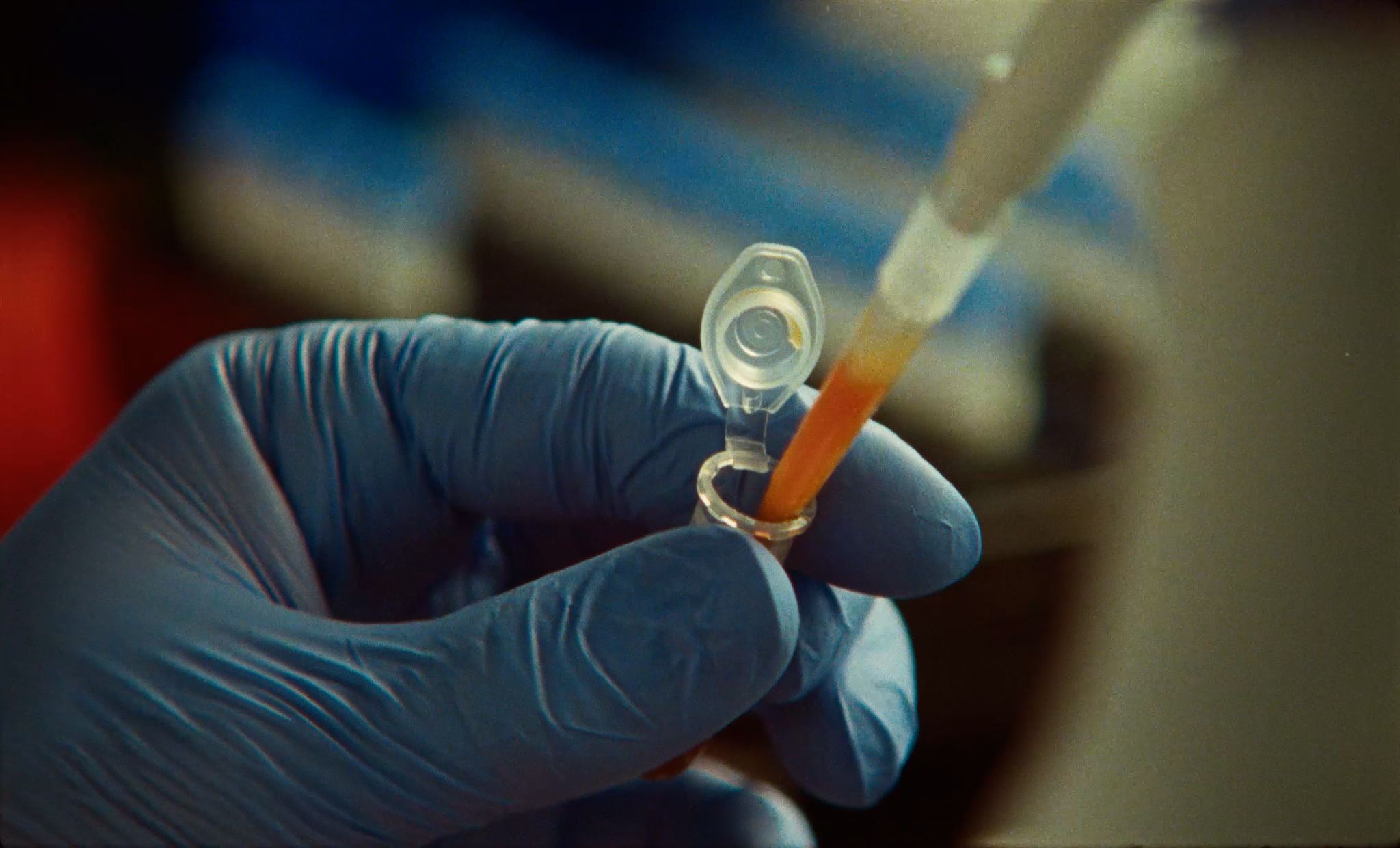
About 950 Claude agents ran for 21 hours, consuming 210 million tokens, to search a database of roughly 1.9 billion protein clusters. They narrowed over 200,000 candidate enzymes down to 3,500 families and then 20 finalists before human scientists in Anthropic's Bay Area life-sciences lab ran physical experiments. Early results suggest the DNA array produces distinct short RNAs, hinting the system could be programmable like CRISPR.
Anthropic has not yet determined ART's biological function and is inviting outside researchers to propose follow-up experiments. CRISPR pioneer Feng Zhang called it "an exciting example of how AI agents can contribute to biological discovery."