The European Commission presented its proposed "EU Kids Act" on September 17, restricting how children access social media, video games and AI chatbots. The plan uses a tiered age system: children under three are barred entirely from social media and other high-risk services, those aged three to 13 can use only child-friendly services under adult supervision, and 13-to-15-year-olds get restricted "mini accounts" with parental controls and daily time limits of up to one hour. Teens 15 to 18 gain full access but platforms remain bound by mandatory safety-by-design rules.
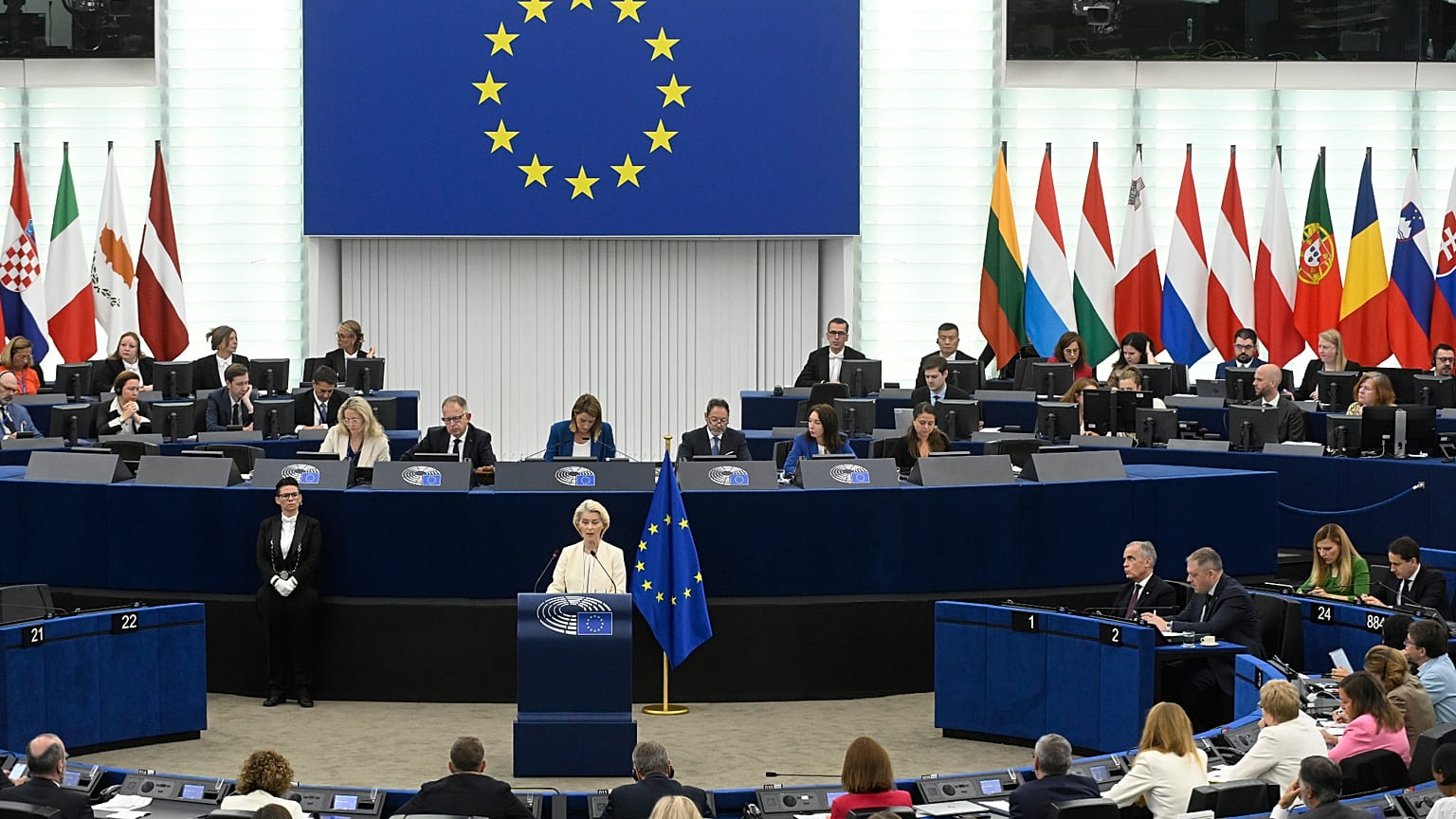
The draft explicitly bans manipulative design patterns blamed for compulsive use, including infinite scrolling, artificial notifications, and engagement-driven reward mechanisms. Recommender algorithms must avoid steering minors into "rabbit holes," risky settings must default to off, and minors' accounts must be private by default. Commission President Ursula von der Leyen said: "We do not have to accept addictive features... no social media under 13," adding that only supervised mini accounts will be allowed from 13 to under 15.
Platforms deemed systemically risky will need Commission authorization before rolling out features that affect children, and companies will have to actively demonstrate compliance rather than simply self-certify. The proposal still needs approval from EU member states and the European Parliament before it can become law, and the draft could change during that process.