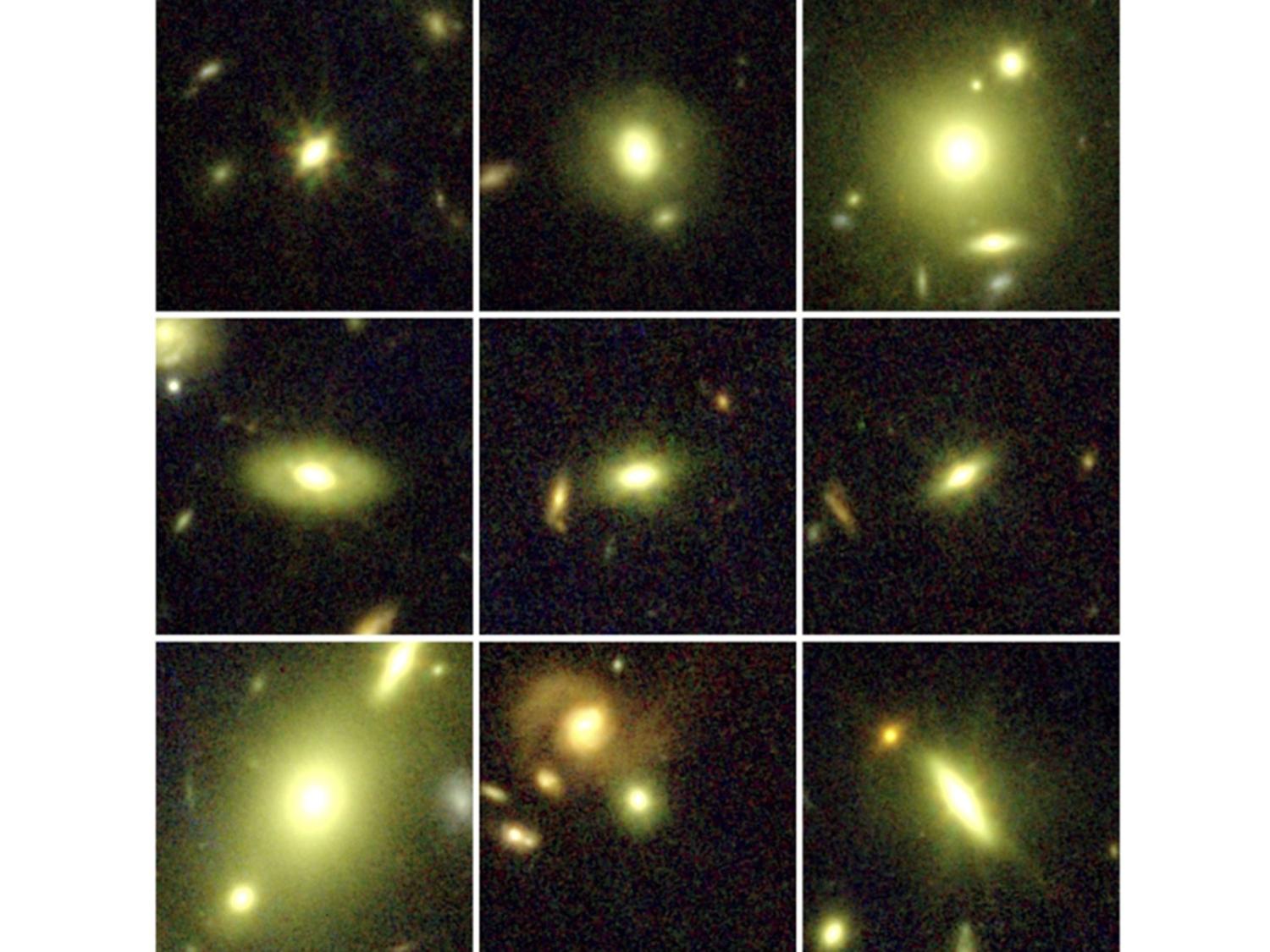
An international team led by Mariska Kriek at Leiden Observatory, with Penn State's Joel Leja and lead author Chloe Cheng, used NASA's James Webb Space Telescope to study nine massive, mature galaxies from the early universe. By splitting the galaxies' light into detailed spectra and combining it with earlier ground-based data from the Very Large Telescope, the team detected large populations of small, faint stars that had gone unnoticed behind brighter ones.
The hidden stars suggest some of these galaxies are three to four times more massive than previous estimates — one may have formed less than 1.5 billion years after the Big Bang. The findings, published in Nature Astronomy, challenge current models of how the first galaxies assembled so much mass so quickly.
Because low-mass stars are known to host many planets, the discovery also hints that the early universe may have produced far more exoplanets than scientists previously assumed.