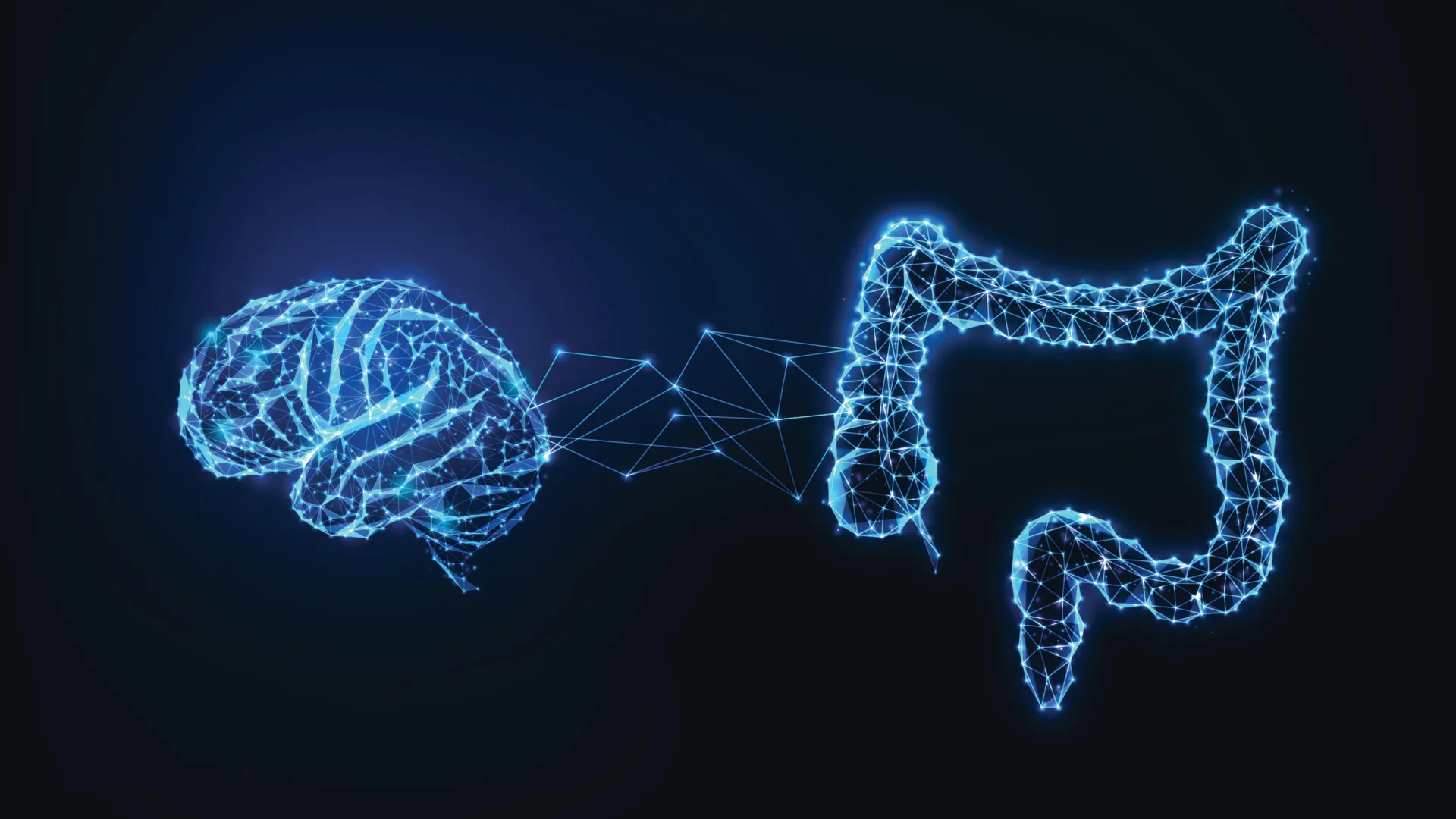
Researchers at USC, working with colleagues from Bucknell University and Universite de Montreal, have identified how the gut helps the brain remember meals. The team, led by professor Scott Kanoski and PhD student Logan Lauer, published the findings in Nature Communications in July 2026.
When rats ate nutrient-rich food, a signal traveled up the vagus nerve -- the main line connecting the digestive system to the brain -- triggering neurons in the medial septum to release acetylcholine into the hippocampus, the brain's memory center. Blocking that vagus nerve signal wiped out the acetylcholine boost and made the rats perform worse on memory tests tied to food location.
Notably, the brain reacted to a food's actual nutritional content rather than its taste: rats given sugary or fatty meals showed strong memory activity, while those given sweet but low-calorie liquids did not. Chronic high-fat, high-sugar diets weakened the gut-hippocampus link over time, and the memory deficit persisted even weeks after the rats returned to healthy eating.
The researchers say the findings could help explain how poor diet contributes to cognitive decline and Alzheimer's disease, and point toward vagus nerve stimulation as a possible way to protect memory function.