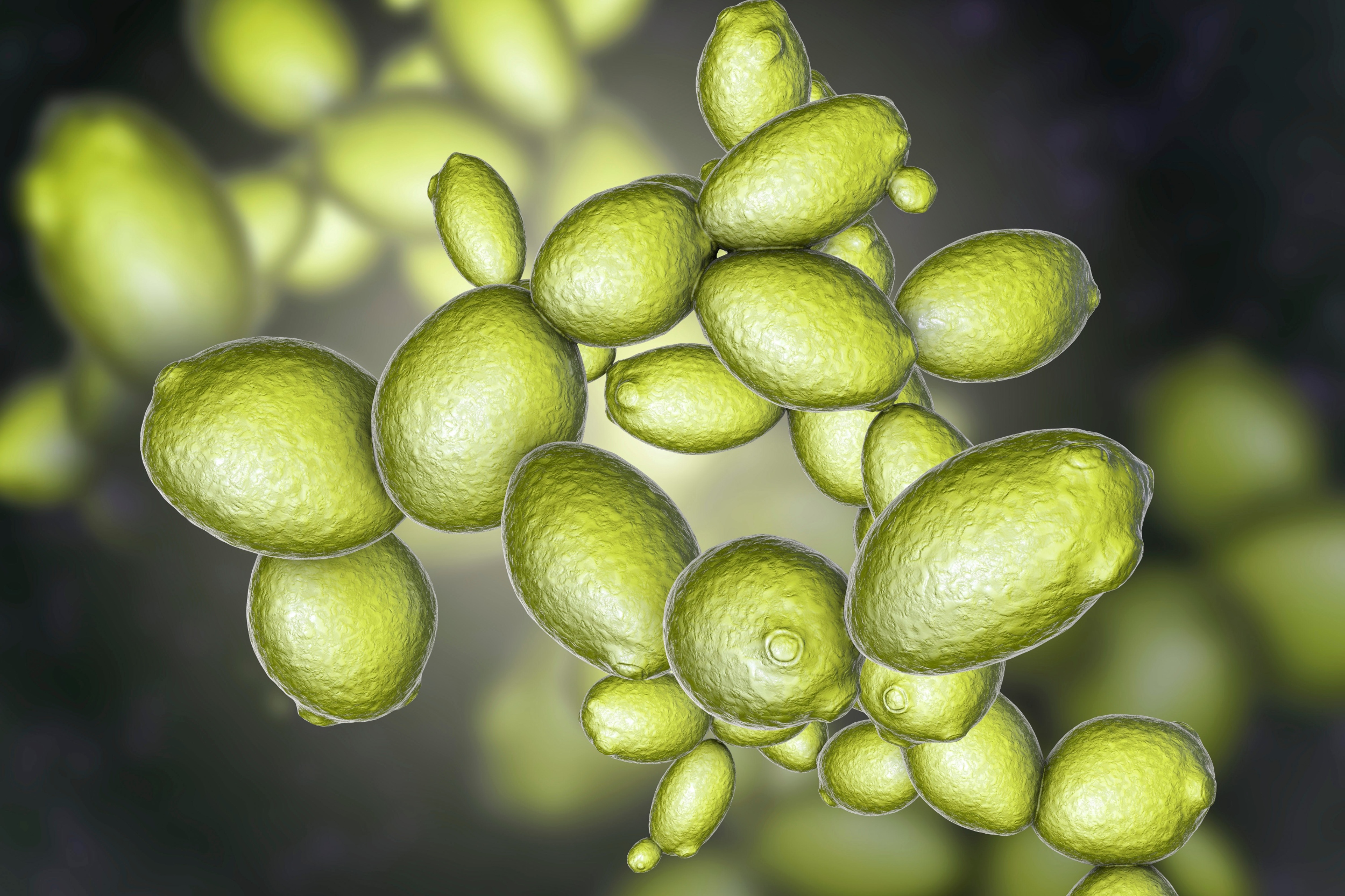
Researchers at the Indian Institute of Science have demonstrated that common yeast cells can survive environmental conditions similar to those on Mars. Using the High-Intensity Shock Tube for Astrochemistry (HISTA) at the Physical Research Laboratory in Ahmedabad, the team blasted yeast with shock waves reaching 5.6 times the speed of sound — comparable to meteorite impacts on the Martian surface — and exposed them to perchlorate salts at concentrations measured in actual Martian soil.
Despite these extreme stresses, the yeast cells remained alive. Their secret lies in forming ribonucleoprotein (RNP) condensates — tiny, membrane-less structures that protect and reorganize mRNA under stress. Shock waves triggered two types of these protective clusters called stress granules and P-bodies, while perchlorate exposure produced P-bodies alone. When these defense mechanisms were disabled, survival rates plummeted.
The findings, published in PNAS Nexus, suggest that simple organisms may possess universal survival strategies that could function beyond Earth. While this does not prove life exists on Mars, it significantly strengthens the case that microbial life could theoretically endure the Red Planet's harsh environment.