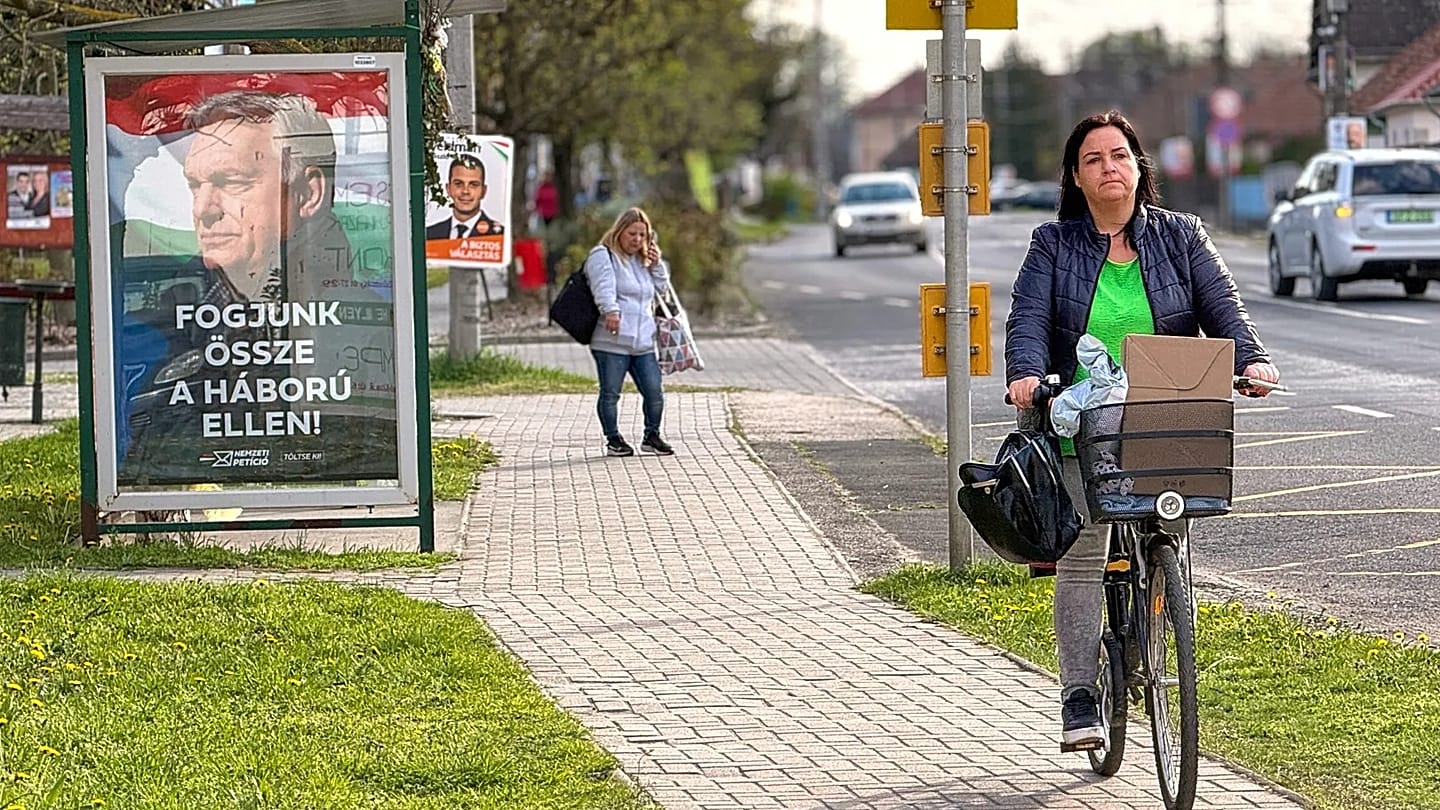
Hungary heads to the polls on April 12 in what could be the most consequential election in a generation. Opposition leader Péter Magyar, who split from the ruling Fidesz party in 2024 after a presidential pardon scandal, now leads most polls with his center-right Tisza Party. A Medián survey puts Tisza at 58% support versus 33% for Fidesz, with projected seat counts of 138–143 for Tisza and just 49–55 for Orbán's party.
The generational divide is stark: 75% of voters under 30 back Magyar compared to just 10% for Fidesz, while voters over 64 still favor Orbán 49% to 29%. Even rural areas, long considered Fidesz strongholds, show Tisza leading 41% to 35%. Orbán himself acknowledged that "winning a two-thirds majority belongs in the realm of miracles."
The stakes extend far beyond Hungary's borders. An opposition victory could unblock a €90 billion EU loan to Ukraine and shift Budapest away from its Russian-friendly foreign policy. However, Hungary's electoral system heavily favors the incumbents — in 2022, Fidesz secured nearly 70% of parliamentary seats despite winning only 54% of the popular vote.