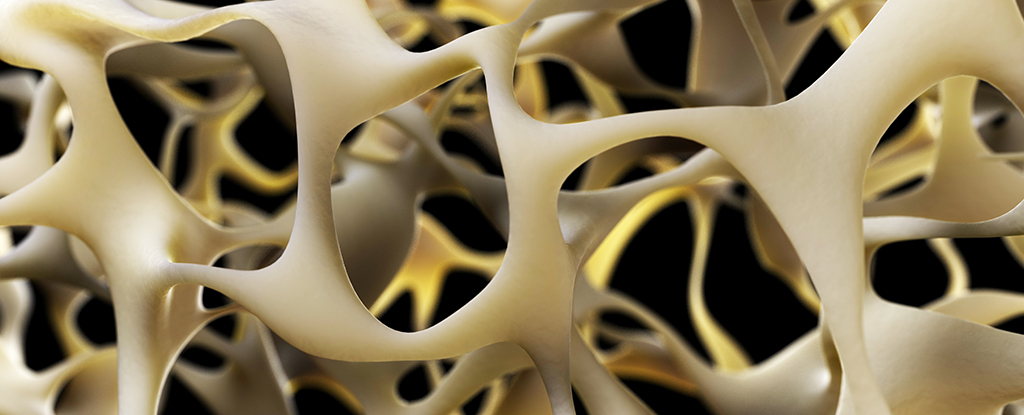
Researchers at Leipzig University have identified a receptor called GPR133 that acts as a powerful switch for bone strength. When activated with a newly discovered compound called AP503, the receptor boosted bone density in both healthy and osteoporotic mice by promoting bone-building cells (osteoblasts) while suppressing bone-degrading cells (osteoclasts).
Lead researcher Professor Ines Liebscher and her team published their findings in Signal Transduction and Targeted Therapy. The compound AP503, identified through computer-assisted screening, works through the cAMP-dependent β-catenin signaling pathway. Earlier research by the same team showed AP503 also improves skeletal muscle strength, suggesting dual benefits for aging populations.
Osteoporosis affects approximately 200 million people worldwide. Current treatments mostly slow bone loss but cannot rebuild weakened bones. The GPR133 approach could become the first therapy that actively reverses bone degradation, particularly for postmenopausal women who are most at risk.