Researchers at Tufts University's School of Engineering have developed a hybrid AI system that combines neural networks with symbolic reasoning, slashing energy consumption by up to 99% while dramatically outperforming conventional approaches. The team, led by Professor Matthias Scheutz, demonstrated that their neuro-symbolic method reduced training time from over 36 hours to just 34 minutes and used only 1% of the energy during training and 5% during operation compared to standard AI models.
In testing on the Tower of Hanoi puzzle, the hybrid system achieved a 95% success rate while traditional models managed only 34%. When faced with unfamiliar puzzle variations, the gap widened further — the neuro-symbolic system solved 78% of novel scenarios while conventional AI models failed entirely. The key innovation lies in pairing statistical pattern matching with rule-based abstract reasoning, allowing the system to generalize far beyond its training data.
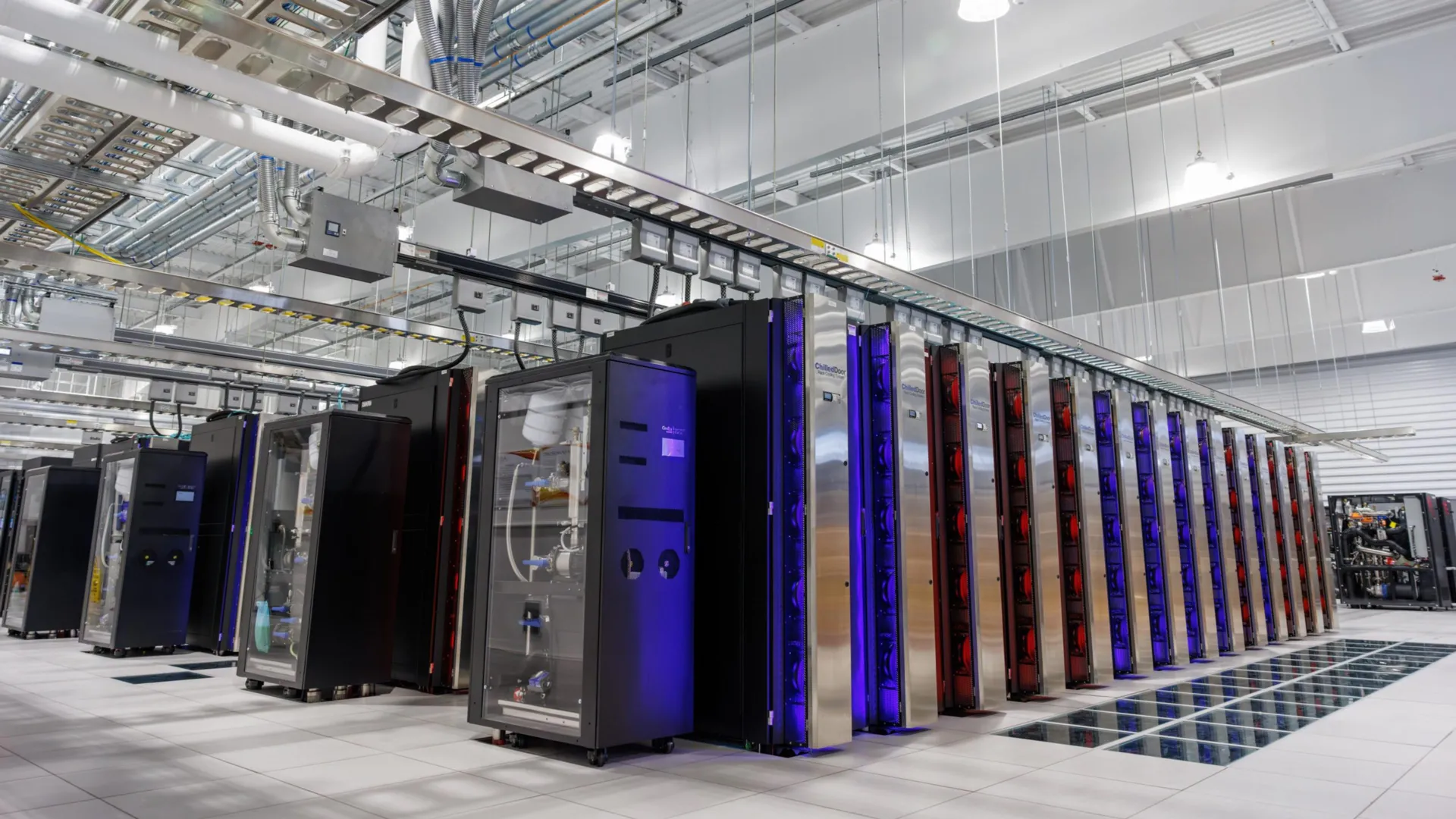
The breakthrough arrives at a critical moment. According to the International Energy Agency, AI systems and data centers consumed roughly 415 terawatt-hours of electricity in 2024, and demand is accelerating. The research will be presented at the International Conference on Robotics and Automation in Vienna in May 2026.