Overview
The Tarsus çatalburun, or Turkish Pointer, is a native hunting dog of Turkey, best known for its forked nose. The name means forked nose. Only a few hundred exist, and no kennel club recognises it.
It is a medium to large, athletic dog, intelligent and obedient, quiet at home and keen in the field.
History
The breed is linked with the town of Tarsus in Mersin Province on the Mediterranean coast, where it has been kept for hundreds of years to hunt upland game.
Its split nose, build and hunting style are shared with the Spanish Pachón Navarro, which suggests a common origin around the eighth century. Which breed came first is still debated.
Appearance
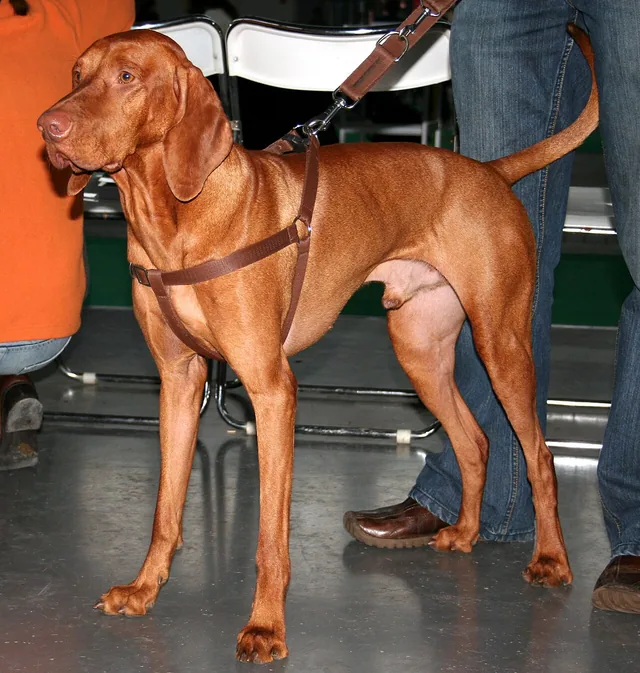
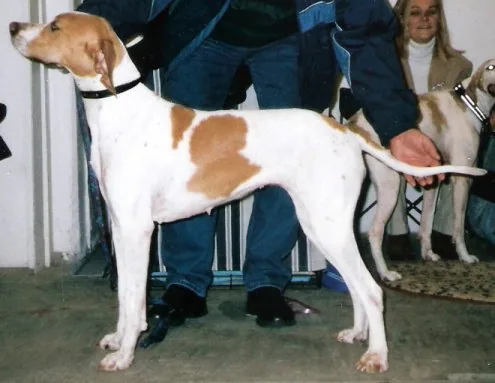
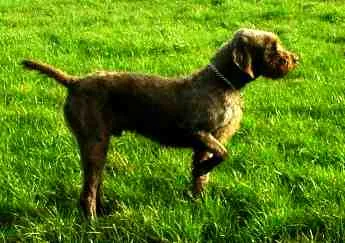
It stands about 48 to 50 cm tall and weighs 20 to 25 kg, with a deep chest, athletic build, drooping ears and long straight tail. The nose is cleft by a deep indentation, so it looks like two noses.
The coat is short and most often brown.
Temperament
Highly intelligent and obedient, the Tarsus çatalburun is calm and quiet in the house but energetic when working. Puppies show pointing ability from about two months old.
Care and exercise
It needs plenty of exercise and mental work, such as scent games or field training. The short coat is easy to maintain with occasional brushing.
Health
Hip dysplasia, allergies and hypothyroidism have been reported.