Overview
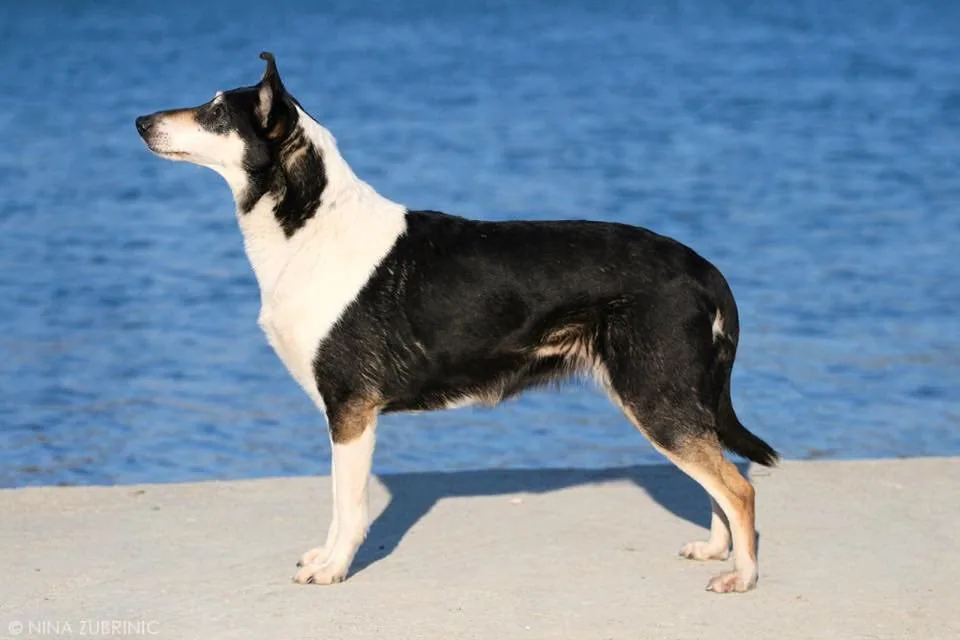
The Smooth Collie is a medium to large, elegant Scottish herding breed with a sweet expression and a short, flat coat. It is closely related to the Rough Collie and in some countries is treated as a variety of the same breed.
It is a sociable, intelligent dog that gets on well with children and other animals, and it makes both a lovely family pet and a capable sports and working dog.
History
The Smooth and Rough Collie share their origins as shepherd dogs of the Scottish Highlands. Their modern history began in the Victorian era, when Queen Victoria took an interest in the dogs she saw at Balmoral and bought some in 1860, which made collies fashionable.
The breed then moved from working farm dog to show and companion dog. A breed society was founded in Britain in 1955, and the FCI accepted the Smooth Collie in 1974. The UK Kennel Club allowed interbreeding of the two coats until 1993.
Appearance
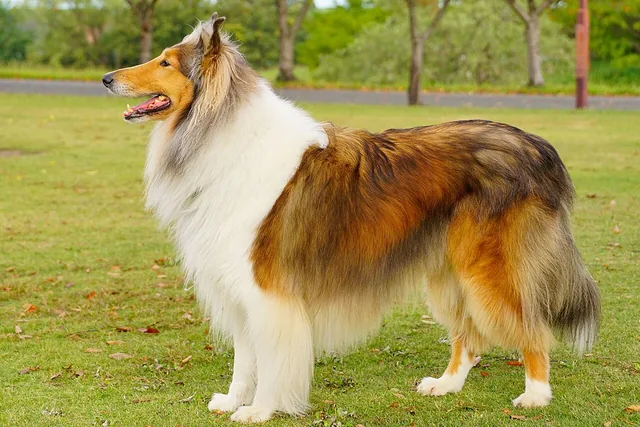
A slightly longer-than-tall dog with a level back and deep chest. Dogs stand about 56 to 61 cm and bitches about 5 cm less. The head is lean with a flat skull, a long muzzle and semi-erect ears, giving the typical sweet expression.
The outer coat is short, flat and harsh with a soft dense undercoat. Colours are sable, tricolour and blue merle, always with white on the chest, neck, legs and tail tip.
Temperament
Smooth Collies are friendly, sensitive and devoted to their people. They are alert and can be vocal, which makes them good watchdogs, though barking should be managed.
They are very intelligent and keen to please, but sensitive to harsh correction, so gentle, positive training works best. They usually get along well with children and other dogs.
Care and exercise
Collies are agile and active, and need regular daily exercise and some mental stimulation, such as obedience, agility, flyball or herding. They are not suited to being left alone for long periods.
The short coat is easy to maintain with weekly brushing, more often during seasonal shedding.
Health
Collie eye anomaly and progressive retinal atrophy are known concerns. Many collies carry the MDR1 gene, which causes dangerous reactions to some drugs such as ivermectin, so genetic testing is advised. Bloat, epilepsy and cyclic neutropenia (grey collie syndrome) also occur.