Overview
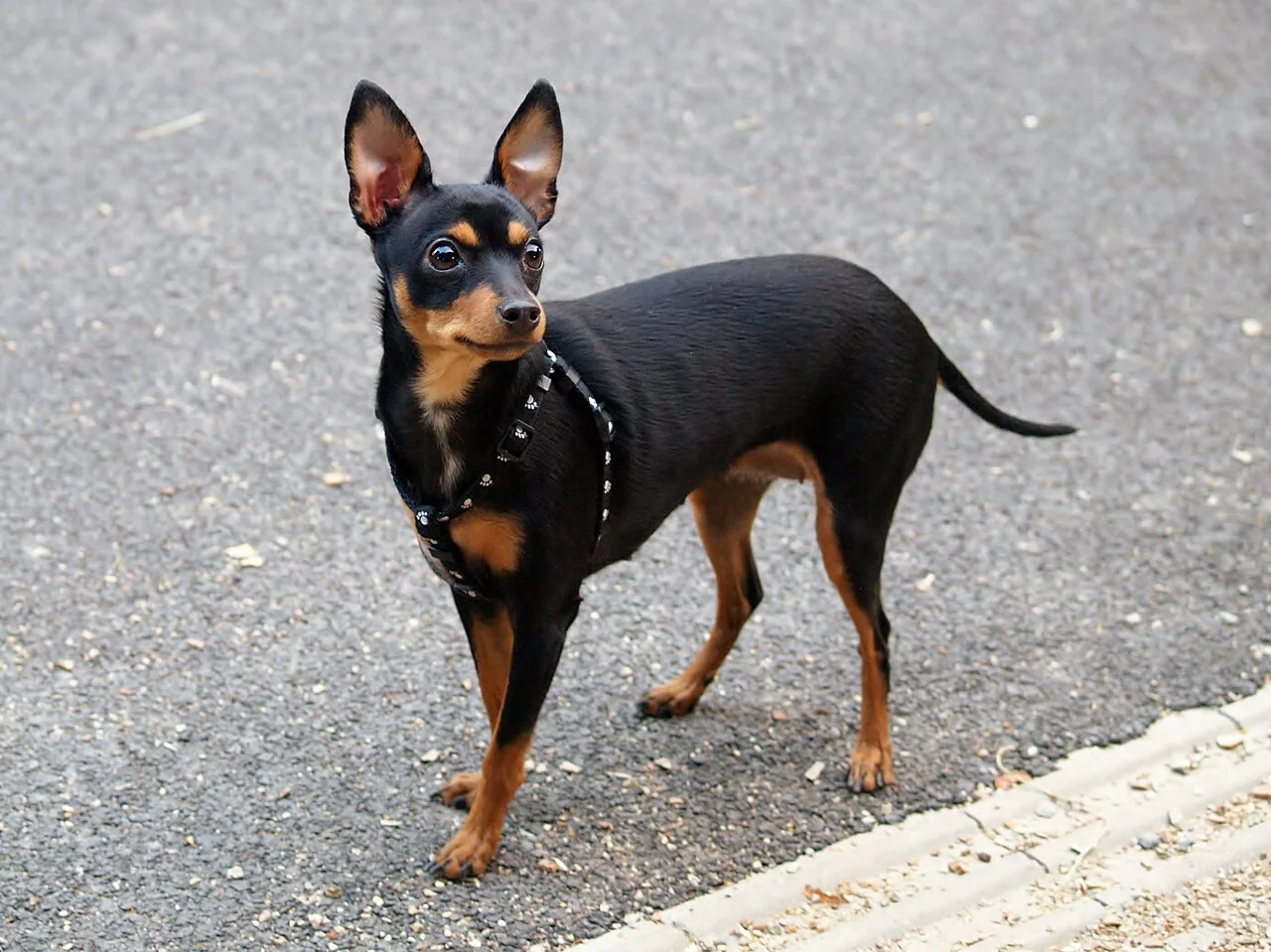
The Prague Ratter is one of the smallest dogs in the world, a lively Czech breed that looks like a cross between a Chihuahua and a Miniature Pinscher. Historically it was a rat catcher and a courtly pet.
Today it is a devoted companion that loves attention, adapts well to flat life and is quieter than many toy breeds. It is still rare outside the Czech Republic and Slovakia.
History
Czech breeders consider ratters among the oldest local dogs, and chronicles mention small ratters at royal courts, including gifts between rulers in the Middle Ages. They worked as rat catchers and were later cherished as pets in noble salons.
The type faded when the Miniature Pinscher became fashionable in the 19th century, and early stud books were lost during the wars and communist era. Breeders revived it from the 1970s, the first dog was registered in 1980, and the FCI recognised the breed in 2019.
Appearance
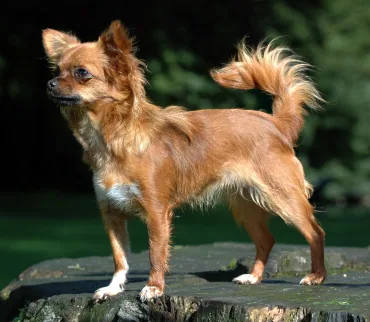
A very small, compact, square-ish dog with a fine build, a pear-shaped head and upright ears. It comes smooth and glossy or with longer fringes on the ears, legs and tail. The classic colour is black and tan, though several others are now accepted.
Temperament
Lively, bright and eager to please, it bonds strongly with its people and loves to sit on a lap after play. It is alert and keeps a strong urge to chase small animals. It can be sensitive to harsh correction and responds best to gentle, reward-based training.
Care and exercise
Short daily walks and games are usually enough, though it enjoys fetch and tricks and can even take part in agility. Brush its coat weekly and brush its teeth often. It feels the cold and is fragile, so handle it gently and keep it warm in winter.
Health
Generally healthy, but dental problems such as tartar and retained baby teeth are common. Small size makes fractures a risk, patellar luxation can occur, and some dogs have digestive upsets.