Overview
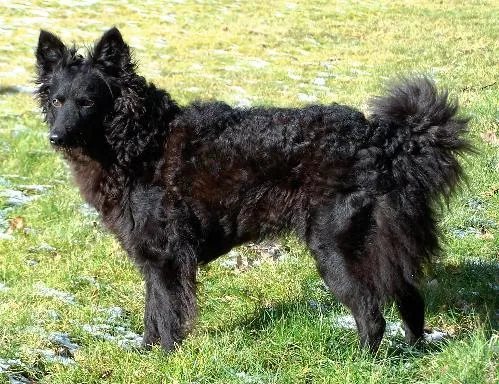
The Mudi is a medium-sized herding dog from Hungary, closely related to the Puli and the Pumi. It is still used for herding and does well in many dog sports.
It is a high-energy, clever dog that thrives with an active owner who enjoys training and outdoor activity.
History
The Mudi was first identified as a distinct breed in 1936 by Dr Dezso Fenyes, and was known as a driver dog. Soon after its recognition the breed nearly disappeared, as many dogs were lost during World War II.
The FCI recognised the Mudi in 1966. The American Kennel Club accepted it in 2022, and it made its Westminster debut that year. The Kennel Club in the UK followed in 2025.
Appearance
The Mudi is a medium-sized dog with a medium-length coat that is wavy to curly. Tail length varies, from natural bobtails to full-length tails.
Adults stand roughly 35 to 47 cm tall and weigh about 8 to 13 kg.
Temperament
Mudis are high-energy, intelligent and eager to work. They bond closely with their families and are alert watchdogs.
They enjoy play and activity, and need plenty of mental and physical outlets to stay balanced.
Care and exercise
A Mudi needs long, brisk daily walks or runs, plus a safe area to run free. It thrives in activities such as agility, obedience, flyball, tracking and herding.
The coat needs regular brushing but is not demanding.
Health
Generally a healthy, long-lived breed. Reputable breeders screen for hip and elbow problems and some inherited eye conditions.