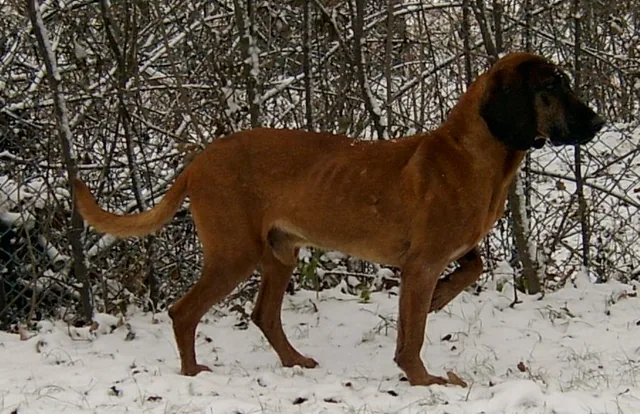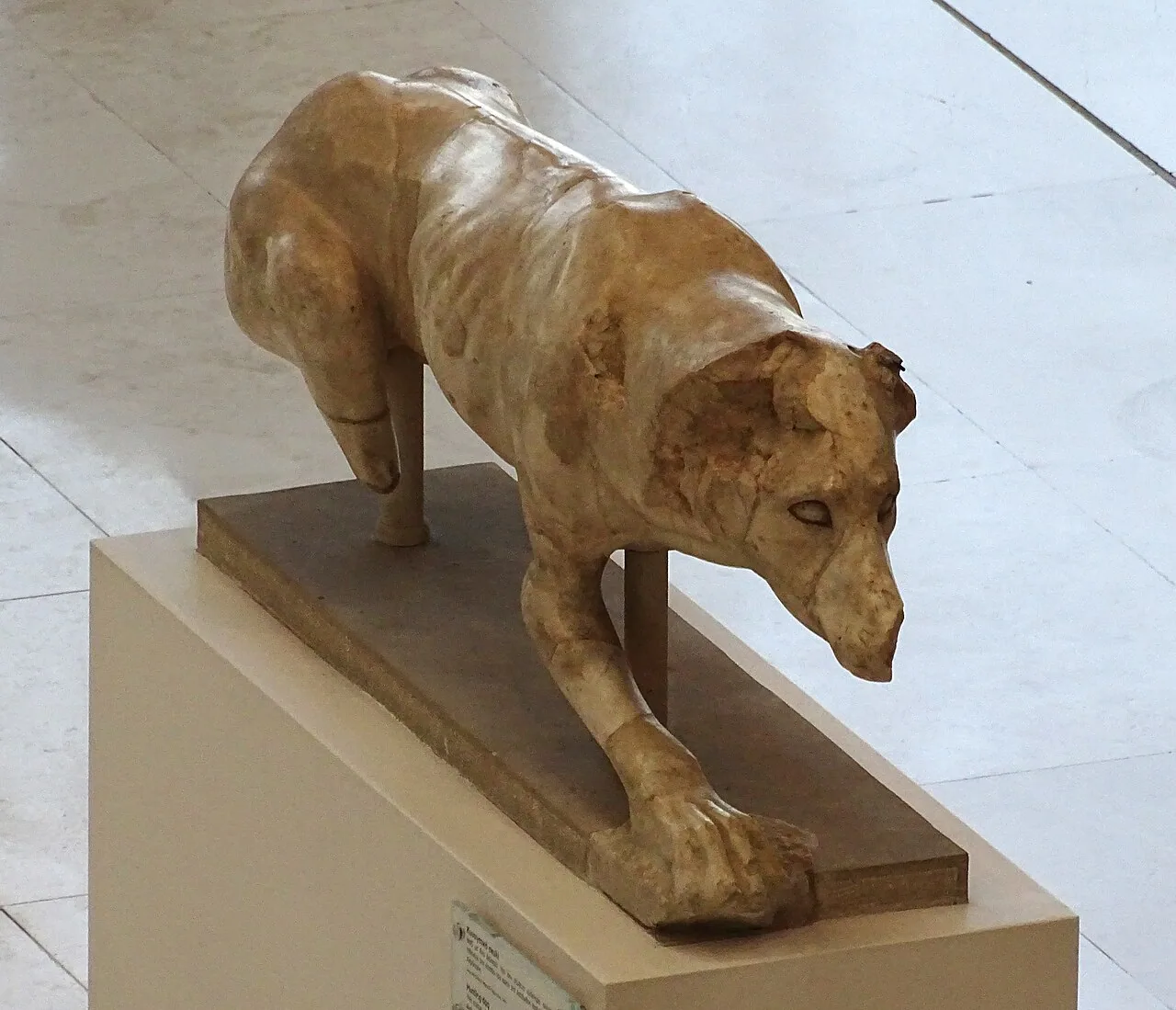
Overview
The Laconian came from Laconia, the region around Sparta in ancient Greece. It was a fast, keen-scented hound used for hunting, and it was famous enough to appear in sculpture, mosaics, coins, vases and the writing of many classical authors.
The breed is long gone, but it left a lasting reputation. Some writers see its blood in later European hounds, and the Hellenic Hound has been suggested as a modern descendant.
History
Greek and Roman authors such as Xenophon and Aristotle described the Laconian in detail, and writers from Pindar to Pliny mention it. It was valued for chasing both large game and hares.
Scholars still debate how it relates to the Castorian and the fox-like Vulpine, which may have been varieties or forerunners. Aristotle claimed the breed came from a dog and fox cross. After the Greek era it lost favour to the greyhound, and it eventually disappeared. Shakespeare's mention of hounds of the Spartan kind kept its name alive.
Appearance
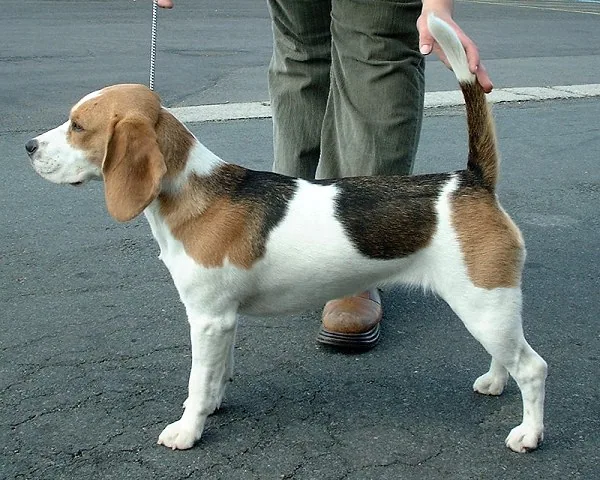
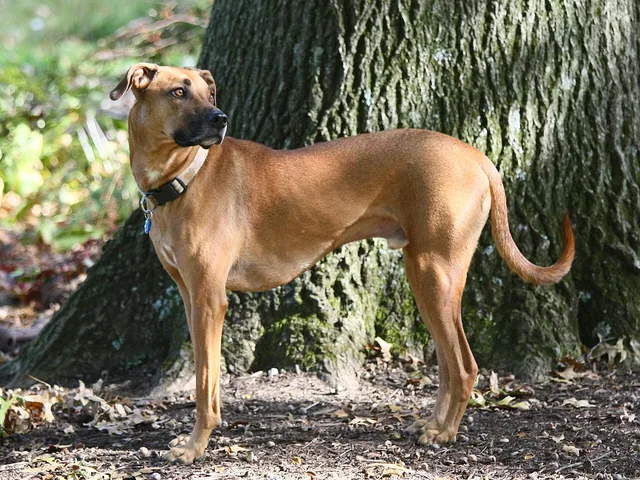
The Laconian stood roughly 45 cm at the shoulder and weighed about 13 to 18 kg, similar to a very large beagle or small harrier. Ancient writers favoured a light head with dark eyes, a long neck, small thin ears, a broad chest and sloping ribs, and a long straight tail.
It was usually tawny with white markings on the face, throat, chest and legs, or black with tan markings in the same places.
Temperament
Ancient accounts focus on working qualities rather than home manners. The Laconian was swift, determined and persistent on a scent, and bred to follow quarry over long distances. It was a hunter first and a companion second.
Care and exercise
The breed no longer exists, so there is no modern care. As a working scent hound it would have needed plenty of daily running, regular hunting work and the company of other hounds, much as modern scent hounds do.