Overview
The English Foxhound is one of the foxhound breeds, a scenthound developed to track and chase foxes by scent. It is built for stamina rather than speed, with strong legs and a sturdy frame.
Bred to live and work in large packs, it is an easygoing, companionable dog. It suits active homes with room to roam rather than a small flat.
History
The English Foxhound has been carefully bred for more than two centuries, and its stud books reach back before 1800. It was shaped by hunts in the British countryside, where packs were kept for following foxes.
During British rule in India, foxhounds were sent out for jackal hunting. They were preferred to greyhounds because their slower pace gave a longer chase, though the heat meant they rarely lived long there.
Appearance
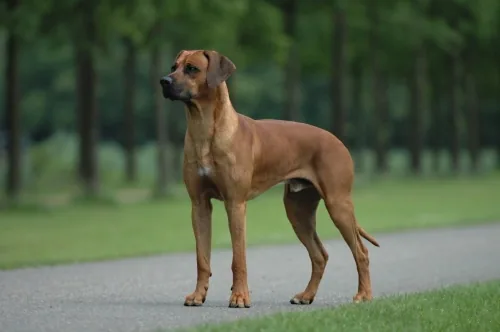
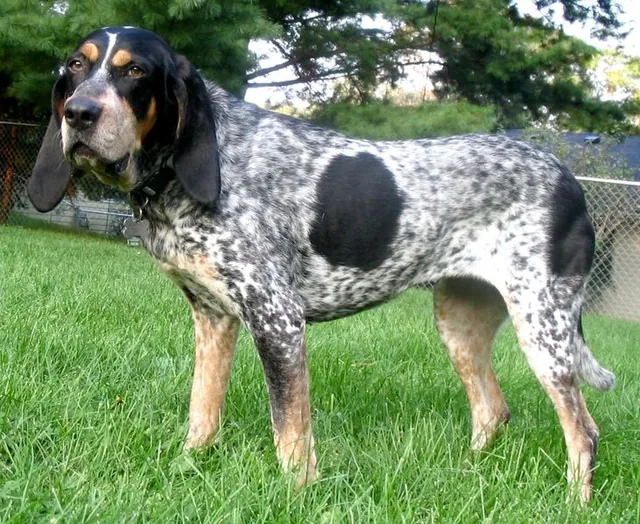
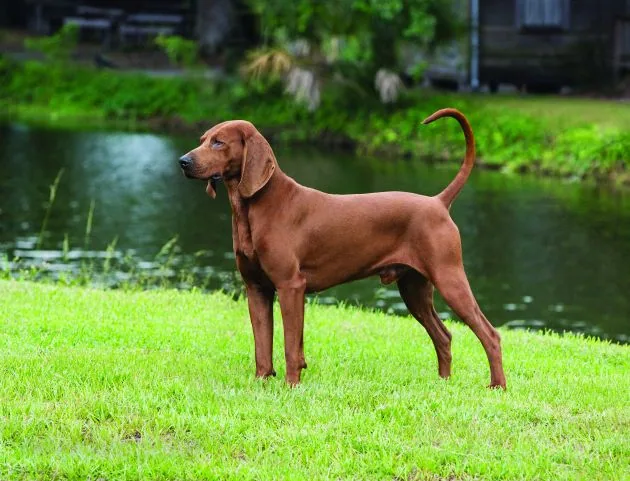
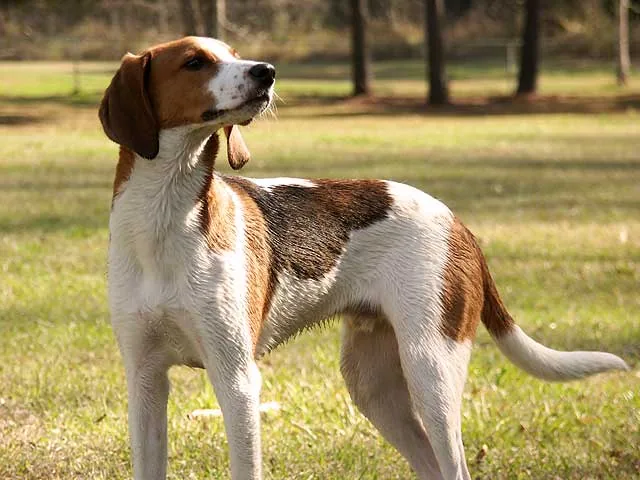
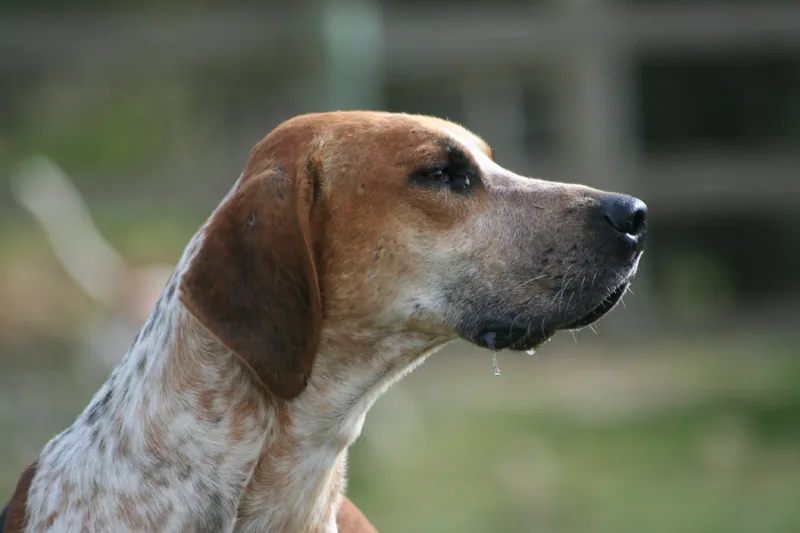
A strong, well-balanced hound standing roughly 51 to 69 cm at the withers by the written standards, though most are around 58 to 64 cm. The skull is broad, the muzzle long, and the legs are straight, muscular and heavy in bone. The feet are round and almost cat-like.
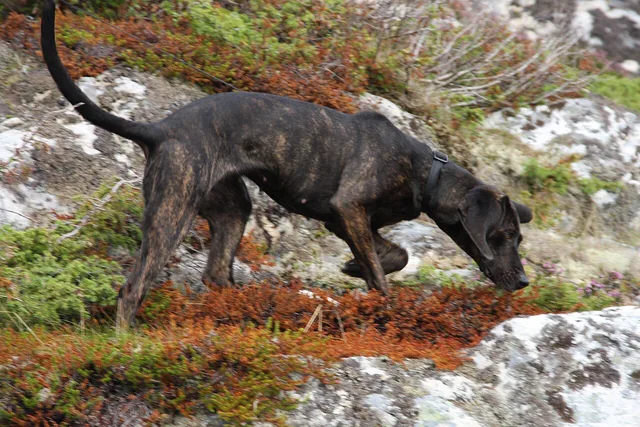
The coat is short and dense, and any recognised hound colour is accepted.
Temperament
Friendly, outgoing and used to the company of other dogs, the English Foxhound is rarely aggressive. It is affectionate with its people and gets on well with children, though its size and exuberance can overwhelm small ones.
It has a strong nose and an independent streak, so it can be slow to obey when a scent is in the air. It also has a loud, carrying voice.
Care and exercise
This is a very active dog that needs long daily runs and plenty of space, ideally with a securely fenced garden. Without enough exercise and company it can become restless and noisy.
Grooming is easy: a weekly brush with a hound glove removes loose hair. Recall training and secure fencing matter because it will follow a scent a long way.
Health
Generally a robust breed. Hip dysplasia, ear infections because of the drop ears, and some orthopaedic problems can occur. Choose breeders who health-test their dogs.