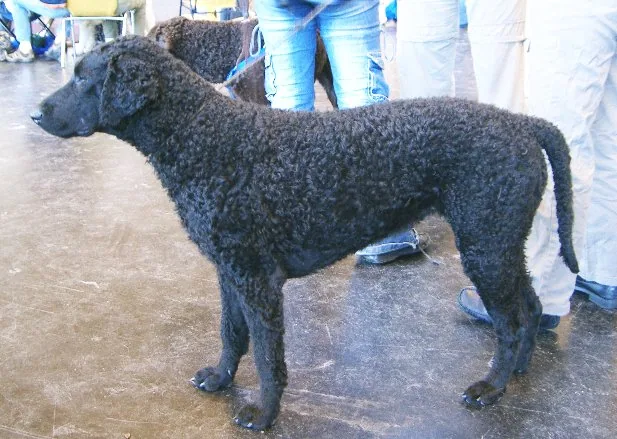
Curly-coated Retriever
Photo: Unknown author, CC BY-SA 3.0, via Wikimedia Commons

Curly-coated Retriever

Also known as Curly

Retriever & Water Dog Large United Kingdom

The tallest of the retrievers, the Curly-coated Retriever is an athletic English gundog covered in tight, water-repellent curls, in solid black or liver.

Height
58–69 cm
Weight
27–36 kg
Life expectancy
10–12 years
Origin
United Kingdom
Coat
Dense, tight, crisp curls over the body
FCI
Group 8, standard no. 110
  • Confident
  • Intelligent
  • Active
  • Loyal
  • Independent

At a glance

Overview

The Curly-coated Retriever is an English gundog bred for upland bird and waterfowl hunting. It is easy to recognise by the mass of tight curls over its body and its somewhat leggy, elegant outline.

It is one of the oldest retriever breeds, and still works as a hunting companion in many countries.

History

The Curly-coated Retriever and the Wavy-coated Retriever, now known as the Flat-coated Retriever, were the first two retriever breeds recognised, as early as 1860. The Curly was developed in England as a gamekeeper's gun dog, and its build and temperament still reflect that job.

It is still used for bird hunting in many countries, in both upland and waterfowl work.

Appearance

The Curly is an active, well-muscled dog that looks slightly leggy but is a little longer than tall. It is balanced and agile, with an air of endurance, strength and grace. Show dogs stand about 64 to 69 cm for males and 58 to 64 cm for females, with field-bred dogs often smaller.

The coat is made up of tight, crisp curls that repel water and burrs. Only solid black and solid liver are accepted, with a fully pigmented nose to match.

Temperament

Curlies are known as confident, intelligent and independent dogs, often more reserved than other retrievers. They are loyal to their family and can be wary with strangers.

They are soft-mouthed and handle game with care, and they tend to stay playful and energetic well into adulthood.

Care and exercise

The Curly needs generous daily exercise and enjoys swimming, retrieving and field work. Training is best started early, with kind and consistent methods.

The coat needs less brushing than it looks, as heavy brushing makes the curls frizzy. Regular checks of the ears and a bath when needed are usually enough.

Health

A 2024 UK study found a life expectancy of about 12.2 years for the breed.
More retriever & water dog breeds

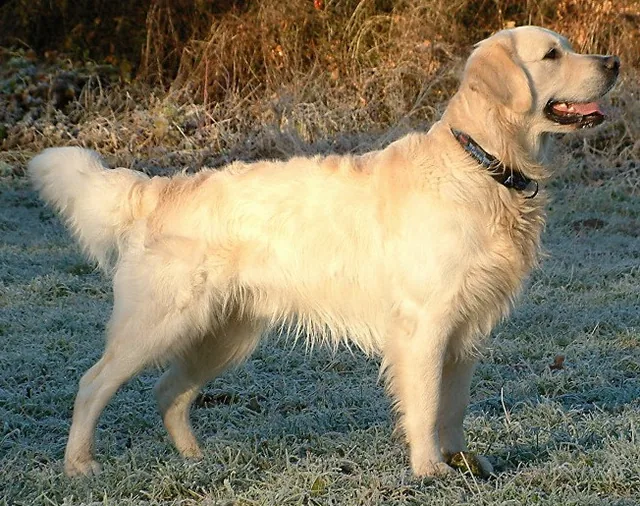
Golden Retriever

Golden Retriever

Retriever & Water Dog

A gentle, devoted Scottish retriever with a lustrous golden coat. Eager to please and wonderful with families, it also excels as a gundog, guide dog and therapy dog.

Large Scotland 10–12 years
Labrador Retriever

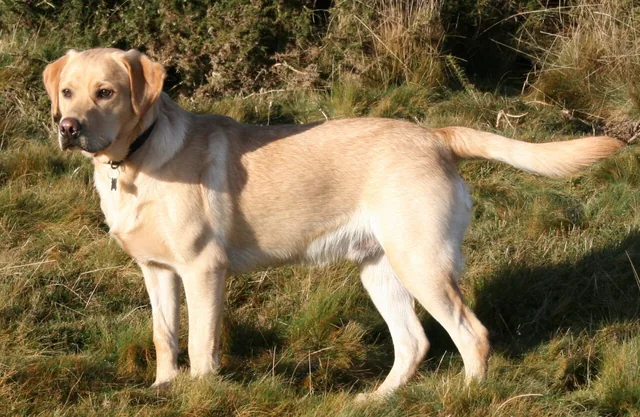
Labrador Retriever

Retriever & Water Dog

A friendly, energetic British gundog developed from Newfoundland water dogs. Smart and eager to please, it is a top family pet and a leading guide and assistance dog.

Large United Kingdom 10–13 years
Flat-coated Retriever

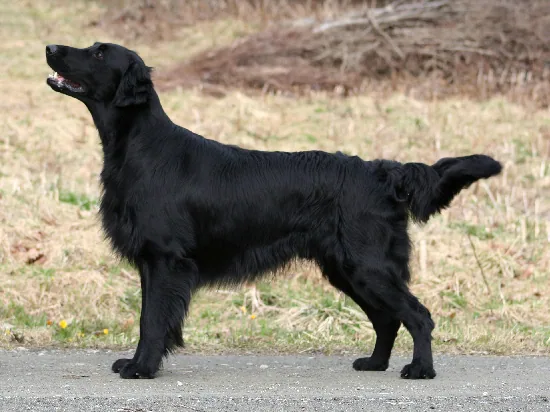
Flat-coated Retriever

Retriever & Water Dog

A glossy, black or liver English gun dog known as the Peter Pan of retrievers because it never quite grows up. Exuberant and affectionate, it needs lots of activity.

Large United Kingdom 8–12 years
Clumber Spaniel

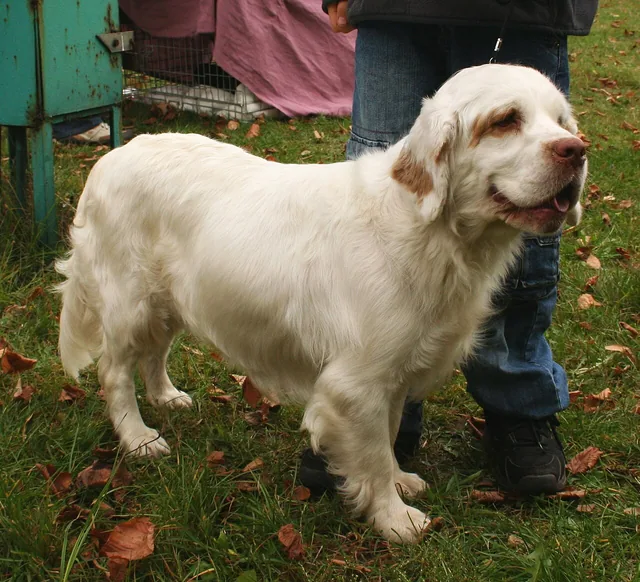
Clumber Spaniel

Retriever & Water Dog

The largest spaniel, a heavy, white, dignified dog with a mournful expression. Calm and affectionate with family, it is a quiet worker in dense cover and a relaxed companion at home.

Large England 11–12 years
Chesapeake Bay Retriever

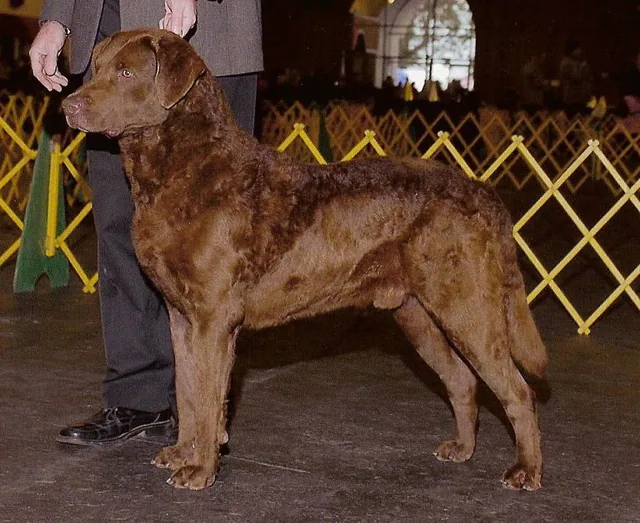
Chesapeake Bay Retriever

Retriever & Water Dog

A tough, water-loving retriever from Maryland's Chesapeake Bay with a waterproof wavy coat and amber eyes. The Chessie is courageous, intelligent and devoted, with a strong will of its own.

Large United States 9–13 years
Irish Water Spaniel

Irish Water Spaniel

Retriever & Water Dog

The tallest of the spaniels, the Irish Water Spaniel is a curly-coated, webbed-footed swimmer with a smooth rat tail and a famously comical streak. It is a rare, versatile gundog and an enthusiastic companion.

Large Ireland 10–12 years