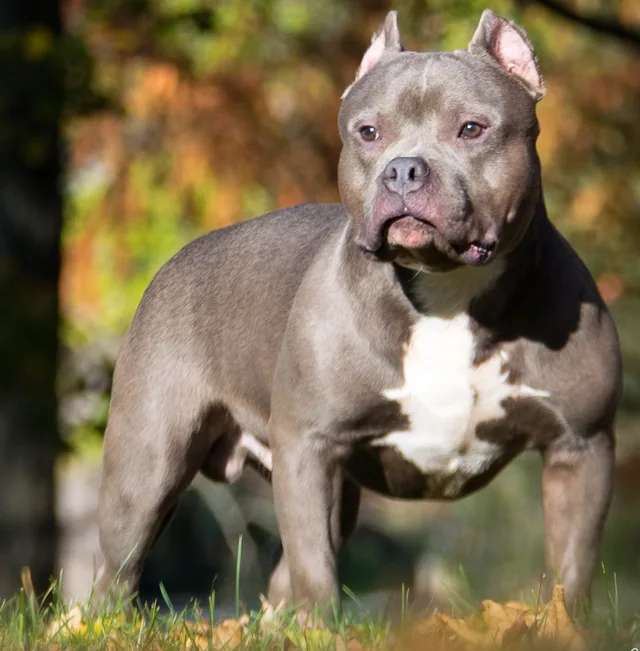
Overview
The Bulldog is a medium-sized, heavily built dog with a large head, deep skin folds and a famously flat face. Its look has made it a national symbol of courage in Britain.
Despite the fierce image, the modern Bulldog is a friendly, calm family companion. Its appealing nature comes with real health needs, so future owners should be well prepared.
History
The Bulldog descends from the Old English Bulldog, used for bull-baiting until the sport was banned in England in 1835. With that purpose gone, breeders turned the dog into a companion, selecting for a gentler temperament and a distinctive look.
The first Bulldog clubs formed in the 1860s and 1870s, and a standard was published in 1875. The Bulldog Club, founded in 1878 after the third attempt, is considered the world's oldest single-breed club. The breed was recognised by the American Kennel Club in 1886.
Appearance
The Bulldog has a wide head and shoulders, thick folds on the brow, a short muzzle with a nose roll, drooping lips and an underbite with an upturned jaw. The eyes are round, dark and wide-set.
The body is compact and muscular, and the short tail hangs straight or is tucked in a corkscrew. Dogs weigh about 25 kg and females slightly less.
Temperament
Bulldogs are known for being kind, dignified and patient. They are generally good with children, other dogs and other pets, and they love being close to their people.
They are not especially active and enjoy lounging, though they can be stubborn when training. Short sessions with plenty of rewards work best.
Care and exercise
Exercise needs are modest, with short, gentle walks in cool parts of the day. Bulldogs overheat easily, so avoid heat and strenuous activity and never leave them in a warm car.
Wipe facial folds regularly to prevent infection, brush the short coat weekly and keep weight under control. Many airlines refuse to carry the breed in the cargo hold.
Health
The flat face causes breathing problems and heat sensitivity. Hip dysplasia, kneecap problems, skin fold infections, allergies and heart disease are common. Most litters are born by Caesarean section. Choose a breeder who prioritises health, and expect veterinary costs to be higher than average.