Overview
The Artois Hound is a muscular, medium-sized scenthound from northern France, built for working in packs. It is a rare breed today, though it was well known in France before the twentieth century.
Its story is one of near loss and careful rebuilding. Modern Artois hounds are bred to look like the historical dogs, and the breed is recognised by the FCI and the United Kennel Club.
History
The Artois comes from the Artois region of northern France. A mention of little dogs of Artois appears as early as 1609, and the breed became a favourite for hunting hare and other game.
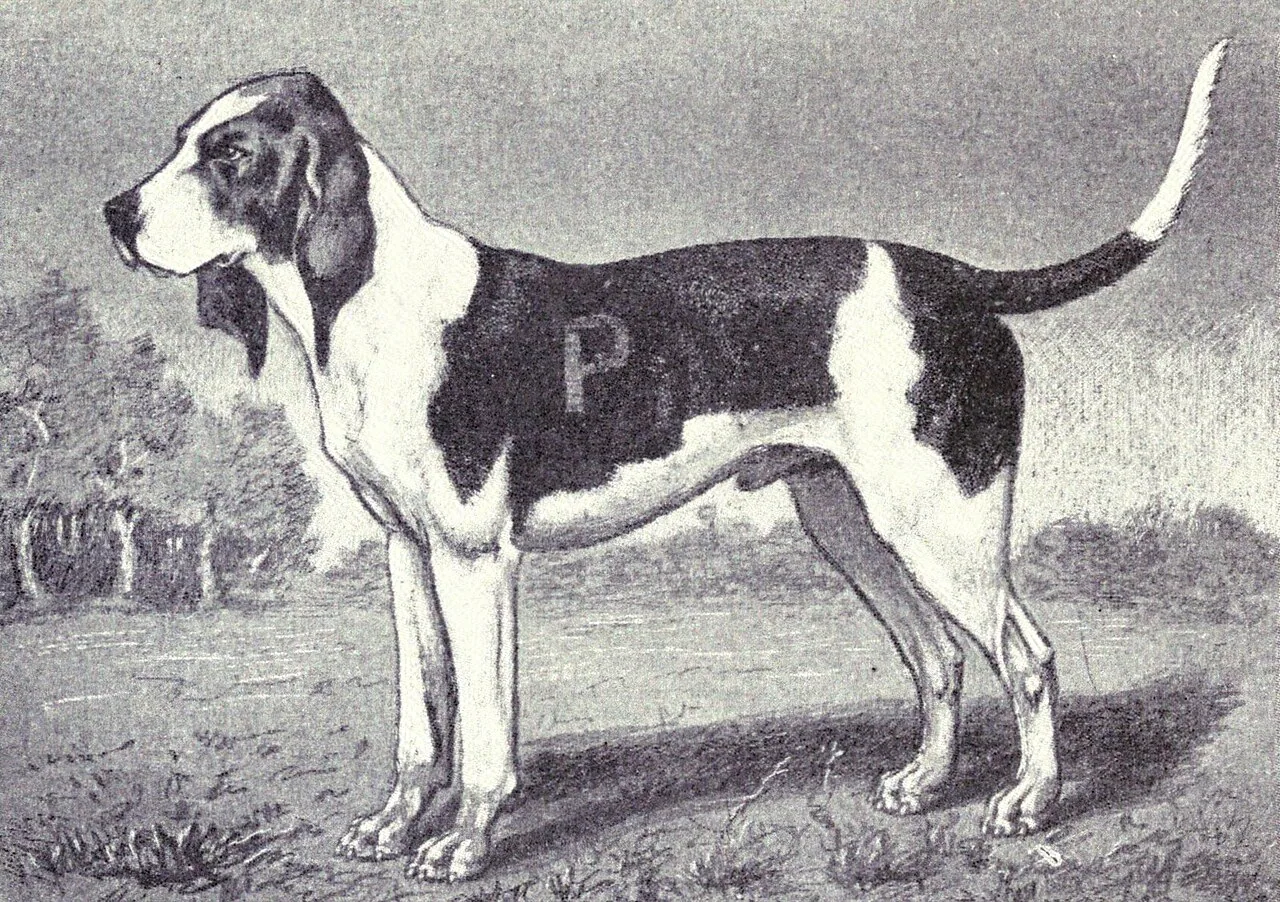
During the nineteenth century it was widely crossed with British hounds, and pure dogs became hard to find. The Second World War nearly finished the breed. In the 1970s a few enthusiasts rebuilt it from the remaining dogs, including some from the Prince de Conde's kennel, and the modern dog closely resembles the original.
Appearance
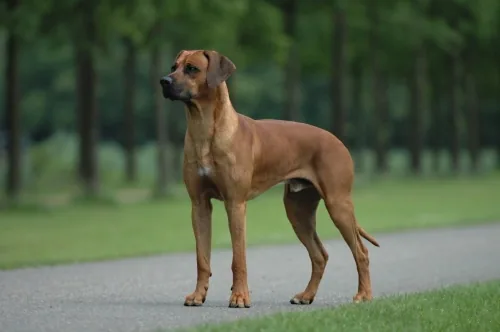
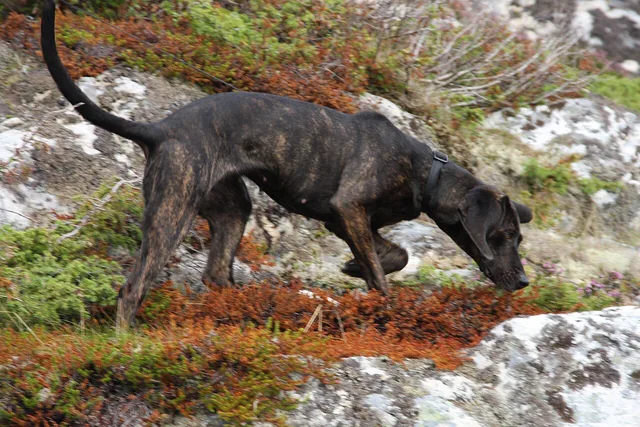
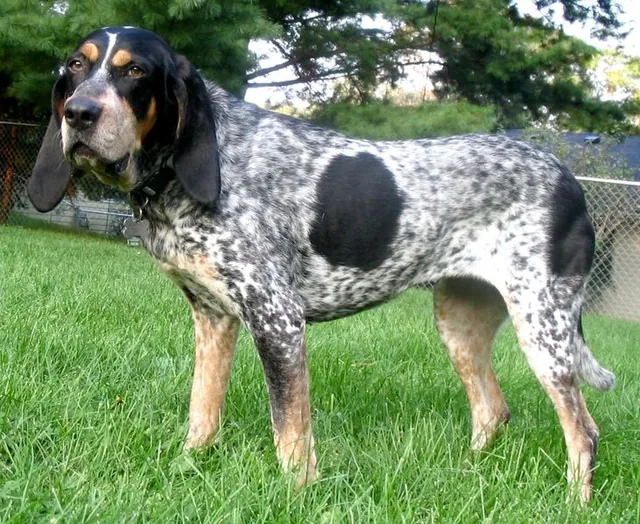
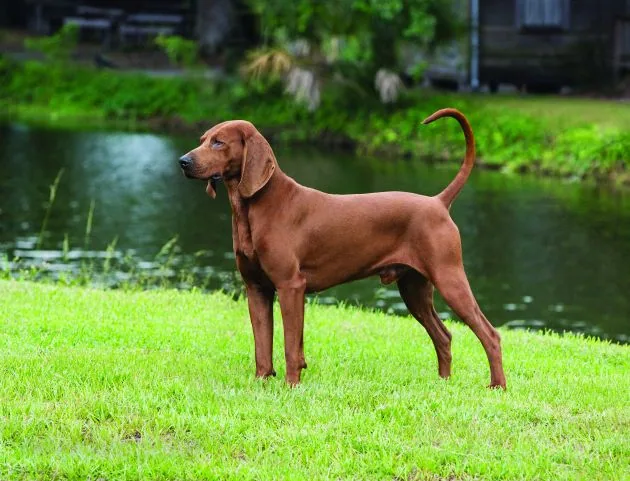
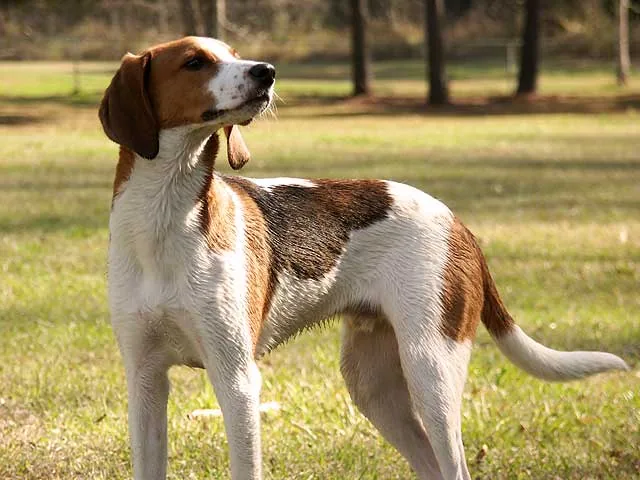
The Artois is a sturdy, muscular hound standing about 53 to 58 cm tall and weighing roughly 28 to 30 kg. It has a square muzzle, long low-hanging ears and a long tail carried in a sickle curve.
The coat is short and usually a dark fawn tricolour, often compared to the shade of a hare or badger.
Temperament
A true pack hound, the Artois has a strong pack instinct and gets on best with company, both canine and human. It is driven and tenacious on a trail and has the loud, musical bark typical of scenthounds.
It is best suited to an active home with experience of hounds rather than a quiet flat.
Care and exercise
This hunting hound needs plenty of daily exercise and a secure garden, as its nose can lead it far afield. Early socialisation and patient, consistent training help manage its independence.
The short coat needs only a weekly brush, with regular checks of the long ears to keep them clean and dry.
Health
The breed is rare and little studied. As with other long-eared, deep-chested hounds, ear infections and bloat are worth watching for.