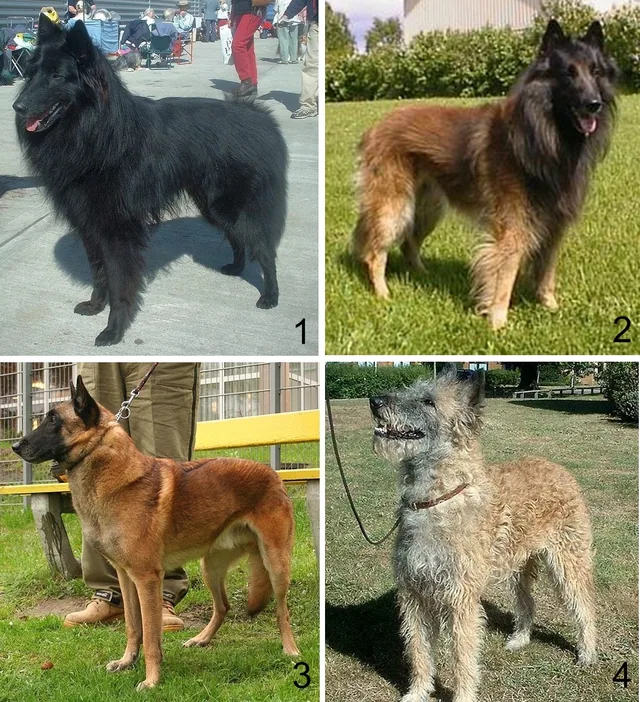
Overview
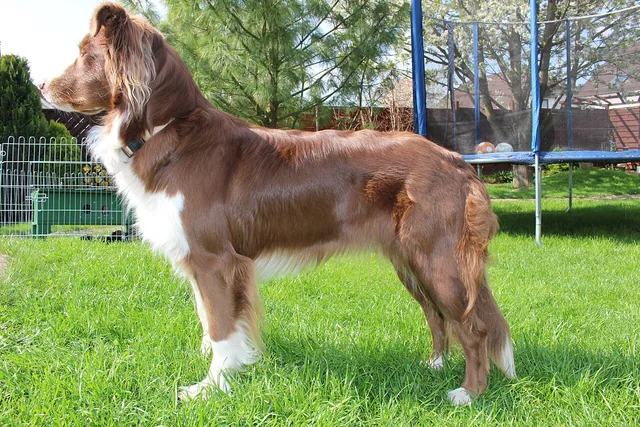
The Armant is a medium-sized herding and guard dog from Egypt, used widely there with sheep and as a property guardian. It has a thick, rough coat and a sturdy, rectangular body.
It is little known outside Egypt, and crossbreeding has made pure Armants scarce, so a breed club and the national kennel federation are working to preserve it.
History
Its origins are disputed. One theory says it descends from Briards brought by Napoleon's army, another credits dogs brought by Russian travellers, but neither has solid evidence. Egyptian breed authorities see it as entirely African, perhaps linked to North African village dogs.
It is named after the town of Armant and is also called the Hawara dog after the Hawwara tribes that kept it with their livestock. Interbreeding put it at risk, and the Egyptian Armant Herding Club now searches for and protects purebred dogs.
Appearance
A medium-sized dog, slightly longer than tall, with a rough, shaggy coat. Females stand about 45 to 55 cm and males 50 to 60 cm. Colours include black, black and white, grizzled and light brown. The tail is never docked, and some dogs are born with a natural bobtail.
Temperament
Armants are brave, clever and loyal to their owners, but cautious with strangers. They defend their flock fiercely, which earned them the local name Sabe, meaning lion. They suit experienced owners who value a serious working guardian.
Care and exercise
This is a working dog that needs space, daily activity and a role such as herding or guarding. Early socialisation and firm, fair training help manage its wariness of strangers. The shaggy coat needs regular brushing, especially in shedding periods, and a little more in damp or dusty conditions.
Health
No breed-specific health problems are well documented. Its main threat is loss of purebred stock through crossbreeding rather than disease.