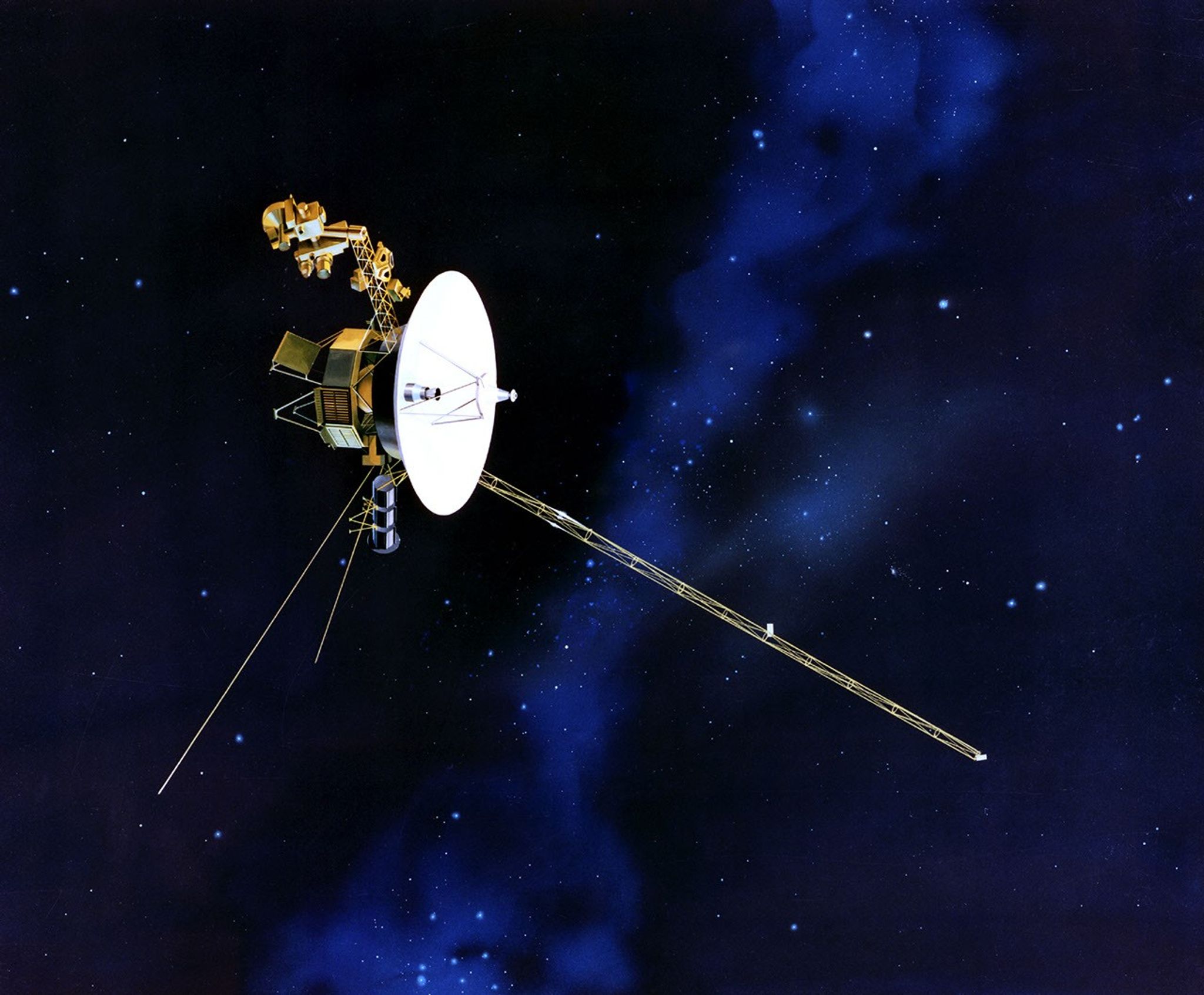
NASA engineers have pulled off a power-saving maneuver nicknamed the "Big Bang" to keep Voyager 2 running through at least the end of 2027, buying the 49-year-old interstellar probe extra time before its plutonium-fueled batteries force another instrument shutdown.
Both Voyager spacecraft run on radioisotope thermoelectric generators that convert heat from decaying plutonium into electricity, losing about 4 watts of available power every year. The Big Bang operation simultaneously switched off two heaters and an old tape recorder, replacing them with lower-power alternatives while keeping the spacecraft's systems within safe operating temperatures. Without it, mission planners would have had to power down one of Voyager 2's three remaining science instruments before year's end.
The team at NASA's Jet Propulsion Laboratory now plans to run the same power swap on Voyager 1, which is farther from Earth and takes even longer to command, with completion targeted for the coming months. Commands to both probes take nearly a full day to arrive and another day for confirmation to return.