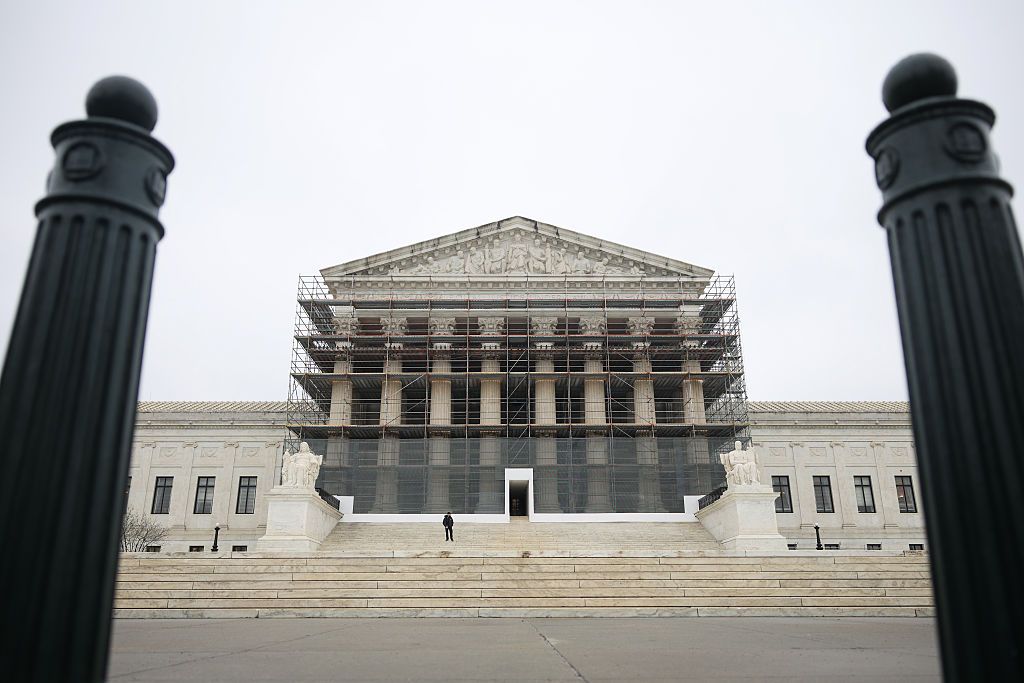
The U.S. Supreme Court handed President Trump two sweeping 6-3 immigration victories on June 25, ruling that asylum seekers must physically enter the United States before they can apply for protection, and that the administration may cancel Temporary Protected Status (TPS) for countries including Syria and Haiti. The decisions remove key legal barriers to deportations and sharply limit the role courts can play in reviewing immigration policy.
In Mullin v. Al Otro Lado, Justice Alito wrote for the majority that "a person arrives in a destination only when he enters it," upholding the so-called "metering" policy that allows border officials to turn away migrants waiting at official ports of entry before they set foot on U.S. soil. In dissent, Justice Sotomayor warned that "more people will die" and that the ruling creates a perverse incentive to cross the border illegally rather than through lawful channels.
The TPS ruling is set to affect roughly 1.3 million people currently protected across 17 countries, with citizens of Syria and Haiti among the first facing potential loss of status. Both decisions were immediately celebrated by the Department of Homeland Security, while immigration advocates vowed to fight the consequences in Congress.